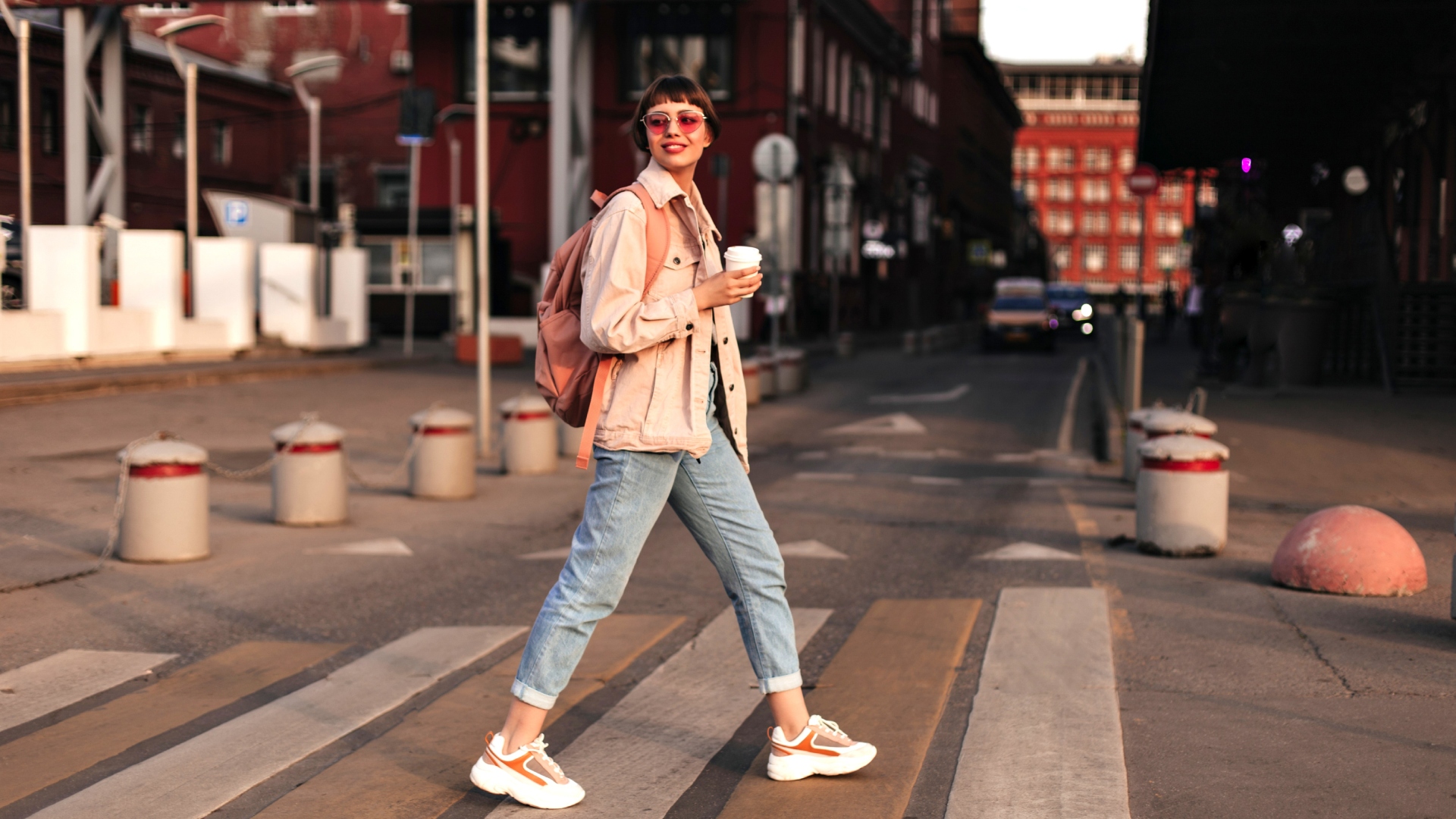
Have you ever noticed those people who hurry down the street as if an invisible countdown has just begun? Perhaps you're one of them, without even realizing it. According to several psychologists , this brisk pace isn't just a matter of a busy schedule: it often reveals a much deeper temperament and emotional state. Walking fast is anything but insignificant.
A go-getter profile, combining energy and an obsession with the goal.
According to specialists like psychologist Leticia Martin Enjuto, fast walkers often belong to the category of dynamic, determined, and action-oriented people. You might recognize this profile: you like to get straight to the point, you can't stand inefficiency, and moving quickly gives you a feeling of being in control of your day.
These people are not lacking in confidence or determination. They often have a proactive mindset, an ease in making decisions, and a deeply ingrained habit of optimizing every minute. Their steady pace is not just a matter of getting around; it reflects a way of living their lives.
This confident demeanor can also conceal another side. When slowing down becomes uncomfortable, when a simple setback triggers a touch of irritation, it can betray a certain difficulty in settling down, in accepting the uncertainties or the moments when nothing truly progresses. This constant impatience, even if it stems from a vibrant and determined personality, can sometimes reflect a deeper inner tension.
When speed becomes a refuge: the reassuring illusion of "always doing"
Walking briskly can also be an escape. A way to transform stress into movement. An unconscious strategy to avoid being alone with one's thoughts or emotions for too long.
Psychologists speak of "doing addiction": this almost compulsive need to string together actions to feel valid, useful, and alive. In this context, productivity becomes a form of personal value. The body speeds up to keep up with the mental pace, to dissipate the pressure that accumulates without us even realizing it.
Psychologist Richard Wiseman observed, through a study conducted in several major cities, that the increase in walking speed over the years is accompanied by a significant rise in signs of everyday nervousness. In other words: our world is moving faster, and our steps are keeping pace, sometimes at the expense of our emotional well-being.
Slowing down to live better: a power that is too often underestimated
Slowing down isn't about wasting time. It's about regaining control of your internal rhythm, rebalancing your body and mind, and questioning the modern imperative to be constantly productive. Walking slowly then becomes a true act of self-affirmation, a way to reclaim your inner space.
By choosing to slow your pace, you naturally create a pause. You give your mind the opportunity to breathe, to perceive your surroundings, to feel your body, and to reconnect with the present moment. This simple gesture can help you better manage your anxiety, calm your nervous system, and strengthen your sense of stability.
This is certainly not about denying your energy or your go-getter personality. On the contrary: by learning to modulate your pace, you make more room for your resources, your clarity of thought, and your emotional well-being. You become able to choose when to accelerate, rather than being swept along against your will by a speed that overwhelms you.
The next time you see someone walking fast, remember that this determined gait can mask a multitude of emotional nuances. And if you recognize yourself in this description, perhaps it's time to ask yourself not where you're going so fast, but how you want to move forward. Your walking pace tells a story: you have the power to write the rest of it in your own way.