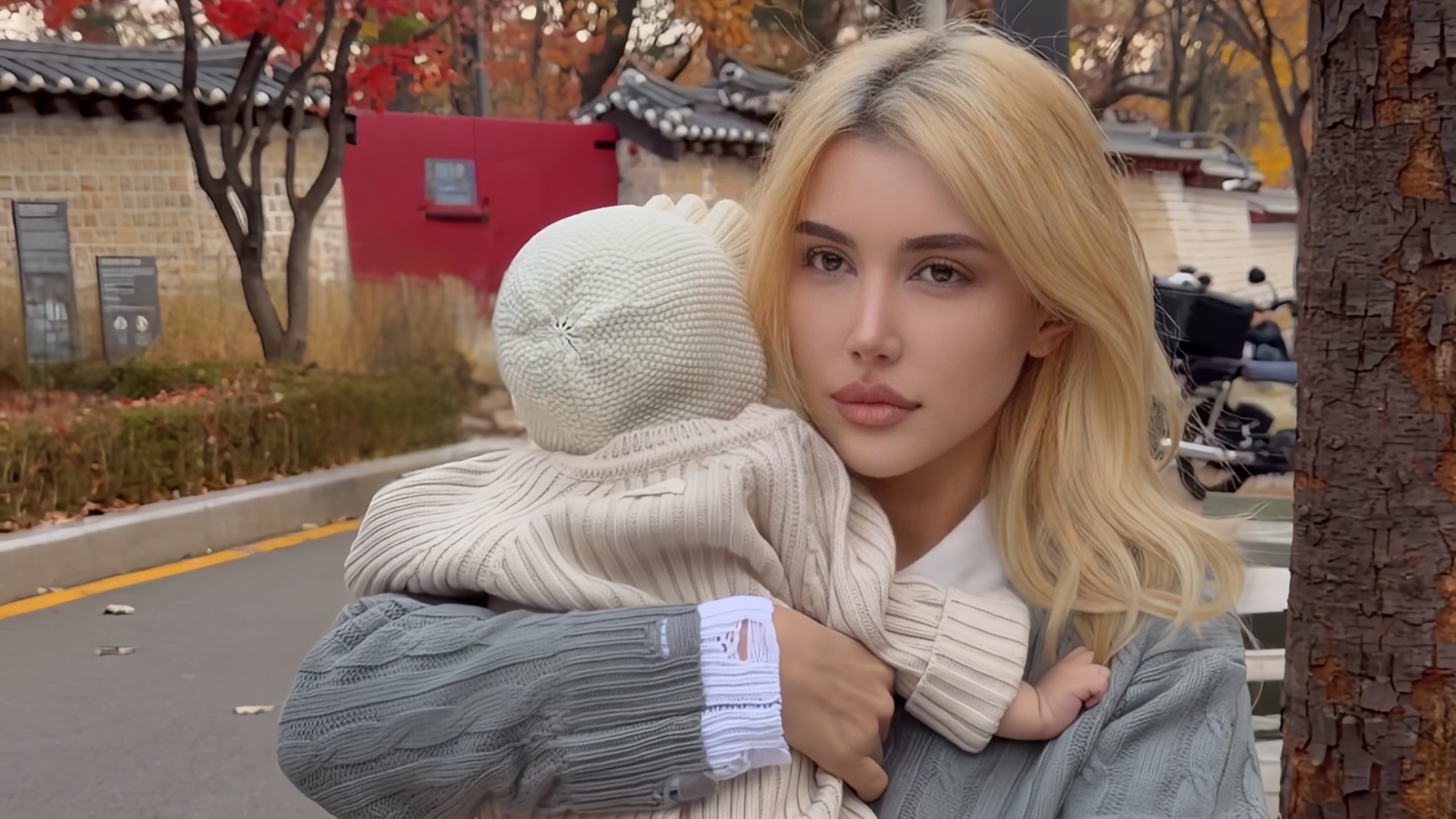
Kim Narmin (@kimnarmln), an Instagram content creator, shared a viral Reel showcasing her stay at a Korean postpartum center (sanhujoriwon) after giving birth in South Korea, where she appeared happy and at peace, surrounded by professional care. The video gained traction as it highlighted an "ideal recovery model," sparking global envy and reigniting the debate about the lack of postpartum support for women.
Korean postpartum centers explained
In South Korea, some mothers stay in these specialized centers after giving birth, enjoying nutritious meals prepared by chefs, neonatal care by retired nurses, massages, gardens, and luxurious accommodations for optimal recovery. Kim Narmin illustrates this structured rest, far removed from immediate pressures, with comprehensive support including sitz baths, massages, and even childcare so that the mother can focus on her physical and mental healing. This traditional sanhujori model, adapted to modern times, reflects evolving family norms where grandparents are less involved.
View this post on Instagram
Reactions and international enthusiasm
The comments on Kim Narmin's post are overflowing with emotion: "I can't even imagine how much this reduces postpartum depression," or "I wish every woman in the world could experience this after having her baby." This video reveals a striking contrast with other countries, where mothers often return home without equivalent support, amplifying fatigue and isolation. The viral success underscores a universal need for such spaces, even inspiring adaptations in the United States. The comments emphasize: "All women deserve this, but so many women have never experienced it."
Debate on insufficient postpartum support
This content reignites criticism: women are not adequately supported after childbirth, lacking the professional respite that prevents depression and complications, unlike in South Korea where it is almost universal. Reddit testimonials confirm that these centers promote secure parent-child bonding while prioritizing maternal recovery and infection prevention. Kim Narmin embodies this "accessible ideal," prompting a rethinking of global policies for equitable support.
Kim Narmin's Reel about her Korean postpartum center perfectly captures what women deserve: rest, nutrition, and professional care to navigate the postpartum period with peace of mind. By sparking interest and debate, this Reel advocates for universalizing this model, reducing postpartum depression and inequality worldwide.