
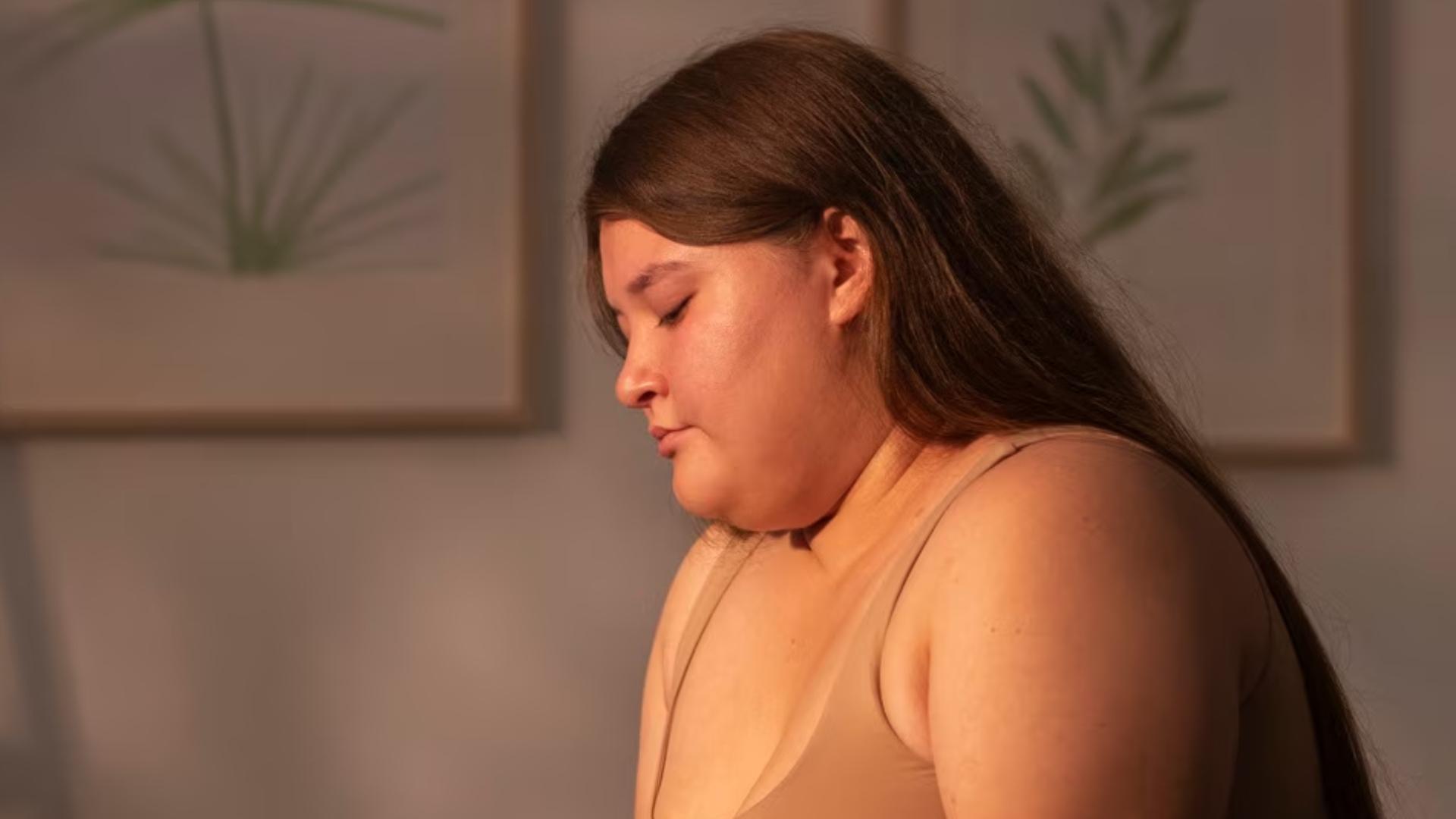
You may think you're being frank, yet some everyday phrases leave a much heavier mark than they seem. Fatphobia doesn't always shout loudly: it often slips into ordinary words, repeated without thinking, but never without effect.
When language becomes a distorting mirror
Fatphobia isn't limited to overt insults. It infiltrates seemingly innocuous or concerned remarks, ultimately transforming the bodies of fat people into a public, debatable, and constantly evaluated topic. These unintentional comments, made without malice, nonetheless contribute to a very real form of social violence.
Telling someone, "You've gained weight again," might seem like an observation or a sign of concern. In reality, this remark imposes an external interpretation of the body, as if it needed to be validated or corrected. It also assumes that weight is inherently a problem, and erases everything else: mental health, well-being, life itself. The body becomes a report card that everyone feels entitled to comment on.
Another common example: “What an appetite! Remember to leave some for others.” Under the guise of humor, this phrase transforms the act of eating into a moral failing. It suggests that some people should restrict themselves more than others, as if the pleasure of eating were conditional on them. The result: the table, meant to be a place of sharing, becomes a space for surveillance.
And what about the infamous line, "You'd be so much more beautiful if you lost weight" ? Behind this insincere compliment lies a brutal norm: beauty is supposedly incompatible with fat bodies. The message is clear, even if it isn't explicitly stated: your current body deserves neither admiration nor love. Yet, every body is already worthy, already valuable, already beautiful.
In the medical field, certain phrases take on an even more serious dimension. Responding too quickly with "It's because of your weight" to a variety of symptoms is tantamount to reducing a person to a number on a scale. This simplistic approach can delay diagnoses, minimize real pain, and discourage patients from seeking medical help. Being overweight is not an obstacle to medicine; it deserves serious, attentive, and respectful care.
Words that leave lasting marks
These repeated remarks constitute what are known as microaggressions. Taken individually, they may seem insignificant. Accumulated, however, they create a climate of constant tension. Numerous studies show that overweight people are more susceptible to anxiety, depression, and social isolation. They sometimes avoid certain places, certain treatments, and certain opportunities for fear of being judged.
Let's remember: in France, nearly one in two people is overweight. This is not an exception, but a reality. Continuing to trivialize these remarks normalizes a daily form of discrimination that affects a large part of the population.
The thinness standard, a constant background noise
These phrases come to us so easily because they are fueled by a pervasive collective imagination. Advertisements, films, social media: thinness is often associated with success, discipline, and happiness. This reductive view influences the way we speak, even when we think we're doing the right thing. Language then becomes the discreet conduit for this narrow norm.
Choose words that liberate rather than hurt
Good news: it's perfectly possible to change. The first rule is simple: other people's bodies don't belong to you. They don't need to be commented on. If you want to express affection or joy, phrases like "You look radiant" or "I'm so happy to see you" are more than enough.
Adopting a body-positive approach means recognizing that all bodies have value, regardless of size. It also means understanding that fatphobia is not just a social issue: in France, discrimination based on physical appearance is recognized by law and can be punished criminally.
Ultimately, fighting fatphobia begins with collective awareness. By adjusting your words, questioning your reflexes, and celebrating the diversity of body shapes, you contribute to creating a fairer, gentler, and more respectful space. A world where everyone can exist fully, without having to apologize for their body.

Quand j’ai eu mon tous premiers rendez-vous gynécologique la gynécologue m’a fait comprendre que à cause de mon poid en trop mon cycle menstruel était déréglé sauf que même en ayant perdu du poids il était tjs au même stade. Je n’y suis allée que 1 fois