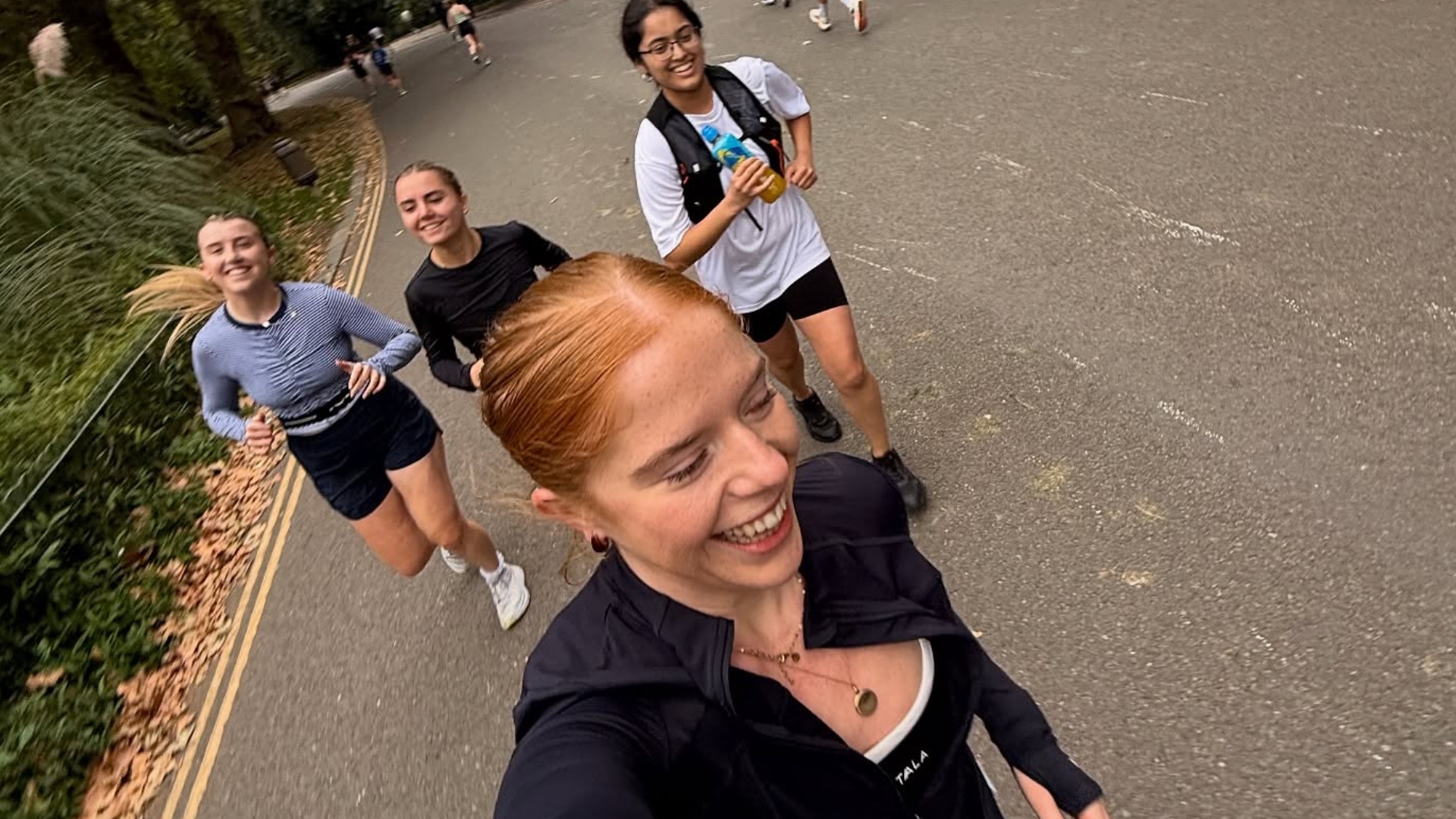
Running should be a source of freedom, joy, and reconnection with one's body. Yet, for many women, this simple act remains fraught with apprehension. By coming together to run, they hoped to rediscover serenity. Above all, they brought to light a reality that is still too often ignored.
Running together to feel stronger
Originally, these women's running clubs arose from a profoundly positive need: to regain confidence in their bodies, their physical abilities, and their place in public spaces. Running together means sharing the effort, encouraging each other, feeling the collective energy, and celebrating powerful, vibrant bodies in motion. In London, Nottingham, and Lewisham, these groups embody an inclusive vision of sport, where every woman is valued, regardless of her pace, body type, or fitness level. However, this bubble of support quickly begins to crack when faced with the realities of the street.
When harassment interferes with effort
Molly Slater-Davison founded "These Girls Run" in 2021 with the idea that there's protection in numbers. Running alone at night filled her with anxiety; running together was meant to alleviate that fear. Yet, even in broad daylight, even in a group, sexual remarks, insults, and inappropriate gestures are rampant. The runners are whistled at, called out to, and stared at. Their bodies are reduced to objects of commentary. The contrast is stark: on one side, women focused on the pleasure of movement; on the other, verbal abuse that erupts without warning and shatters the moment.
View this post on Instagram
Figures and survival strategies
Testimonies gathered across the United Kingdom reveal a disturbing reality. A significant number of female joggers report being spat on, followed, or threatened. Some explain that they run with defensive reflexes: holding keys, carrying pepper spray, altering their routes. These strategies are not "excessive caution," but adaptations to a climate of insecurity that has become almost normalized. The paradox is striking: sport, which is supposed to strengthen the feeling of control over one's body, here forces runners to anticipate danger.
In Lewisham, Emily Hewitt created "Ladies Who Run" to help mothers reclaim their bodies after pregnancy. Running helps them feel strong, resilient, and proud of the bodies that gave life. Yet, even there, harassment is pervasive: sexualized comments, men slowing down in their cars, humiliating catcalls. During a single training session, several groups were targeted simultaneously. These women didn't create these clubs to be exposed to violence together, but to support each other and rebuild their lives.
A banalized fear, a misplaced responsibility
Women have long been advised not to run alone, as if the solution lay solely with them. However, these experiences show that even group dynamics aren't always enough to deter sexist behavior. Faced with the shock, many don't think to file a complaint. The reflex is to move away, protect the group, and carry on. Authorities claim to take these incidents seriously and support educational initiatives aimed at raising awareness of respectful behavior and identifying risk areas. Nevertheless, there's still a long way to go.
Despite everything, these women persevere. They run again and again. They occupy the space, proud of their bodies, their strength, their determination. Each stride is an affirmation: their bodies deserve respect, their presence is legitimate, their freedom is non-negotiable. These clubs, beyond the sport itself, have become symbols. Communities where movement, solidarity, and self-confidence are celebrated.