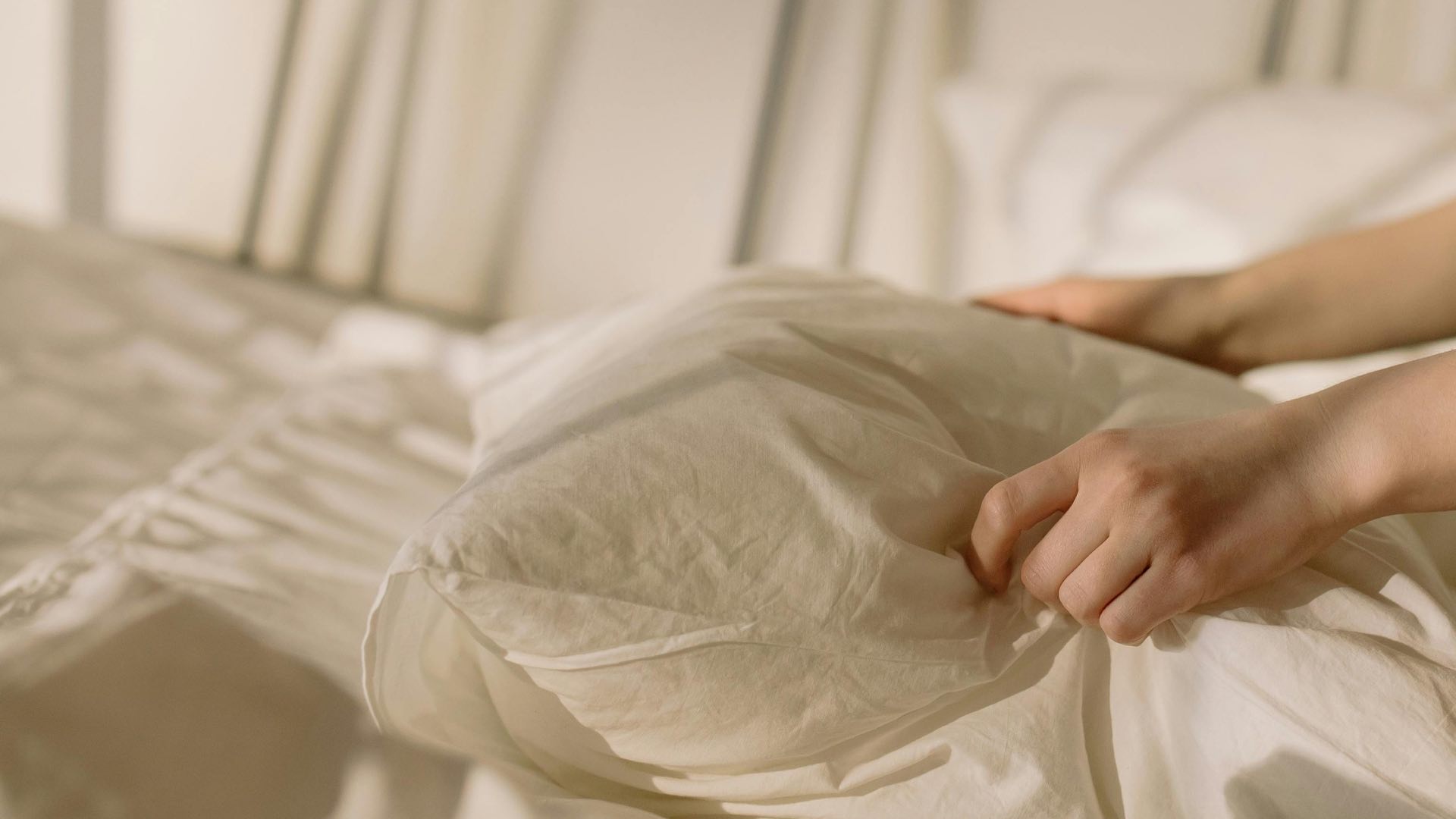
Every night, your body works. It breathes, it regulates itself, it sweats, it renews itself, and all this incredible natural processes leave their mark. Even if you have impeccable hygiene, your bedding inevitably absorbs sweat, sebum, and dead skin cells. The result: an ideal breeding ground for invisible, but very real, unwelcome guests. So, how often should you really wash your bedding to pamper your body and your sleep?
What actually accumulates in your bedsheets
Over the course of nights, your sheets become a kind of intimate diary of your body. It includes, among other things:
- Sweat and natural oils are perfectly normal and necessary for skin balance;
- Dead skin cells, proof that your body is constantly renewing itself;
- Bacteria from your skin or the environment;
- Mites, lovers of warmth and fabrics, feed on those infamous dead cells.
There's nothing abnormal or shameful about it: it's simply how a living body functions. However, when all of this accumulates for too long, the balance can be disrupted.
The consequences of washing too infrequently
A poorly maintained bed can become uncomfortable on several levels . Some people notice itching, redness, or more reactive skin. Others experience a flare-up of their allergies or difficulty breathing at night. Not to mention lingering odors and that heavy feeling of the bedclothes, which clearly detracts from the pleasure of slipping under the covers. Your body deserves an environment that respects it as much as you respect it.
The golden rule: one wash per week
Hygiene experts agree on a simple and effective routine: wash sheets, duvet covers, and pillowcases at least once a week. This frequency helps limit the proliferation of germs and keeps bedding fresh, clean, and comfortable. Even if you shower in the evening, your body continues to produce sweat and shed dead skin cells while you sleep. Weekly washing is therefore essential for everyone, without exception.
When should the frequency be increased?
Certain situations warrant extra attention. It is advisable to wash your sheets more often if:
- You sweat a lot or sleep in a very hot room;
- You share your bed with an animal, however adorable it may be;
- You suffer from allergies or asthma;
- You have been ill recently.
In these cases, changing the sheets every 3 to 4 days can really improve your comfort and well-being.
Temperature and good habits to adopt
For effective cleaning, wash at 60°C when the fabric allows. The heat helps eliminate bacteria and dust mites deep down. A few simple steps complete this routine:
- Air the room every day to reduce humidity;
- Vacuum the mattress regularly;
- Wash pillowcases as often as sheets, as they come into direct contact with the face.
In short, washing your sheets is an act of self-care. Clean bedding supports your skin, your breathing, and the quality of your sleep. By adopting a routine that suits your lifestyle, you offer your body a healthy, welcoming, and respectful space. And frankly, nothing beats the pleasure of slipping into freshly laundered sheets.