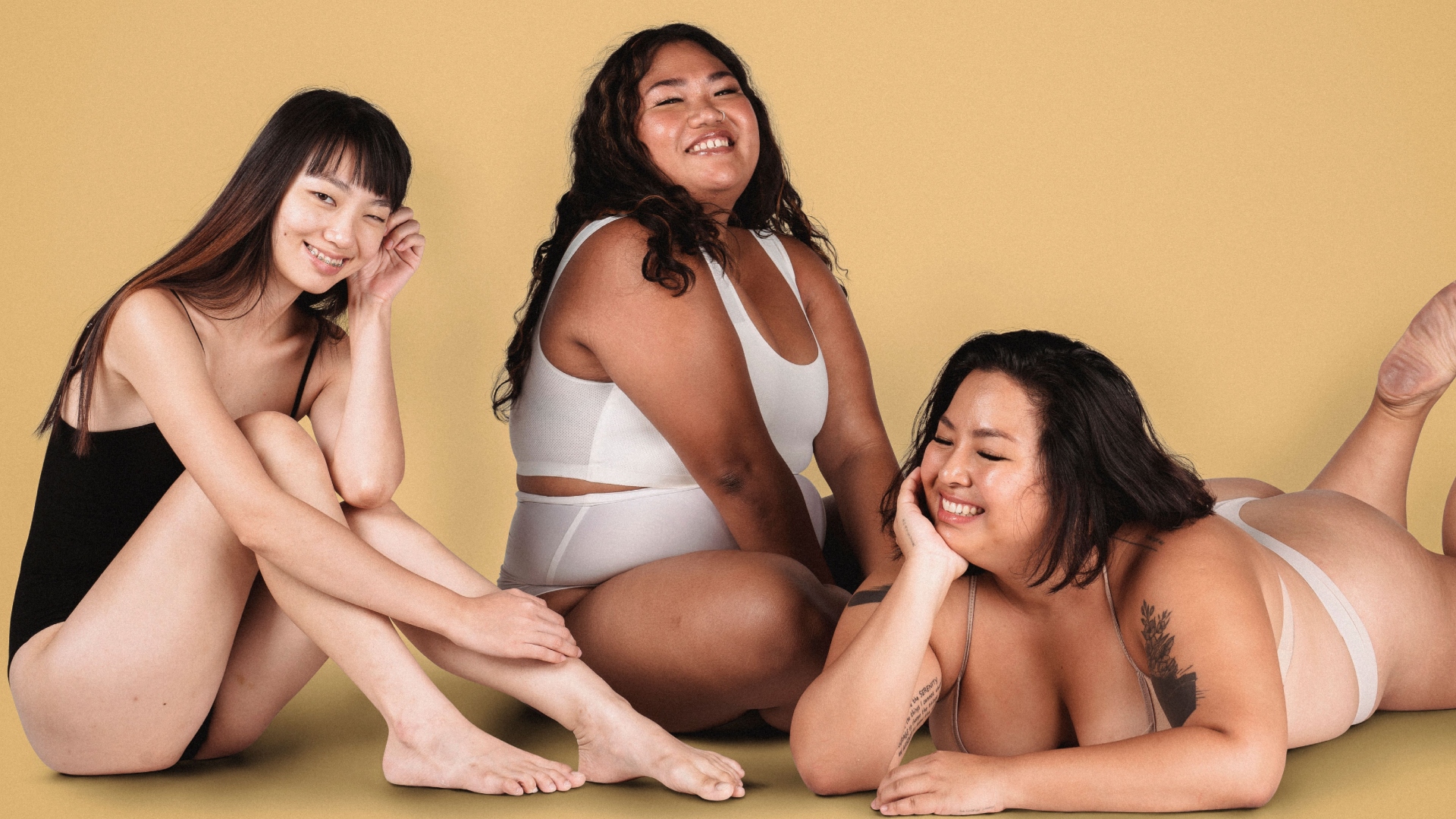
What if you simply stopped wondering if you love your body? Following the body positivity movement, another philosophy is emerging: body neutrality. Its idea? To make peace with your appearance, without the obligation to adore it. A gentler approach, and above all, less guilt-inducing.
When "loving your body" becomes a new pressure
For several years, the body positivity movement has been a game-changer. By celebrating a greater diversity of body shapes and questioning beauty standards, the movement has helped to make representations more inclusive. For some women, however, a difficulty remains: do we really have to love our bodies every day?
Between the pressure to feel beautiful, to celebrate one's curves, and to project absolute confidence, a new kind of pressure can arise. Because when you don't feel that professed love in front of the mirror, it's hard not to feel like you're "doing something wrong." Body neutrality offers a way out of this trap.
What exactly is body neutrality?
The concept developed around 2015 and is notably associated with Anne Poirier , a specialist in eating disorders and intuitive eating. Her approach is based on a simple idea: your body doesn't need to be constantly evaluated. Rather than focusing on its appearance, body neutrality encourages you to recognize all that it allows you to accomplish: walking, dancing, working, laughing, resting, creating, traveling, or simply living your daily life. There's no need to think, "My body is beautiful." Nor is there any need to criticize it. It can simply... be there. And you have the right to devote your energy to something else.
A philosophy that is easier to adopt on a daily basis
This probably explains its success. Body neutrality doesn't require you to feel a positive emotion at all costs. You can have one day where you feel perfectly comfortable in your own skin, and another where your reflection leaves you indifferent. Both are compatible with this philosophy.
This approach has found particular value in supporting people facing significant bodily changes, such as pregnancy, illness, or aging. During these transformative times, accepting one's body without immediately having to love it can be a particularly compassionate step.
Body positive or body neutrality: do we have to choose?
Good news: you don't have to choose sides. These two movements can even complement each other. Body positivity has a collective dimension: it advocates for the visibility and representation of all bodies, while denouncing overly narrow beauty standards. Body neutrality focuses more on your personal relationship with your appearance. One aims to change how society views bodies; the other allows you to take a step back from that view. Depending on the stage of your life, you may find yourself more aligned with one or the other.
Less about appearances, more about freedom
The success of body neutrality may ultimately lie in its simplicity. In a world where appearance plays such a significant role, no longer viewing your body as a constant project to be improved can offer a true breath of fresh air. What if you didn't need to love it every morning to feel good? What if your body could simply be your body, while you enjoy everything else?
One thing is certain: no philosophy should become a new obligation. If your relationship with your image causes you lasting suffering, talking to a healthcare professional can provide appropriate support.