Stretch marks are often talked about as a "problem to hide." Yet, these marks tell a story: that of a body that evolves, adapts, and lives life to the fullest. They appear during intense periods such as growth spurts, pregnancy, or sports. And above all, they are much more common than we imagine. According to a study published in Dermatologic Surgery , approximately 90% of women and between 10 and 15% of men have stretch marks. In other words, they are simply a part of life.
1. Stretch marks have nothing to do with the value of your figure
A common misconception persists: that only curvy people get stretch marks. The reality is quite different. Research shows that approximately 40% of stretch marks appear in thin people. These marks are not related to weight, but to bodily changes. They are often linked to hormonal fluctuations: puberty, pregnancy, metabolic changes, or even periods of stress. When the skin stretches rapidly, the deep fibers of the dermis change, and stretch marks can appear.
In this sense, they primarily reflect a body that has grown, changed, gained strength, or gone through significant stages. Rather than "flaws," they can be seen as natural signatures of your skin's journey.


2. Red stretch marks indicate that your skin is actively working
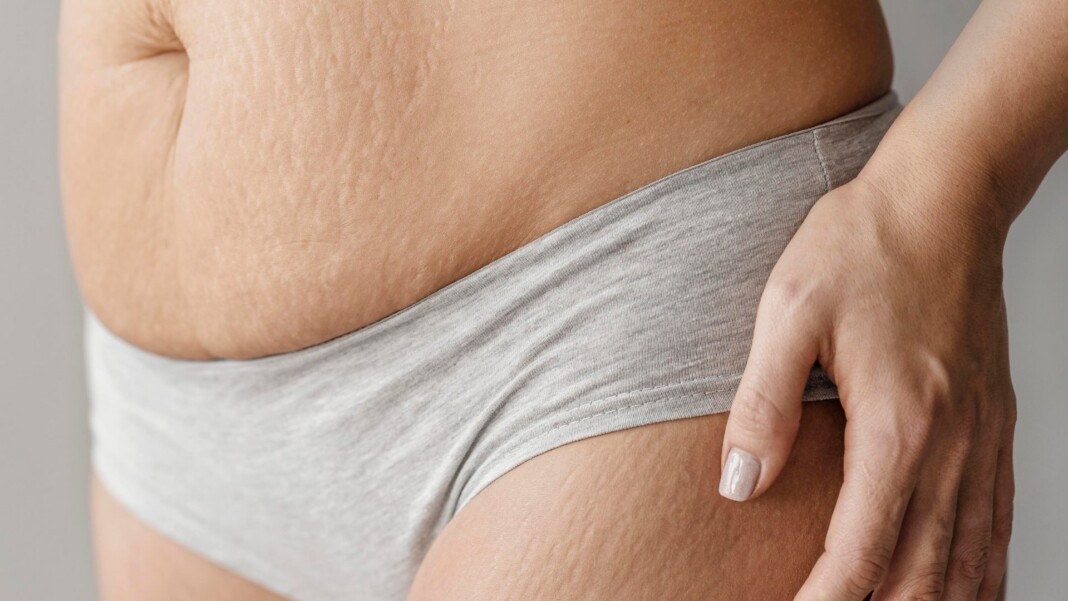
When stretch marks first appear, they are often red, pink, or slightly purplish. They may sometimes itch or appear slightly raised. This phenomenon may seem surprising, but it actually corresponds to an active phase of skin repair. At this time, the dermis reorganizes itself and stimulates local blood circulation, a process called neoangiogenesis. Your skin mobilizes its resources to rebuild itself and regain its balance.
This is also the time when skincare, massages, and moisturizing creams can be most effective, as the skin is particularly receptive. Over time, these stretch marks generally fade to a lighter or silvery hue. These lines then become more subtle, like delicate traces of your body's journey.
3. Men also get stretch marks (and that's perfectly normal)
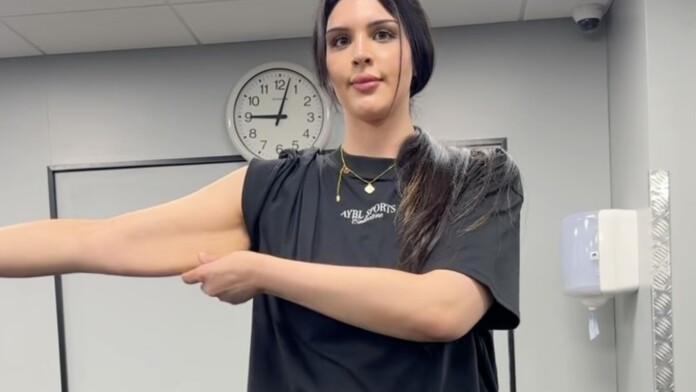
Stretch marks are often associated with women's bodies, but men are far from immune. Studies estimate that between 10 and 15% of men also develop them. They frequently appear on the sides, lower back, or shoulders, particularly during periods of rapid growth or muscle gain. Athletes, for example, can develop them when their bodies undergo rapid changes.
While the subject sometimes remains discreet, it's mainly because the collective imagination still values perfectly smooth bodies. Yet, these marks also tell a story of transformation, physical progress, and strength.
Why your stretch marks are part of your uniqueness
Every skin type has its own sensitivity. Genetics, skin thickness, and certain hormones like cortisol can all contribute to the development of stretch marks. This explains why some people have more than others. One thing is certain: they don't define your beauty or your worth. They simply reflect a living body, capable of adapting and navigating the major stages of life.
Ultimately, these lines on the skin remind us of a simple reality: your body evolves, changes, and builds itself throughout your life. And it is precisely this humanity that makes it unique.