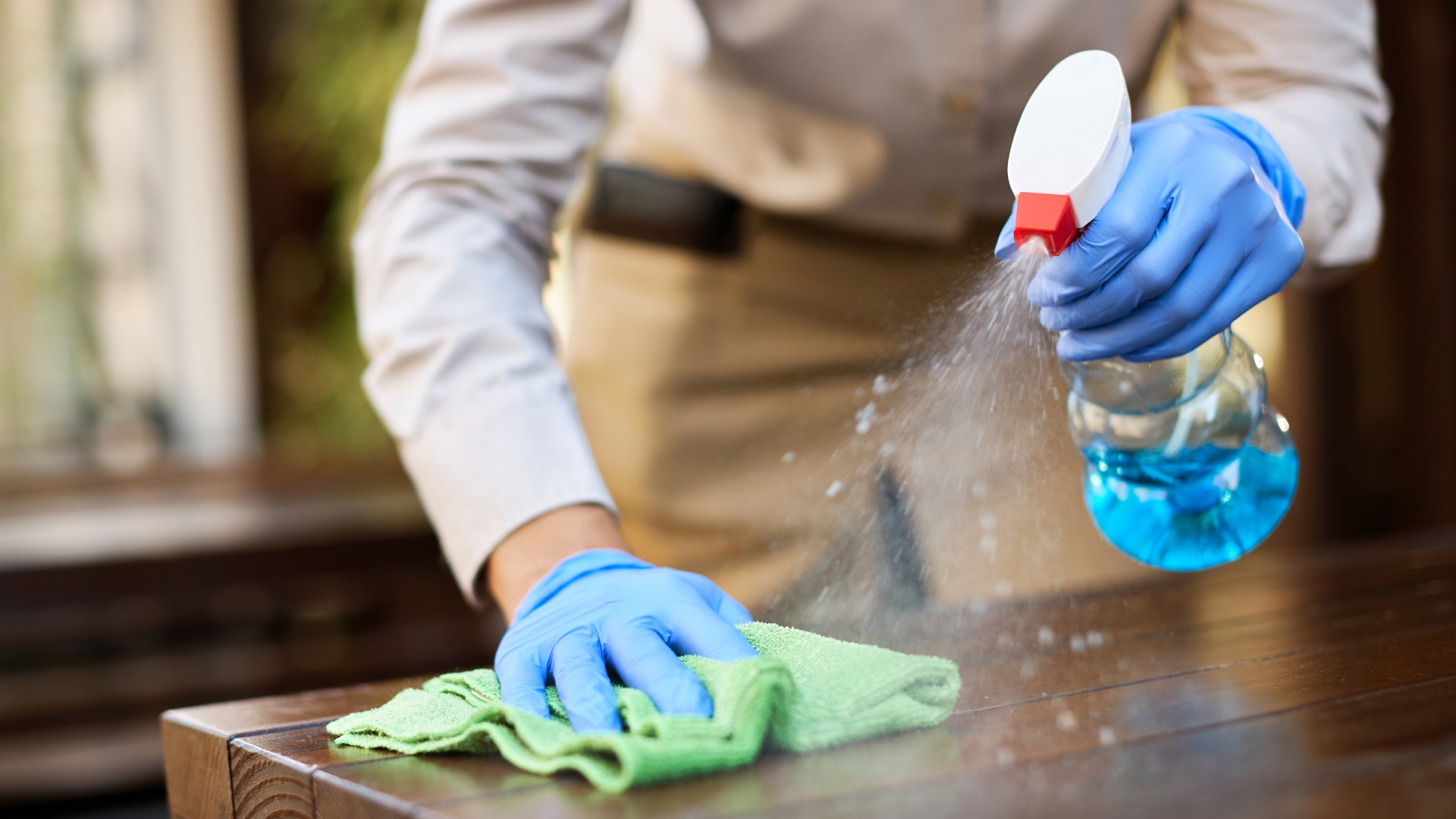
When you clean, you probably think about the floor, the bathroom, or the countertops. That makes sense. However, one frequently used area often slips through the net. And surprisingly, it's one of the places that harbors the most germs in the house.
The sink, that false friend of cleanliness
The kitchen sink gives a deceptive impression. Water is constantly flowing through it; you rinse your food, your dishes, your hands… The result: it seems to "clean itself." In reality, it's quite the opposite. Constant moisture, food residue, and repeated handling make it a veritable hotspot for bacteria. And it's not just the basin and the faucet that are affected. The most overlooked areas are hidden right around them: the drain, the trap, the seals, the small damp corners… not to mention the sponge, often left there, soaking wet.
Why this area is often neglected
If the sink often goes unnoticed, it's precisely because it's used constantly. You go through it several times a day, sometimes quickly, without necessarily taking the time to clean it thoroughly. And since the water runs regularly, you might think that's enough to remove dirt. However, water alone doesn't eliminate grease deposits, nor the microorganisms that thrive in damp areas.
Research on domestic kitchens even shows that sink drains are among the most frequently contaminated areas. As for sponges , they are among the everyday objects richest in microorganisms.
What the studies say
Several studies have examined kitchen hygiene in the home. One of them revealed that sink drains frequently carried foodborne pathogens.
Another important point: kitchen sponges. When analyzed after use, they can contain a wide variety of bacteria, sometimes in significant quantities. Their moist and porous structure makes them an ideal environment for these microorganisms. In other words, your sponge—despite being a cleaning tool—can easily become a source of contamination if it is not regularly cleaned or replaced.
The perfect trio for microbes
If this area so easily becomes a breeding ground for bacteria, it's due to a very simple combination: humidity, warmth, and food scraps. Down the sink, you let vegetable, meat, dairy, and sauce residues go down the drain. Even small amounts of these are enough to feed microorganisms. Add to that hard-to-reach corners, rarely cleaned grout, and perpetually damp fixtures… and you have an ideal environment for their growth.
How to clean better without pressure
No need to turn your kitchen into a laboratory. The idea is not to aim for perfection, but to stop thinking of the sink as an "automatically clean" area.
- Regularly cleaning the tub, drain, and surrounding areas with a suitable product will help limit buildup. Don't forget to scrub those often-forgotten nooks and crannies.
- When it comes to sponges, trust your instincts: if it smells bad, stays constantly damp, or is worn out, it's time to replace it. It's a simple step that can make a real difference.
And above all, keep in mind that your home doesn't need to be perfect to be healthy. Your body, as it is, evolves within this environment every day. The goal is simply to create a pleasant space where you feel good, without unnecessary pressure.
In short, the sink is one of those discreet but essential areas. We use it without thinking, we assume it's clean… and we sometimes forget to give it a proper cleaning. Yet, by paying a little more attention, you can easily improve the overall hygiene of your kitchen. It just goes to show that it's often the small actions—and the less obvious areas—that make all the difference.