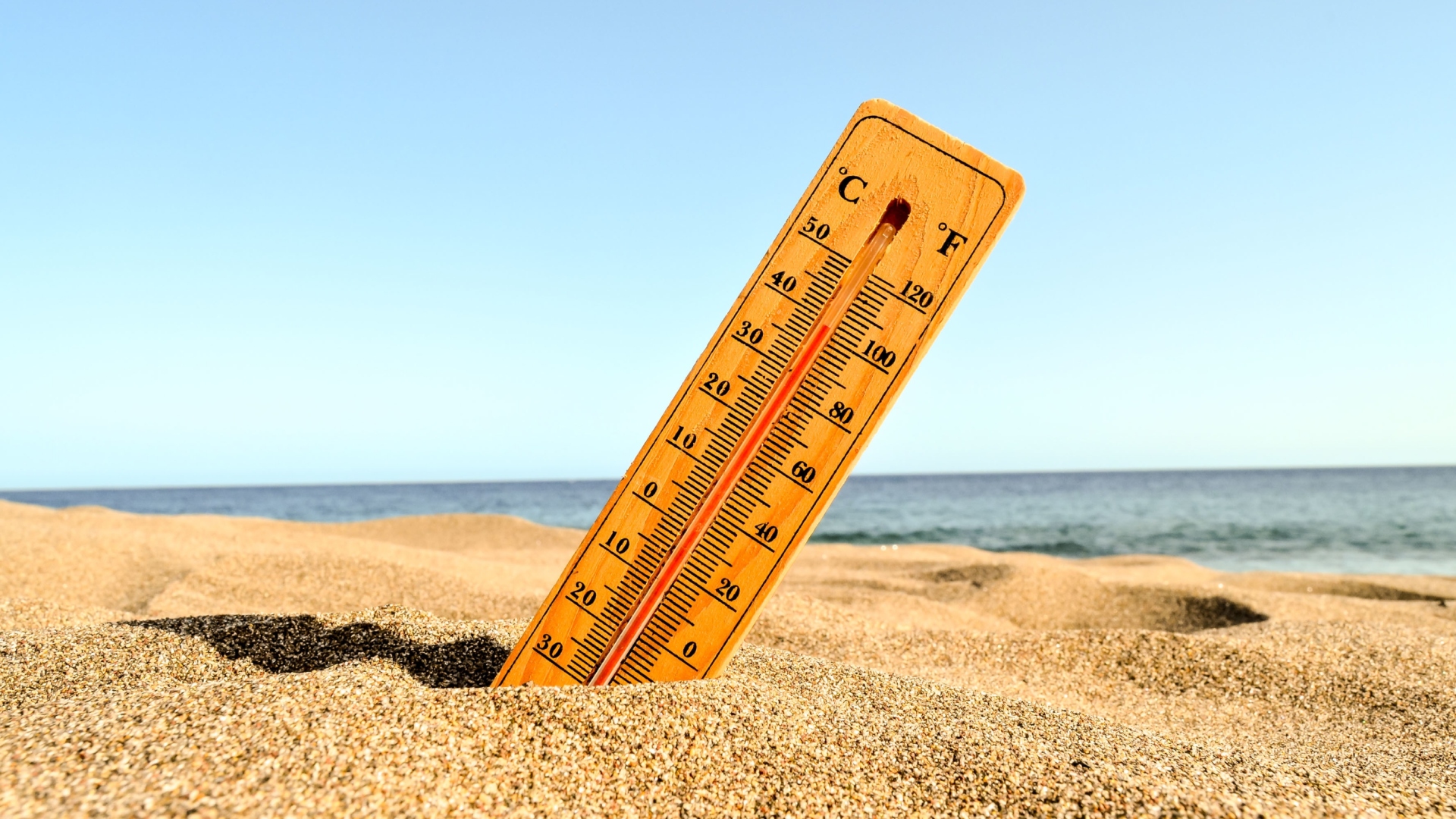
Heat waves are becoming more frequent and intense, putting our bodies to the test. Health experts remind us that a few simple steps can help us cope better with these episodes. The goal isn't to suffer, but to adapt your daily routine to preserve your energy and well-being. The question remains: where to begin?
A public health issue that goes beyond mere discomfort
Heat is not just an unpleasant sensation; it's a genuine public health issue. The World Health Organization (WHO) emphasizes that extreme temperatures can weaken the body, worsen existing illnesses, and lead to serious conditions such as dehydration or heatstroke. Some people are more vulnerable: the elderly, infants, pregnant women, and those living with chronic illnesses. However, the reality is broader: everyone can be affected when the body is unable to regulate its temperature.
Hydration, your best daily ally
The first essential step is to drink water regularly , even if you don't feel thirsty. This signal often comes too late, when the body is already starting to become dehydrated. Ideally, prioritize water throughout the day and limit sugary or caffeinated drinks, which can worsen dehydration. A diet rich in fruits and vegetables also contributes to good hydration balance, while providing a natural feeling of freshness. You can think of hydration as a simple, almost automatic, wellness practice that helps your body stay stable and comfortable despite the heat.
Keeping the interior cooler is a real comfort lever.
Your home plays a central role in your ability to cope with the heatwave. The right steps are simple but effective: close shutters, curtains, and windows during the day to block the heat, then ventilate early in the morning or at night when the air is cooler. A fan can provide significant relief, although it has its limitations in very high temperatures.
In some cases, seeking occasional relief from the heat elsewhere remains a smart solution: libraries, shopping malls, or any other air-conditioned space can provide physical respite. Warm or cool showers, misting sprays, or even a damp cloth on the back of your neck can also help your body feel lighter.
Adjust your pace to respect your energy
During periods of intense heat, your body works harder. It therefore makes sense to adapt your activities. Avoid strenuous physical activity, especially during the hottest hours. Opt for cooler times of day to be active, walk in the shade whenever possible, and choose light, loose-fitting, and breathable clothing. The goal is to respect your natural rhythm and conserve your energy.
Unequal reality in the face of heat
Not everyone experiences the heatwave in the same way. Some homes become veritable "energy sieves," where heat accumulates to the point of reaching temperatures close to those outside, sometimes around 40°C. In these situations, the night is no longer always enough to cool the indoor air. Conversely, other people have better insulated or air-conditioned homes, which radically changes their level of comfort.
This inequality makes adaptation more difficult for some, despite all possible efforts. In these conditions, every solution counts: a fan, air conditioning when available, a misting spray, regular hydration, frequent showers, or temporary outings to cool places. The goal remains the same: to create moments of respite for the body.
Solidarity and care for the most vulnerable, without forgetting the animals
The heatwave also highlights the importance of social connection. Checking in on isolated, elderly, or vulnerable people can truly make a difference. A phone call or a visit often prevents risky situations and provides invaluable support. It is also essential to look after animals, who also suffer from the high temperatures. A constant supply of fresh water, shaded areas, walks during the coolest hours, and vigilance for signs of fatigue are crucial for their well-being.
With heat waves becoming more frequent, these simple actions are becoming essential protective reflexes. By combining hydration, adapting your daily routine, and showing solidarity, you can get through the heat wave more calmly, even when conditions aren't ideal.