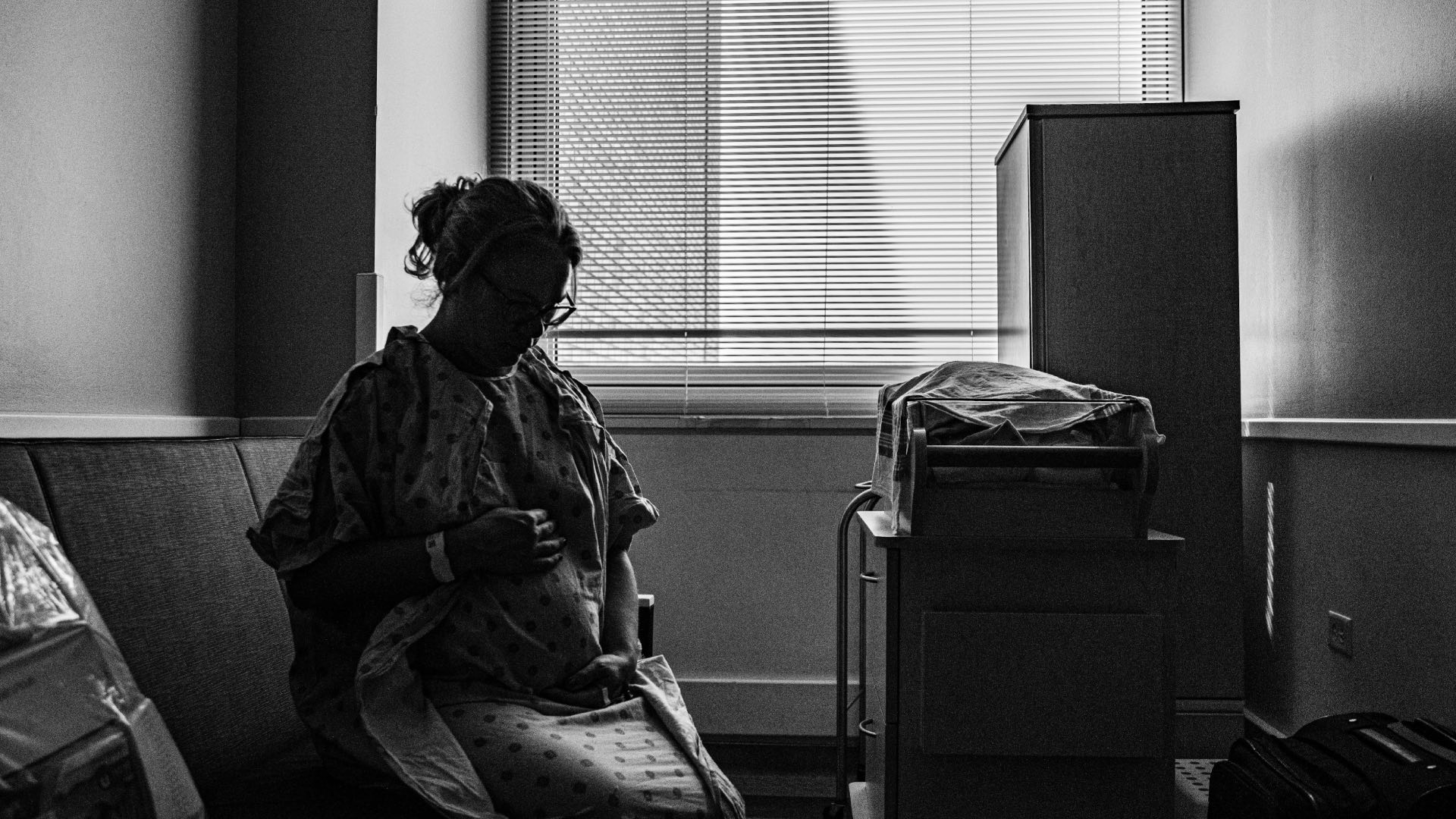
Giving birth should be a momentous adventure in the best sense of the word. Yet, for many women, this experience is marred by hurtful words, unwanted actions, or a profound lack of understanding. Behind the reassuring walls of maternity wards, a far less idyllic reality sometimes lurks.
A global problem that is still too often trivialized
Around the world, women report childbirth experiences that were harsh, humiliating, or dehumanizing. While the medicalization of birth has led to dramatic improvements in safety, it has also sometimes distanced the human element from the heart of care. For several years , the World Health Organization has been raising the alarm about practices ranging from the unjustified refusal of pain relief to the use of medical procedures without consent, as well as patronizing or guilt-inducing remarks.
These situations are not limited to precarious contexts. Even in countries with efficient healthcare systems, many women report feeling invisible, or even dispossessed, of their own childbirth. Yet, the subjective experience of this birth plays a fundamental role in postpartum mental and emotional health. A birth experienced as violent can leave lasting scars, far beyond the delivery room.
France, a mirror of this reality
In France, a study has put figures on this widespread but pervasive feeling. Nearly one in four women reports having experienced care perceived as disrespectful during childbirth. This can take the form of inappropriate remarks, an authoritarian tone, a lack of explanation, or procedures performed without consent.
These behaviors, sometimes minimized, nevertheless have a measurable impact. The women concerned exhibit more symptoms of postpartum depression, with a significantly higher risk than in the general population. In other words, the emotional and relational climate of childbirth directly influences the psychological well-being of mothers, both in the short and long term.
A reality shared beyond borders
This phenomenon knows no borders. Investigations conducted in Africa, Latin America, and Southern Europe echo similar accounts: women tied up without explanation, deprived of privacy, verbally threatened, or treated without regard for their emotions and choices. Some describe their childbirth as an ordeal marked by fear rather than trust.
Speaking out often remains difficult. Shame, fear of not being believed, or the legal ambiguity surrounding these practices discourage people from sharing their stories. Yet, groups, associations, and researchers are working to document these experiences, give them a voice, and transform these narratives into catalysts for change.
Profound consequences for mental health
The psychological repercussions of disrespectful care are now clearly established. Beyond postpartum depression, a growing number of studies are highlighting perinatal post-traumatic stress. A birth experienced as a loss of control, a lack of respect, or a breach of trust can have a lasting impact on one's relationship with oneself, one's body, the baby, and even future pregnancies.
These disorders are neither rare nor insignificant. They influence the quality of the mother-child bond, self-esteem, and sometimes the desire for motherhood in the long term. Therefore, taking care of perinatal mental health is also taking care of society as a whole.
Breaking free from institutional denial
In many contexts, these situations are still considered isolated incidents rather than symptoms of a system under strain. Yet, research shows that this is a structural phenomenon, fueled by overworked teams, a lack of communication training, rigid hierarchies, and a culture of care that is sometimes more focused on the procedure than on the person.
Fortunately, initiatives are emerging. Training in active listening, explicit integration of consent into protocols, development of support by doulas or perinatal mediators: all promising avenues to humanize practices and empower women.
For a gentle, but determined revolution in care
Ensuring respectful care is not a luxury, it is a public health necessity. The WHO calls for placing dignity, compassion, communication, and consent at the heart of the birthing process. This is not about pitting women against healthcare providers, but about building together a culture of care based on trust, cooperation, and mutual respect.
In short, a truly successful birth isn't measured solely by medical parameters. It's also recognized by the sense of security, support, and inner strength the woman experiences. Providing this allows mothers to begin their parenting journey with strength, serenity, and confidence—and ultimately, it's the greatest gift the healthcare system can give them.