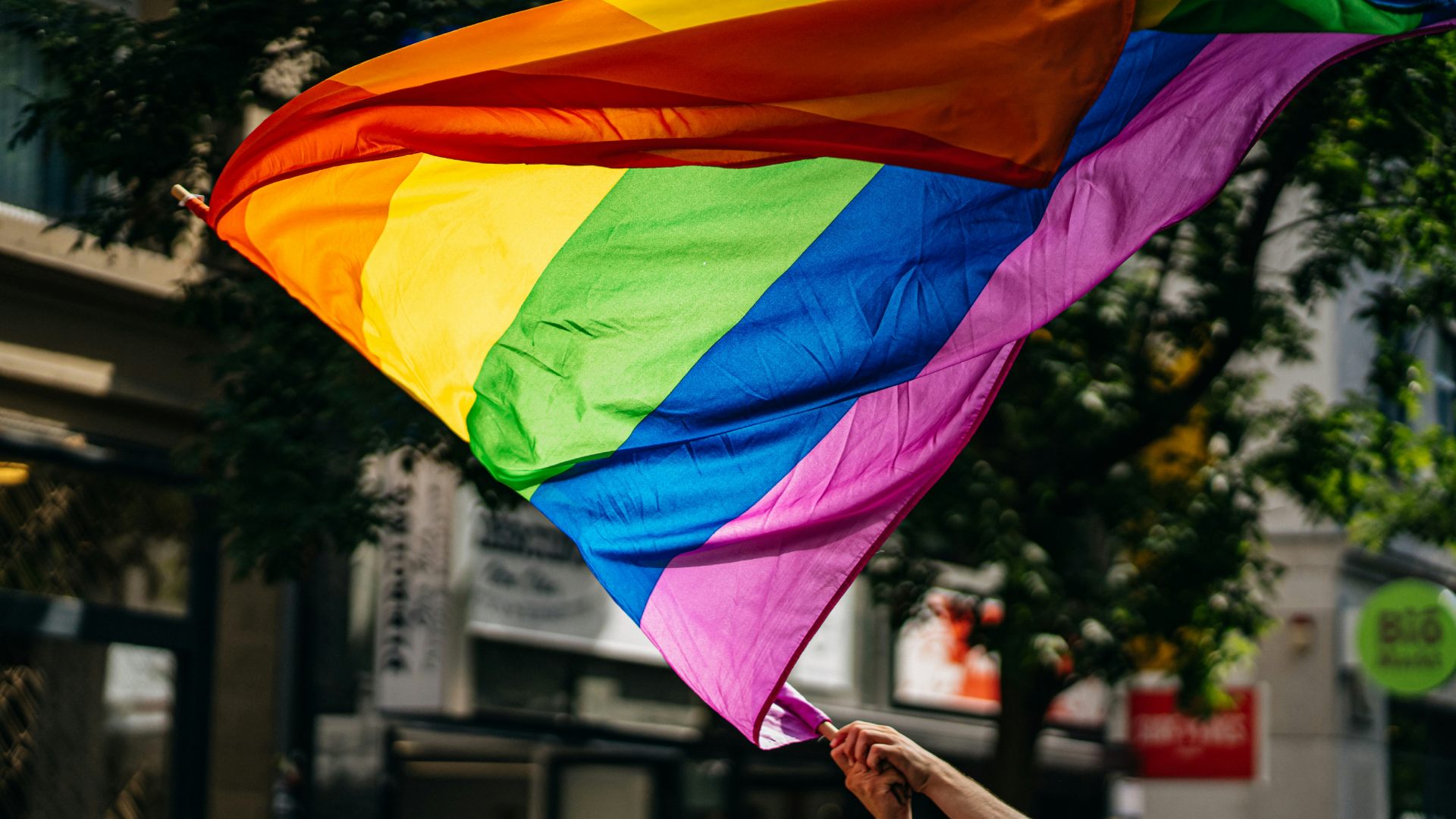
On the occasion of the International Day Against Homophobia , Transphobia and Biphobia, this May 17th, it is worthwhile to examine social media, which has become a central space for socialization and expression. While it promotes visibility and exchange, it can also amplify forms of discrimination.
A space of freedom that has become ambivalent
Social media now plays a vital role in daily life. It allows us to stay informed, share experiences, and build communities. For many LGBTQIA+ people, it represents an important space for visibility, support, and self-affirmation. This space can be experienced as a positive extension of social life, where everyone can find points of reference and supportive exchanges.
However, this freedom of expression also comes with increased exposure to LGBTphobic rhetoric . Digital platforms, due to their accessibility, sometimes become breeding grounds for discriminatory remarks or hostile behavior. In 2025, nearly 4,900 homophobic or transphobic offenses were recorded in France.
Anonymity and the speed of exchanges are the issue.
One of the factors that facilitates the spread of LGBTphobia online is anonymity. Behind a screen, some users feel less responsible for their words and may adopt behaviors they wouldn't exhibit in real life. This can lead to insults, harassment, or mockery targeting sexual orientation or gender identity.
Added to this is the speed at which content circulates. A post can go viral in a very short time, greatly amplifying its impact. Even when deleted, some messages leave a lasting trace, particularly on a psychological level. This dynamic makes combating hateful content especially complex and requires constant vigilance.
#May17 #LGBTphobia 🏳️🌈| Homophobic and transphobic violence is punishable by law: up to €45,000 in fines and 3 years in prison. 💻 Report: https://t.co/9WWYqthUEF 📞 Victims/witnesses: 17, 112 or 114 🌈 Let's mobilize against hate and discrimination. pic.twitter.com/7pUz2M8ewG
— Prefect of the Ardennes 🇫🇷🇪🇺 (@Prefet08) May 17, 2026
The role of algorithms in content visibility
Social media algorithms also play a significant role. Designed to maximize engagement, they can sometimes promote polarizing content. While not directly responsible for hate speech, they can contribute to its visibility by favoring content that elicits strong reactions. This dynamic can create digital environments where extremist rhetoric circulates more easily than nuanced or inclusive messages, thus exacerbating existing tensions.
Spaces that also provide support and visibility
Despite these negative aspects, social media remains an important space for solidarity and raising awareness. Numerous initiatives emerge there to combat LGBTphobia, share resources, and highlight positive stories. These spaces also allow many LGBTQIA+ individuals to find support and build a more confident self-image. Positive content , personal accounts, and prevention campaigns contribute to changing attitudes and fostering a more inclusive culture.
This May 17th serves as a reminder that the fight against LGBTphobia also concerns the digital world. Ensuring more respectful online spaces contributes to a society where everyone can fully exist, without fear or exclusion.