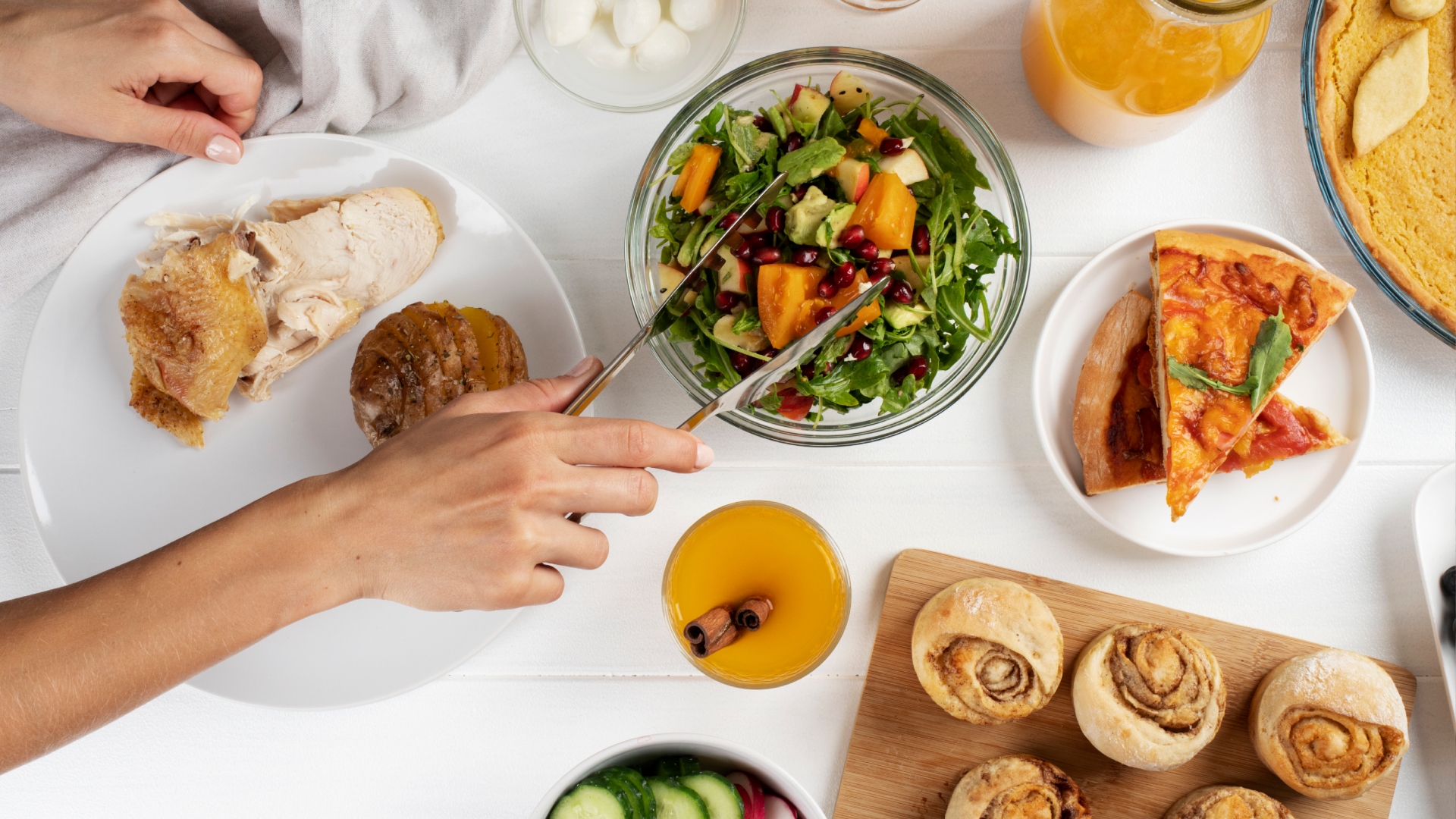
What if our food preferences revealed more about us than we might think? For the past fifteen years or so, several psychology studies have explored the links between food tastes and certain personality traits. The results, which should be interpreted with caution, suggest that our inclinations towards sweet, bitter, or spicy flavors may not be entirely insignificant.
The sweet taste, associated with kindness
A 2012 study by Brian Meier and colleagues showed that people who enjoy sweet flavors were perceived as more agreeable and described themselves as more inclined to help others. Even more surprising: after eating something sweet, participants were more willing to do favors. Sweetness thus appears to be associated, in both our perceptions and behaviors, with so-called "prosocial" traits.
The bitter taste, linked to the dark side of the personality
Conversely, a 2016 study by Christina Sagioglou and Tobias Greitemeyer examined bitterness. By surveying nearly 1,000 American adults about their taste preferences and personality, the researchers observed a link between a strong preference for bitterness and certain so-called "antisocial" traits, such as Machiavellianism, narcissism, and a tendency toward malice. This link remained valid even when taking into account preferences for sweet, salty, or sour tastes.
Other flavors, other paths
Research has also explored other tastes. A preference for spicy foods, for example, is often linked to sensation-seeking, extroversion, and a certain impulsiveness. These associations, flavor by flavor, paint distinct psychological profiles.
Links that need to be qualified
These results should be interpreted with caution. They represent correlations, not causal links: liking black coffee doesn't make someone a malicious person. The observed effects remain modest, and some studies have failed to replicate them. Our tastes also depend on culture, education, and habits.
While science can't read a personality in a plate of food, it does highlight intriguing trends between what we like to eat and who we are. It offers a fun perspective on our little culinary preferences.