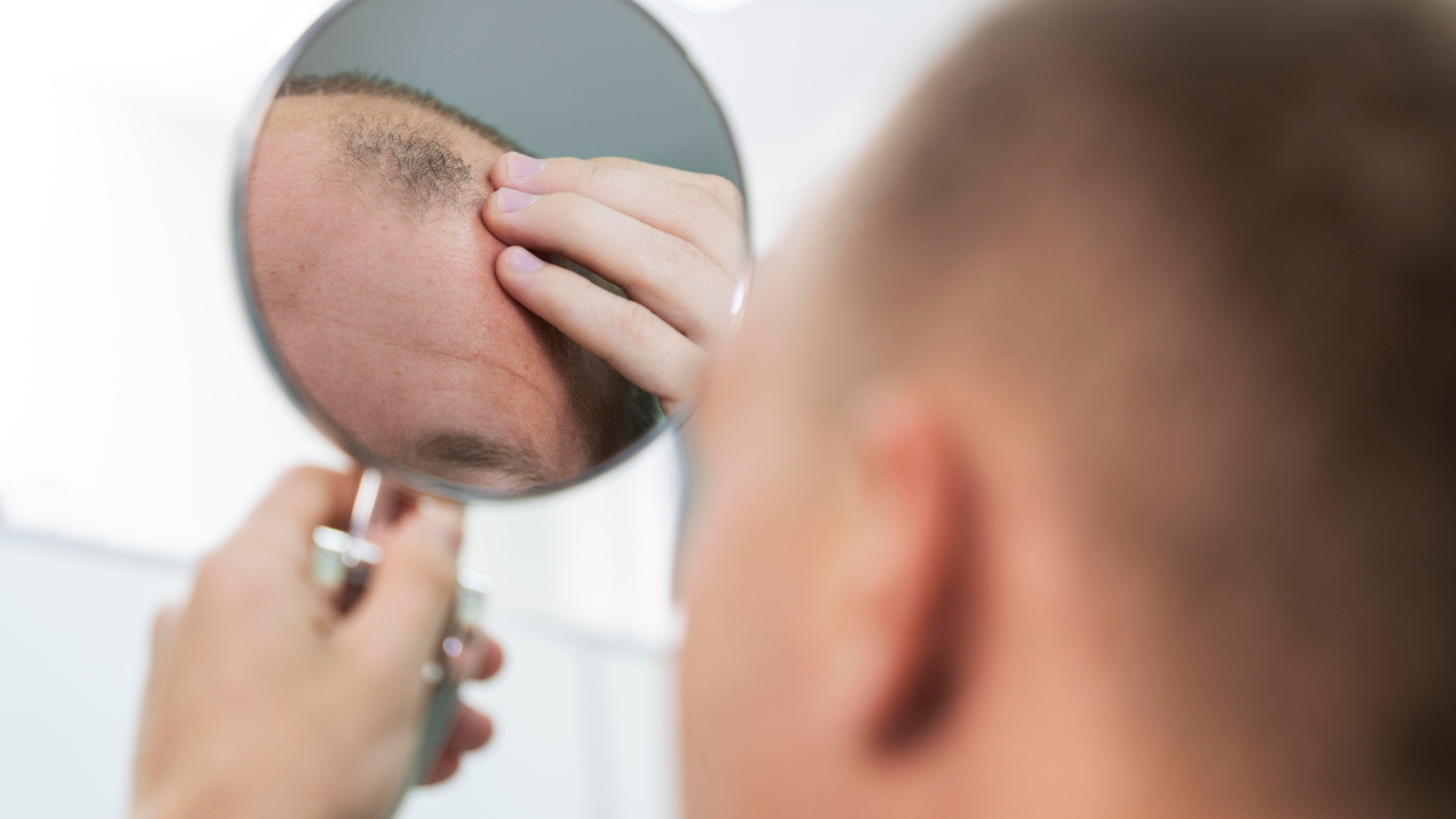
Nearly one in two men experiences significant hair loss over time. In France, this phenomenon affects everyone, including younger men. According to a 2023 study by Medihair , 44.25% of French men suffer from marked hair loss—a figure that places France third in the world, just behind Spain and Italy. Globally, this finding highlights a reality often experienced as a source of insecurity, but one that is increasingly being accepted openly.
A phenomenon with multiple causes
Baldness, or androgenetic alopecia, is primarily caused by hormonal and genetic factors. The high rates observed in Southern Europe are explained by hereditary predispositions and a lifestyle sometimes associated with increased stress or hormonal imbalances. By comparison, rates are much lower in Colombia (27%) or Indonesia (26.9%), where environmental factors and genetics appear to be more protective.
From shame to care: the liberation of speech
Long considered taboo, male pattern baldness is now entering the public conversation. Numerous celebrities, such as Florent Pagny, Rafael Nadal, and Elton John, have admitted to having undergone hair transplants, making the procedure increasingly commonplace.
Meanwhile, the trend of hairpieces or hair extensions is attracting an increasingly younger clientele. On TikTok and Instagram, videos showing the application of hair prostheses are racking up millions of views. These instant, often spectacular transformations are helping to normalize the cosmetic treatment of baldness.
This shift in perspective isn't solely about correction or concealment. A counter-movement, driven by body positivity values, advocates for the acceptance of baldness as a natural stage of life. Whether shaved or embraced as is, losing one's hair is no longer seen as a tragedy or a source of shame, but as a normal bodily evolution. This approach encourages reconciliation with one's image, reminding us that the choice to act—or to do nothing—is first and foremost a matter of individual freedom.
A rapidly evolving relationship with masculinity
Behind this evolution lies a profound sociological shift: the changing relationship between men and their appearance. For a long time, hair loss symbolized either inevitability or, conversely, maturity. Today, everyone asserts their freedom to choose—to accept baldness, conceal it, or treat it—without shame or judgment. Cosmetic brands and male influencers alike encourage this diversity of choices.
With nearly 45% of men affected, France is among the countries most impacted by baldness. What's truly changing, however, is the perception of the phenomenon. Between medical innovations, hair trends, and candid personal accounts, hair loss is no longer taboo, but an accepted reality.