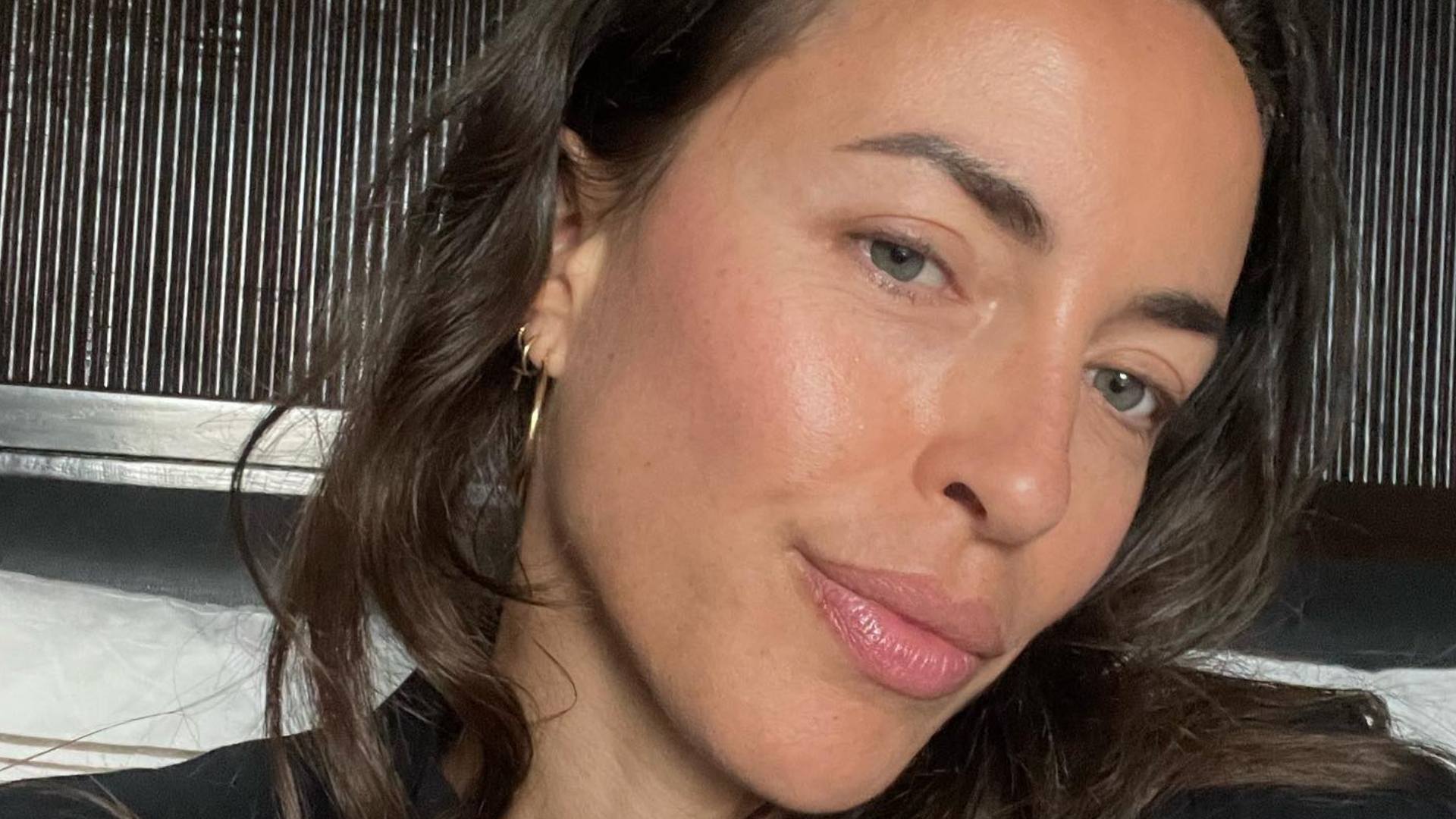
Entering your forties is a bit like opening a new chapter without fully knowing what to expect: exciting, sometimes confusing, often full of changes. But what if, contrary to popular belief, the main culprit behind our energy dips isn't age itself? That's what Olivia Drouot (@oliviadrouot), content creator and Pilates instructor, suggests, sharing her perspective.
The myth of the "milestone" of middle age
Turning 40 still seems, for many, synonymous with a "milestone." It's an almost solemn word, evoking a turning point, a boundary to cross. In a society that loves to celebrate youth, women in their forties sometimes feel they have to apologize for being tired or aches and pains. They often attribute these sensations to a slower metabolism, erratic hormones, or simply the passage of time. According to Olivia Drouot (@oliviadrouot), the real adversary isn't turning forty itself, but the sedentary lifestyle that gradually sets in, sometimes without us even realizing it.
Her message isn't meant to minimize what women feel; it simply highlights an often-overlooked aspect: the body can lose vitality when it lacks regular movement. And this reality isn't a personal failure. It's a natural phenomenon. When daily life becomes filled with responsibilities, work, and mental load, we quickly find ourselves functioning on autopilot, forgetting that our bodies also need attention.
View this post on Instagram
When the body goes "on pause"
Olivia reminds us that the body isn't a tool to be exploited to the point of exhaustion, but a partner. A partner that, when put "on hold" for too long, eventually makes its presence felt: accumulated fatigue, muscle tension, shortness of breath, and a dip in morale. Not because we're 40, but because we demand too much of a body to which we give little space to express itself.
What makes her message so inspiring is its simplicity. There's no need to become a marathon runner or adopt an ultra-disciplined fitness routine. Instead, she suggests accessible actions: a few stretches, a longer walk than usual, Pilates poses, or even a few minutes of deep breathing. It's these small, discreet but regular actions that can soothe certain aches and pains or boost energy. Feeling more mobile, more alert, more alive: these are often the sensations that restore confidence.
Moving is fine, but never under duress.
However, it's essential to qualify her message. Olivia Drouot (@oliviadrouot) shares her personal perspective, shaped by her practice, her profession, and her life experiences. Yes, doctors do recommend moving every day. Yes, avoiding excessive sedentary behavior generally promotes better overall well-being. Nevertheless, this should never become just another injunction, an imperative that would further burden an already heavy mental load.
We move if we can. We get active if we feel like it. We move forward at our own pace, without ever feeling guilty. Some periods of life leave less room for movement, and this doesn't diminish the value, strength, or beauty of those who go through them. Self-compassion should always remain at the heart of the process.
In short, you can choose to bring a little more movement back into your daily life, if it makes you feel good. You can listen to your body, decide what it needs, at your own pace. Turning forty then no longer feels like a dreaded turning point. It can become a rich, mindful time, fertile ground for reconnecting with yourself, for writing a new, more aligned chapter. Because the real issue isn't age, but how you choose to see yourself.