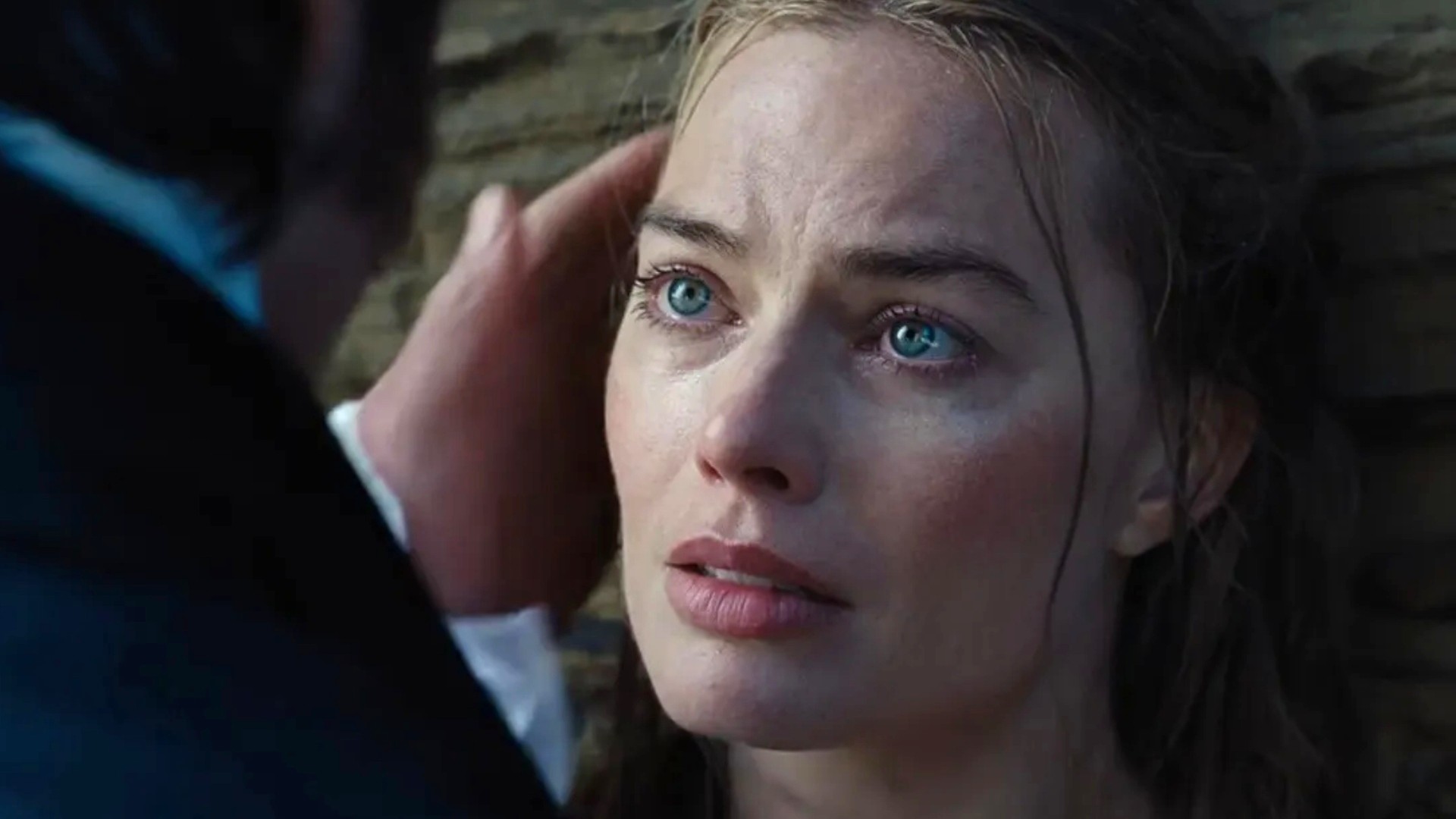
Women's body hair (unfortunately) continues to be a hot topic. A recent statement by British director, actress, and writer Emerald Fennell has reignited a recurring debate about beauty standards and the representation of women's bodies in film. The cause: a scene ultimately cut from her adaptation of "Wuthering Heights," in which the character played by Australian actress Margot Robbie appeared with unshaven armpits.
A deleted scene that sparks discussion
In this new adaptation of Emily Brontë's famous novel, Margot Robbie plays Cathy Earnshaw alongside Australian actor Jacob Elordi. In an interview with The Guardian , director Emerald Fennell expressed regret over the removal of a scene she considered important. This scene referenced a simple historical fact: in the 19th century, women did not have the hair removal practices we know today. For the director, showing her heroine's natural body hair contributed to the character's consistency and credibility.
The authenticity of the body at the heart of the matter
This passage was so important to Emerald Fennell because it went far beyond aesthetics. According to her, it was primarily about realistically portraying a woman of her time, without projecting contemporary beauty standards onto her.
This statement brings to light a debate that regularly resurfaces in the worlds of film and fashion: what place should be given to natural bodies on screen? Between visual demands, cultural norms, and the quest for authenticity, the question continues to be divisive. Even today, women's body hair remains a controversial topic, even as many women advocate for a freer and more personal approach to their appearance.
A popular success despite mixed reviews
Beyond the controversy, "Wuthering Heights" marks a significant milestone in Emerald Fennell's career. With nearly $242 million in worldwide box office receipts on an estimated $80 million budget, the film has established itself as his most ambitious project to date. Available for streaming since May 3, 2026, the feature film quickly topped the charts in the United States. While critics were divided on this reimagining of the literary classic, audiences overwhelmingly embraced it.
By sharing her regret about the film's execution, Emerald Fennell reminds us that representations of women's bodies continue to provoke strong reactions. Behind a single deleted scene lies a broader reflection on aesthetic norms, self-acceptance, and body diversity. It's further proof that, even in 2026, the question of naturalness on screen remains a "sensitive subject."