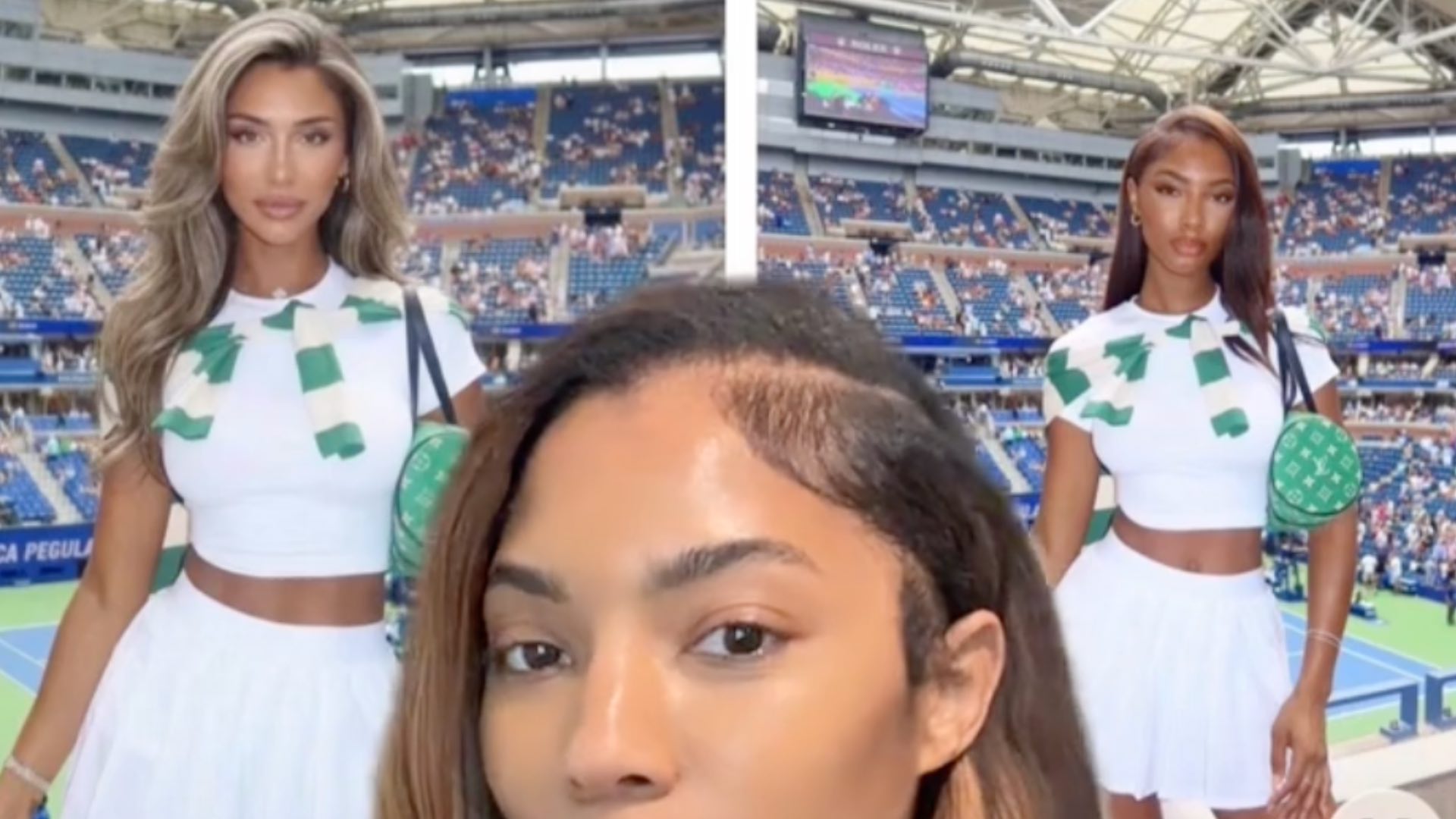
A controversy has erupted on social media after an American influencer was accused of using artificial intelligence to alter an image and claim it as her own. The case, widely discussed online, raises questions about the use of AI in the creation of visual content.
An image at the heart of the controversy
American influencer Lauren Blake Boultier has been accused by model Tatiana Elizabeth of using an image altered with artificial intelligence. According to posts shared online, the photo shows a body similar to the model's, with identical visual elements, including the outfit, pose, and background.
Tatiana Elizabeth claimed that the original image was taken at a sporting event several years prior. She also pointed out that the post implied the influencer had attended a tennis tournament in Miami, whereas the original photo was reportedly taken at the US Open. The comparison between the two images, shared widely on social media, quickly sparked strong reactions.
@tatiana.elizabethh it's getting weird I'm moving to mars #fyp #greenscreen ♬ original sound - Whitney Leavitt
Artificial intelligence at the center of discussions
Faced with criticism, Lauren Blake Boultier finally admitted that the image came from a content creation process using artificial intelligence. In a message posted on her Instagram account, the influencer apologized, stating that she had not intended to use another content creator's image. She claims to have contacted Tatiana Elizabeth after the controversy and indicates that she wants to strengthen controls over published content through her team.
A controversy that reignites ethical questions.
The case has sparked numerous reactions on social media, with some users raising concerns about the use of artificial intelligence in image production. The rapid development of tools for modifying or generating visuals raises questions about intellectual property, content authenticity, and the protection of creators' work. Several experts point out that AI-generated or modified images can sometimes reuse existing elements, potentially leading to conflicts over the use of the original data.
The increasing use of artificial intelligence technologies in digital communication is changing image production practices. Content creators are increasingly required to specify the origin of the visuals they use to avoid confusion or disputes. This case highlights the challenges posed by the rapid evolution of digital tools, particularly regarding transparency and respect for creative work.
In summary, the situation highlights the importance of controlled use of AI tools, particularly in a context where the line between real and generated content sometimes becomes difficult to distinguish.