A new expression is making waves on social media: the "lip filler accent." Behind this somewhat mysterious term lies a simple idea: what if the way you speak is, in part, influenced by the shape of your lips? Between science, perception, and cultural trends, the topic is as intriguing as it is divisive.
A way of speaking related to the shape of the lips
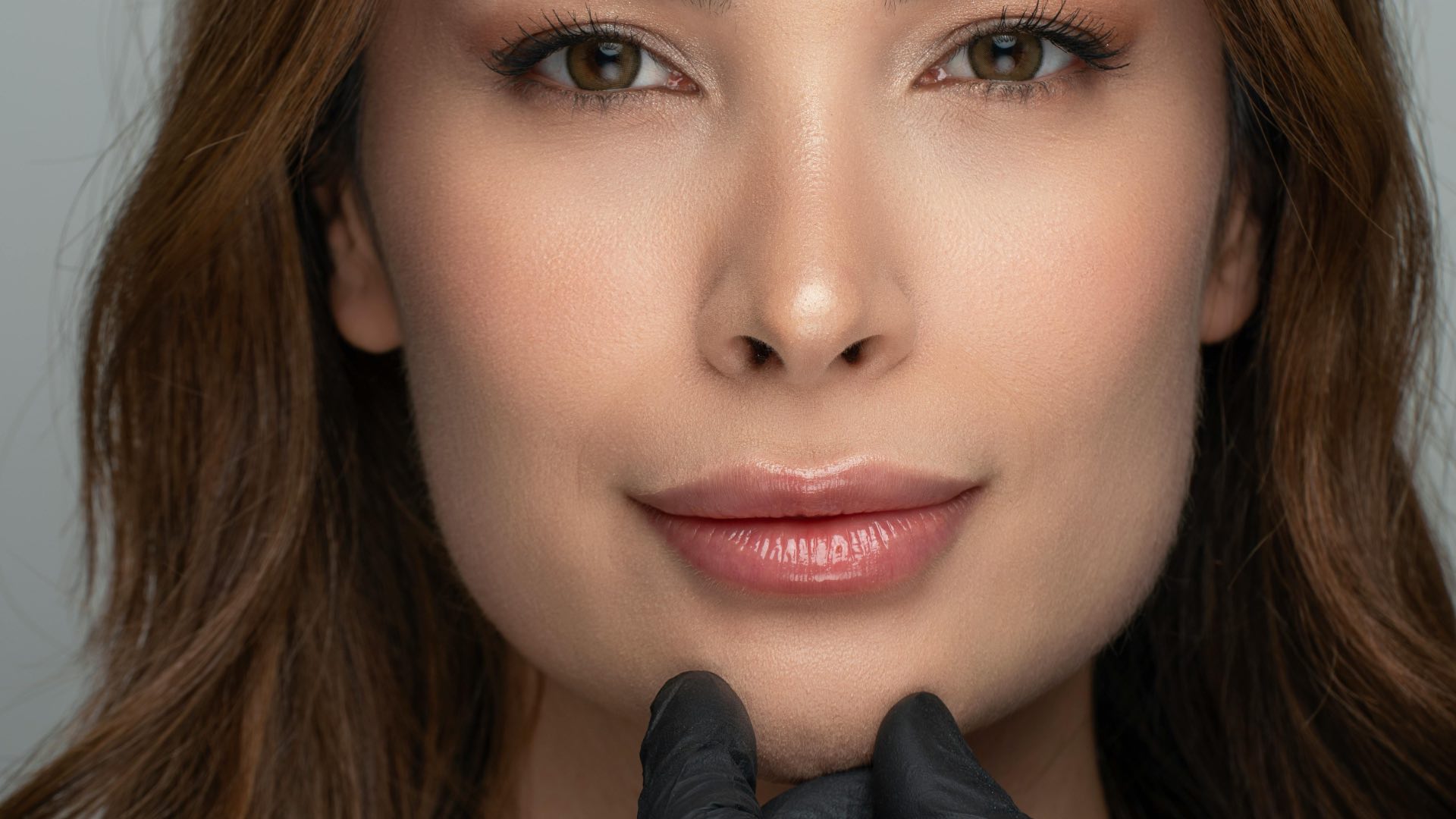
The "lip filler accent" refers to a particular way of articulating certain sounds, which some associate with fuller lips, especially after cosmetic procedures. Journalist Alex Sujong Laughlin , who has investigated the topic, explains that altering lip volume could influence pronunciation. The culprit: the space between the lips, teeth, and tongue, which plays a key role in sound formation.
Speech specialists confirm that the lips are essential for producing certain sounds, particularly bilabial consonants like "p," "b," and "m." A slight variation in their position or volume can therefore, in theory, alter how these sounds are produced. That said, every body is unique. Your lips, like your voice, contribute to your personal signature, and their characteristics are part of what makes your way of speaking distinctive.
A phenomenon amplified by pop culture
The term's recent rise in popularity is largely due to social media. Viral videos have highlighted this way of speaking, often associated with certain pop culture figures and aesthetic standards that have been highly visible since the 2010s.
With the rise of online content, trends related to appearance are no longer confined to images: they also influence how we express ourselves. Certain voices, intonations, or ways of articulating become recognizable… and sometimes imitated. Media outlets like The Cut have discussed the possible link between aesthetic transformations and the perception of diction. In other words, what you see can influence what you hear.
Speaking, a very fine mechanism
Beyond trends, speaking is a true balancing act between several parts of the body: the lips, of course, but also the tongue, the palate, and even breathing. The lips play a particularly important role in the articulation of certain sounds. A change in their shape or size can therefore have an impact, however subtle, on diction.
However, it is never an isolated factor. The way you speak depends on an overall coordination, unique to each person. Your voice, your rhythm, your natural or acquired accent tell a story that belongs to you.
Between scientific reality and social perception
The "lip filler accent" is not a clearly established scientific phenomenon. For some experts, it's as much a matter of perception as it is of physiology. Indeed, speech patterns also evolve according to the social environment, media models, and cultural dynamics. You can, sometimes without realizing it, adopt intonations or ways of speaking inspired by people you see or hear regularly.
Sociolinguistic research shows that these changes can spread very quickly, especially in the age of social media. What we identify as an "accent" can therefore be as much a cultural trend as an anatomical reality.
Body, expression and freedom
The interest in "lip filler accent" reflects a broader trend: the growing attention paid to appearance and its influence on other aspects of daily life, such as voice and expression. Today, cosmetic transformations are commonplace worldwide. They are part of a diverse range of personal choices, linked to each individual's relationship with their body.
And this is a crucial point: your body, your voice, and your way of expressing yourself belong to you. Whether or not you use cosmetic modifications, whether your diction evolves or remains the same, there is no single "right" way to speak.
The "lip filler accent" therefore remains primarily a topic of discussion, at the crossroads of science and culture. Above all, it reminds us that your uniqueness—in your appearance as well as your voice—is what makes you who you are.