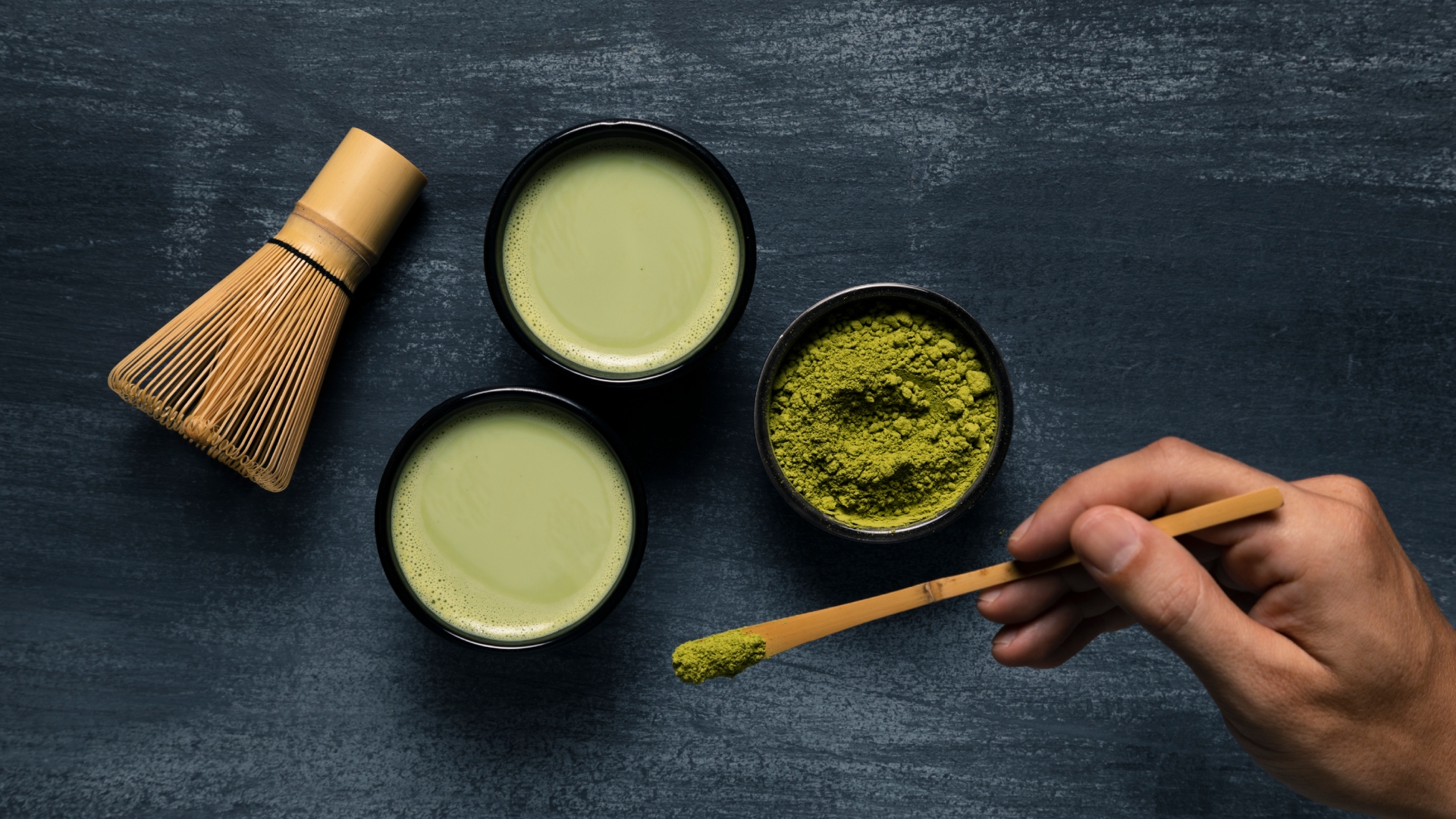
Long reserved for traditional Japanese ceremonies, matcha has become a trendy drink. Its vegetal taste, intense color, and "zen" image are increasingly appealing. Beyond style, one question remains: does it really offer a "more gradual" energy boost than coffee?
A different kind of energy in your cup
Coffee is often associated with a rapid, almost immediate effect. Matcha, on the other hand, is regularly described as more stable, with a feeling of energy that builds gradually. This difference could be explained by its natural composition.
Matcha contains caffeine, like coffee, but also a particular amino acid: L-theanine. It's this combination that attracts the attention of researchers when they study the effects of tea on concentration and alertness. In other words, you're not just drinking caffeine, but a natural duo that works together.
A combination that interests research
In a study published in the journal Nutritional Neuroscience , researchers investigated the combination of caffeine and L-theanine in young adults. They observed the effects of a dose combining approximately 97 mg of L-theanine and 40 mg of caffeine.
The results show an improvement in certain attentional functions, as well as an increase in the participants' perceived alertness. Simultaneously, feelings of fatigue decreased. Without directly comparing a cup of matcha to a cup of coffee, this research highlights an important point: when caffeine is combined with L-theanine, the effects on attention can differ from those of caffeine alone.
Why matcha is perceived as "more progressive"
This is where matcha earns its reputation as a gentle energy booster. L-theanine is being studied for its influence on attention and a state of calm wakefulness. Combined with caffeine, it may contribute to a more balanced sense of alertness.
Rather than a sharp energy spike followed by a slump, some people describe a more linear, comfortable, almost enveloping concentration. An energy that accompanies rather than disrupts. This feeling explains why matcha is often chosen for periods of focused work, studying, or tasks requiring prolonged attention.
Matcha or coffee: two different experiences
It's not about declaring a winner between the two drinks. Coffee remains popular for its rapid stimulating effect and intensity. Matcha, on the other hand, is appealing for its more gradual approach, often associated with a feeling of mental clarity.
Researchers remain cautious, however. Studies do not show that matcha is "better" than coffee, nor that it produces exactly the same effects in everyone. Reactions can vary depending on caffeine sensitivity, lifestyle, and the context of consumption. In reality, it's not about pitting the two against each other, but about understanding that they don't act in quite the same way.
Ultimately, what this research suggests is that there are different ways to stimulate your attention. Some are more intense, others more gradual. Matcha illustrates this idea of a gentler energy, where the body and mind seem to move at the same pace. This sensation may suit those seeking focus without excessive stimulation. Ultimately, whether you choose coffee or matcha, the key is to find what best respects your rhythm, your body, and your way of functioning.