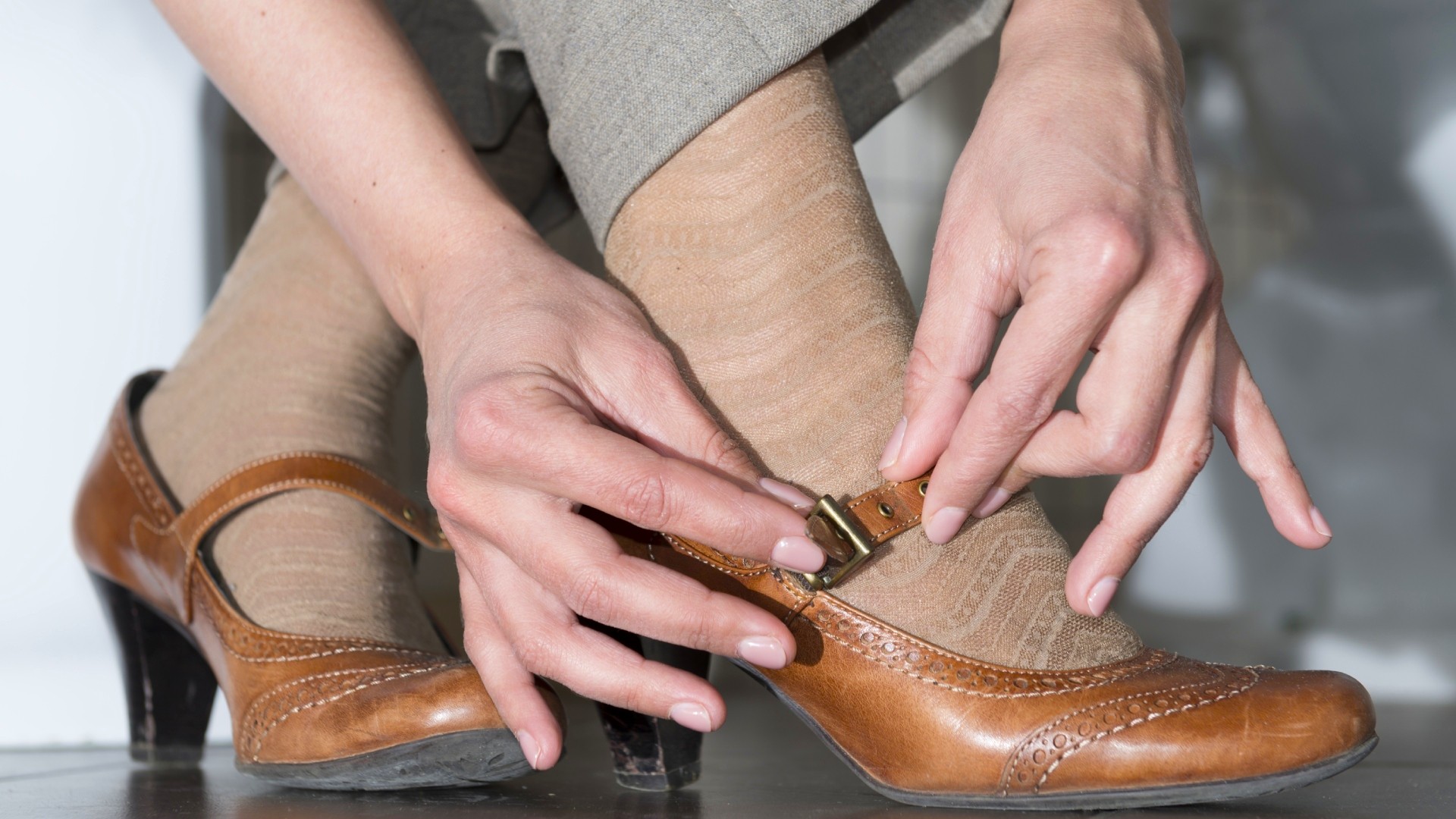
After 50, our feet gradually change with us. This doesn't mean we should abandon style or only wear "comfort shoes." You wear what you like, at any age, but it's true that over the years, long days on your feet or overly rigid styles can become less comfortable for your feet and joints.
Why comfort sometimes becomes more important over time
Experts have observed that foot pain becomes more frequent with age, particularly among women. A British study conducted over ten years by the universities of Southampton and Oxford showed that a significant proportion of participants reported foot pain after the age of 60.
Over time, the foot can widen slightly, lose some of its natural cushioning, or the arch may flatten. As a result, some shoes that were once comfortable may suddenly feel too tight or uncomfortable. This doesn't mean you need to overhaul your wardrobe, but rather learn to listen to your body and, when necessary, choose styles better suited to your everyday comfort.
The right fit: the detail that makes all the difference
Among the most important criteria is what is known as "proper fit": in other words, a shoe adapted to the size and especially the width of your foot. A scientific review published in 2024 in the journal MDPI reminds us that wearing shoes that are too narrow can contribute to pain, friction, or deformities such as hallux valgus, also known as a bunion.
The front of the foot therefore deserves special attention. Shoes that allow enough room for the toes allow the foot to move more naturally and reduce pressure points. And no, choosing a wider shoe doesn't mean sacrificing style. Today, many brands offer stylish models designed to provide more space and support.
The details that make a real difference
Arch support also plays an important role. A Polish study conducted on people aged 65 to 74 showed that perceived comfort depended heavily on arch support. Sometimes, a simple ergonomic insole can be enough to transform an ordinary pair of shoes into a daily essential.
Heel height also matters. According to the renowned Chingford Study , frequently wearing heels higher than 5 cm may be associated with increased joint pain, particularly in the knees. This doesn't mean heels should be banned altogether. Again, it's all about balance and personal preference. For extended daily wear, a small heel of 2 to 3 cm is often considered a good compromise between style and comfort. Finally, the flexibility of the sole and breathable materials can make a huge difference during long days.
A few simple tips for making a better choice
Certain habits can also help to avoid unpleasant surprises.
- For example, trying on shoes at the end of the day allows you to take into account the slight natural swelling of the feet.
- Walking around the store for several minutes with them is also much more revealing than simply trying them on while seated.
- It can also be useful to measure your feet from time to time: shoe size sometimes changes over the years.
- If pain recurs regularly, consulting a podiatrist might be a good idea. A professional can identify any imbalances and recommend appropriate solutions, such as custom orthotics.
Ultimately, choosing comfortable shoes after 50 isn't about fitting into a box or following age-related rules. It's simply about giving your feet the support they sometimes need to keep moving, walking, and enjoying your days with ease.