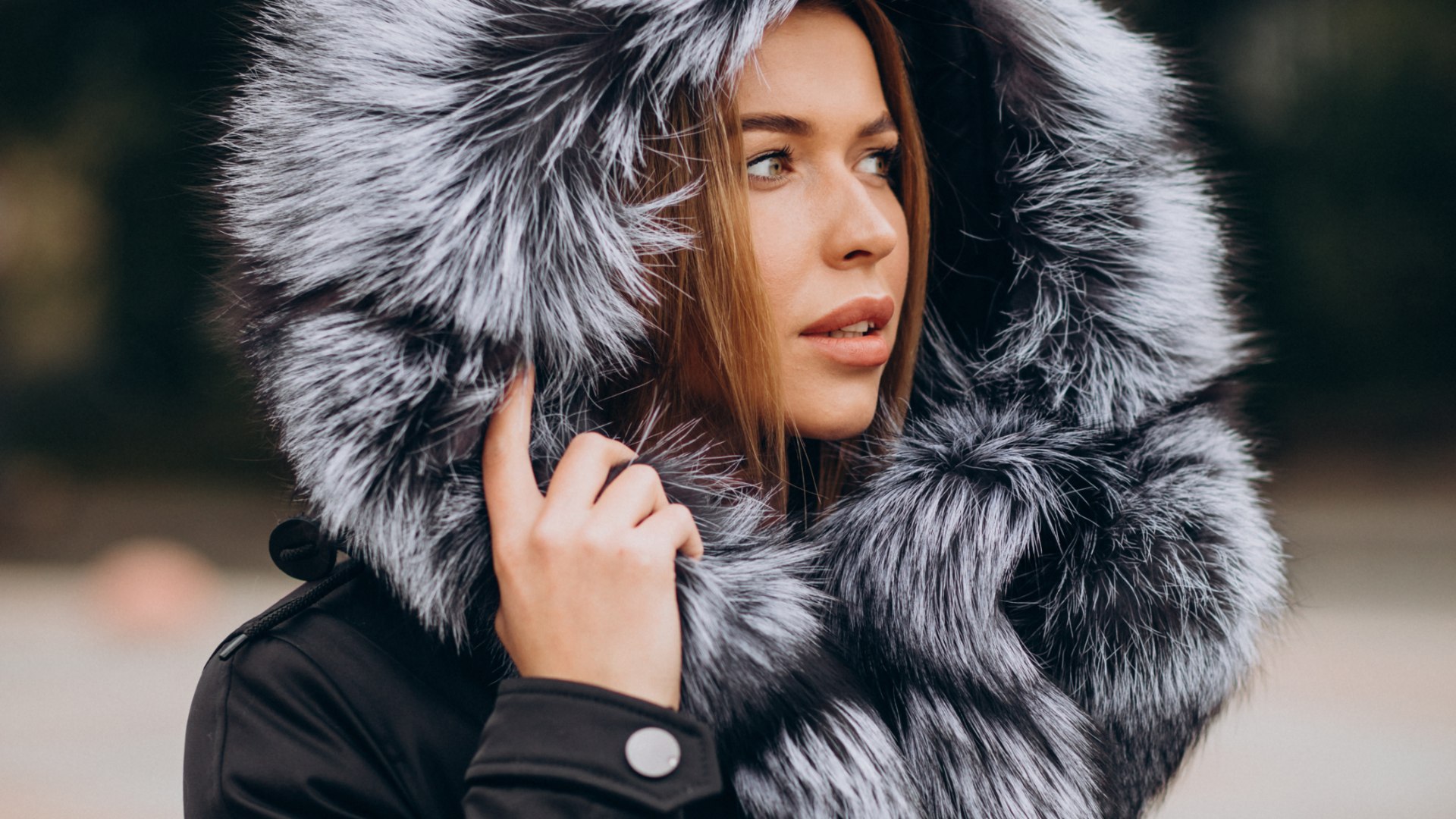
In winter, hoods are more often pulled up over the head than pulled down over the back. It's a great advantage, especially when the weather is unpredictable. Except that, since childhood, we've been doing it all wrong and wearing it incorrectly. This explains why we shiver despite that fur-lined hood. At least, that's the observation of a content creator who went viral with her "how-to" video.
The detail that is overlooked
Recently, a viral TikTok video has caused a stir among fashionistas who are sensitive to the cold. The influencer demonstrates a simple trick: folding the fur trim of the hood inwards, around the face. The result: the icy wind is stopped, the ears are protected, and the feeling of cold disappears almost instantly. The demonstration has gone viral: how come no one has taught us this little secret before?
And yet, this isn't a stylist's whim or a trendy trick. This gesture stems directly from the original function of fur hoods, inherited from Arctic peoples. What we take for a simple "chic" detail was actually designed to block the wind and retain heat around the face.
Well, that's interesting. pic.twitter.com/Zr2deBizAt
— Johnny (@j00ny369T) December 15, 2025
The technical origin of fur
Originally, the fur on hoods was never there for decoration. The Inuit, Yup'ik, and other Arctic inhabitants used long fur trims to create a microclimate around the face. The hairs, often hollow, trap a layer of warm air and break the wind's flow, reducing the sensation of cold on the nose, cheeks, and forehead.
This technique is so effective that even today, wind tunnel tests on different types of hoods confirm that fur provides better protection than any modern down jacket alone. The long hairs act as a natural shield against the wind, while the coat continues to retain body heat.
The most common mistake
The mistake we all make, really, is wearing the hood "for style" rather than for function. The fur lies flat, the coat zipper is halfway closed, and the drawstrings remain loose. The wind then slips under the hood, our cheeks get cold, and the insulating effect disappears.
The best way to do it? Zip up your jacket completely and adjust the hood to cover your face. Depending on how your coat is designed, you can even create a small windproof tunnel around your nose and ears. Some people, like the influencer in the video, opt for a subtle fold of the fur inwards to trap even more warm air. While not exactly the traditional method, the result is impressive: no more cold air gets through.
Tips for an ultra-efficient hood
The hood isn't just a decorative detail randomly added to dress up the collar or customize the coat's design. This extra accessory, which serves as both an umbrella and a cozy hat, is first and foremost functional. In other words: don't let the hood hang down your back and only pull it over your head in extreme weather. To enjoy its pleasant warmth and avoid catching a chill, here are a few rules of good practice. It's a welcome change from those street portraits of fashionistas in snowy bomber jackets.
- Tighten the drawstrings: adjust the hood so that the face remains covered without creating uncomfortable tension.
- Close the zipper or buttons all the way up: a coat open halfway lets in air.
- Check the length of the fur: on some hoods, the (faux) fur is too short and doesn't filter the wind well enough. In this case, a small scarf under the hood can provide additional protection.
- Don't hesitate to test different positions: sometimes, a slight fold inwards, an adjustment on the front, or an inclination on the sides is enough to maximize the windproof effect.
Your hood is no longer just a fashion accessory: it's a real shield against the cold. And with this little trick, your icy mornings will become much more bearable. To further protect yourself against frosty gusts, you can also reinforce your outfit with a knitted scarf or a knitted balaclava .