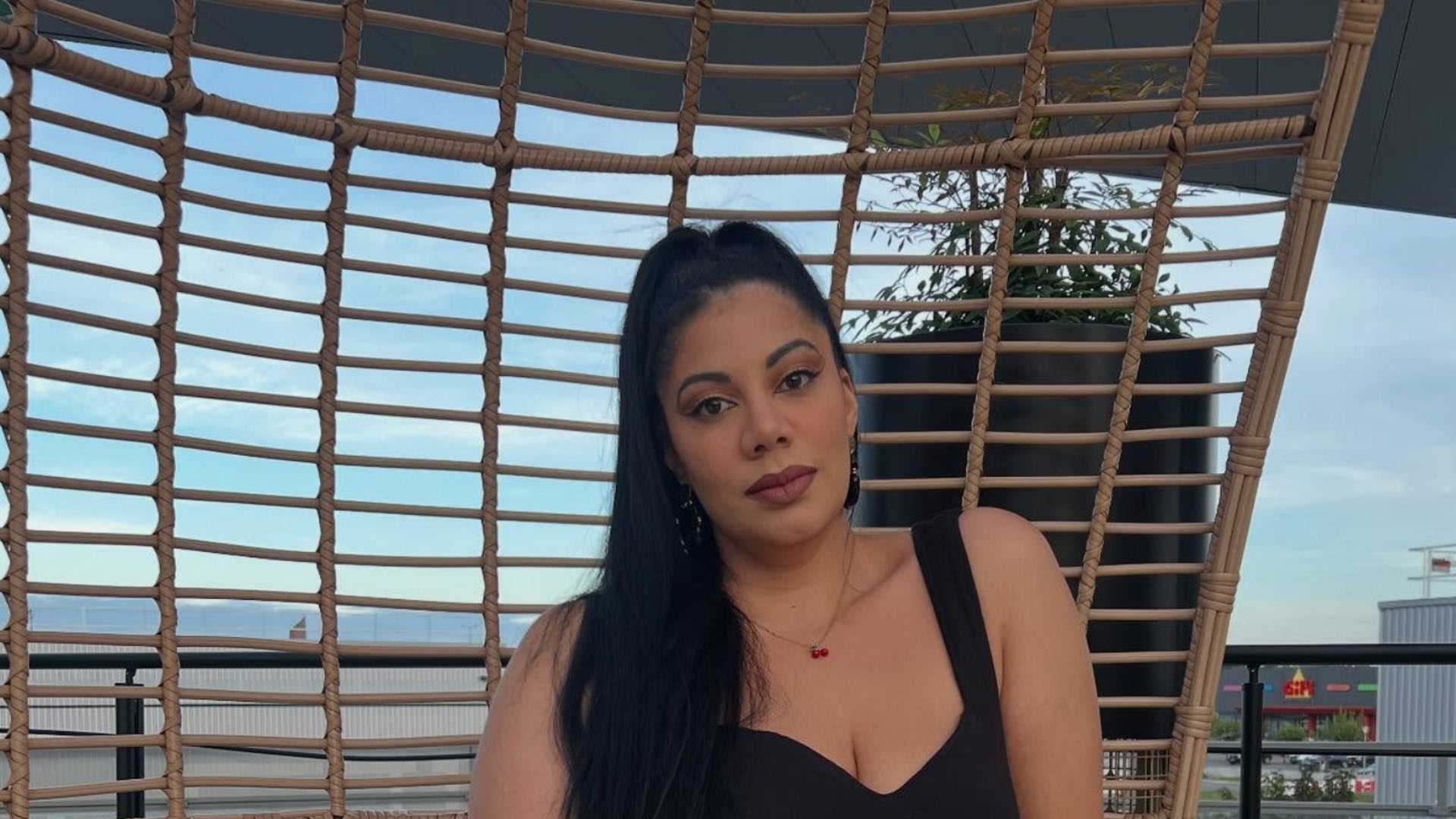
In recent years, fashion seemed to finally breathe freely. Diverse, assertive, and inspiring bodies occupied the space. Today, this momentum appears to be faltering. Amélie Doré, a plus-size model, is raising the alarm about what she considers "a subtle but real decline in inclusive fashion."
A face of body diversity brought to light
Discovered in 2021, Amélie Doré quickly became part of a rapidly growing movement: body positivity. At that time, fashion seemed ready to embrace all body types, regardless of size or shape. Curves were celebrated, living bodies were valued, and representation was finally becoming more accurate.
For Amélie, this recognition translated into a sustained professional activity, with several regular projects and genuine visibility. Her career embodied the idea that fashion could evolve, reinvent itself, and better reflect the reality of bodies. A promise that, for many, offered hope for lasting change.
View this post on Instagram
Opportunities that vanish without a sound
However, for the past few months, the situation has reversed. Professional opportunities have become scarce, collaborations are ending, and prospects are dwindling. Amélie has noticed a sharp drop in her contracts, going from a steady pace to just a few isolated projects over a long period.
This decline is not accompanied by any official statement or clear stance from the brands. Everything is happening in silence, as if the presence of plus-size models could be erased without explanation. This gradual disappearance calls into question the strength of the commitments made in recent years.
When inclusivity becomes a mere fad
For Amélie Doré, the heart of the problem lies in how the industry has approached body diversity. According to her, many brands have treated body positivity as a passing trend, a communication tool rather than a genuine conviction. Collaborations sometimes seemed motivated by a desire to jump on a popular bandwagon, use engaging keywords, and appeal to an audience seeking representation.
Once the trend has run its course, interest fades. Bodies that deviate from traditional standards are once again relegated to the background, as if they had never deserved a lasting place.
The influence of social media and the return of old norms
Amélie also observes a notable change on social media. On platforms like TikTok, content promoting thinness and encouraging weight loss is resurfacing. Messages about the "ideal body" before summer are gaining visibility and influencing collective perceptions.
These new standards, though old in essence, are once again shaping brand decisions. Diverse body types, representative of a large part of the population, are seeing their media presence shrink, to the detriment of a more inclusive and equitable fashion industry.
Continue to defend free and powerful bodies
Despite this difficult context, Amélie Doré refuses to be silenced. She continues her activism on social media, sharing messages of acceptance, respect, and appreciation for all body sizes. For her, body positivity goes far beyond fashion: it's about a peaceful relationship with oneself, a celebration of bodies as they are, without hierarchy or conditions.
Ultimately, Amélie Doré reminds us that inclusivity should never depend on trends. Representing all body types means recognizing the true diversity of bodies, their beauty, and their legitimacy. Amélie Doré's testimony thus raises a crucial question: is the fashion industry ready to make a genuine, long-term commitment, or will it continue to treat body diversity as a mere passing fad?