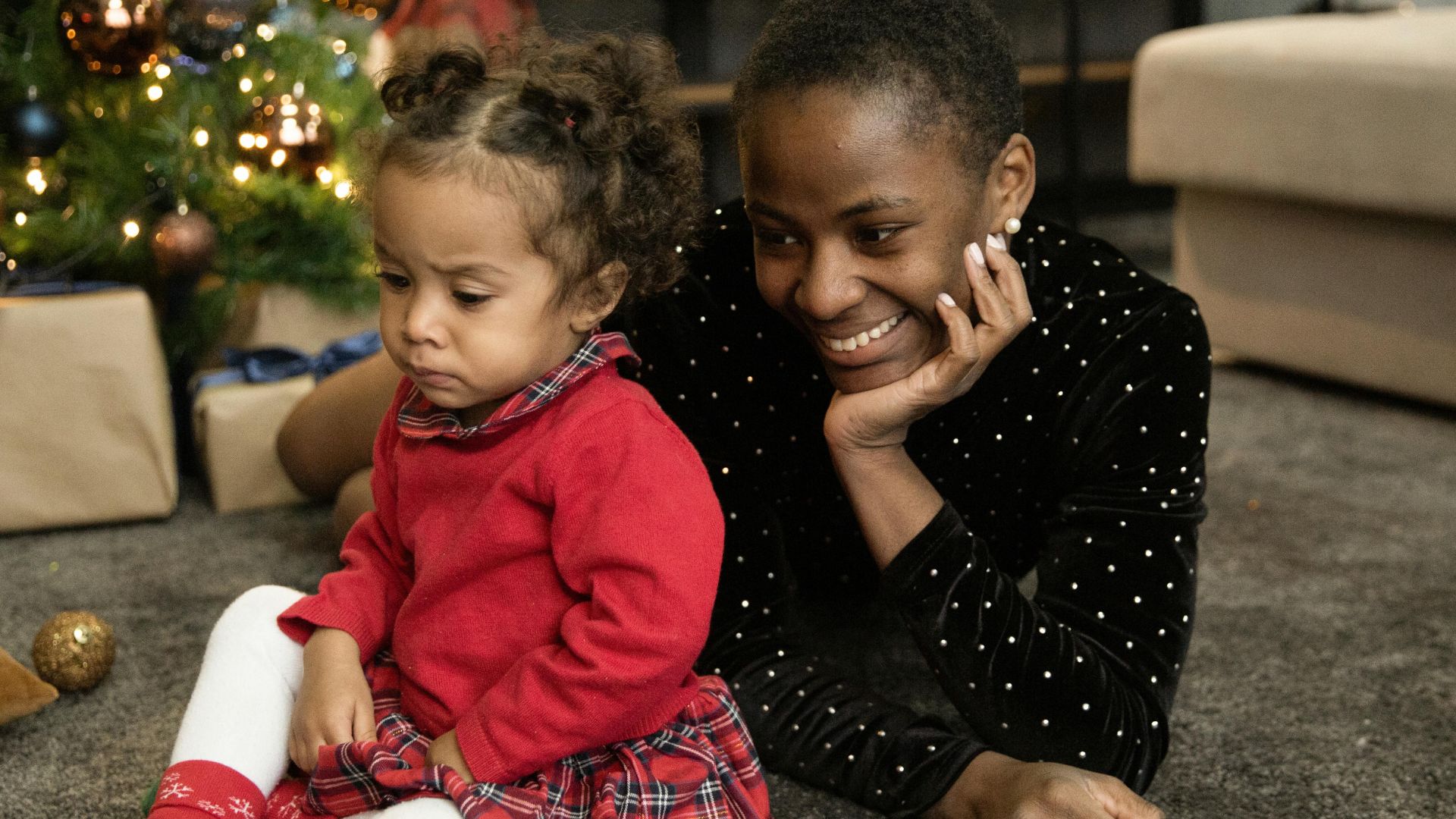
As the holidays approach, many adults succumb to the temptation of using Santa Claus as a bargaining chip to get good behavior from their children. However, according to family psychotherapist Fiona Yassin , this type of talk can leave lasting scars on the minds of young children. Here's a quick overview of phrases to avoid, and why they should be banished if you want to protect your children's well-being.
"You'll be put on the naughty list if you don't behave."
It's a classic Christmas preparation, but Fiona Yassin warns against it: it can cause anxiety, especially in children who already have psychological vulnerabilities. Indeed, associating behavior with fear ( "you'll be punished," "you won't get any presents" ) teaches children that they are "better" when they are good—and therefore "worse" when they aren't. The danger: they may mistakenly believe that their love or worth is contingent on their behavior. And this belief can become deeply ingrained.
"Santa Claus is watching you, pay attention."
A subtle but equally anxiety-inducing variation. The child may feel constantly watched and judged, even during seemingly insignificant moments. This imagined surveillance can generate stress and even prevent the child from acting spontaneously. Christmas is best left as a space of joy and freedom, not a place of constant control.
"Give a kiss/hug to…"
While it may seem harmless, insisting that a child kiss or hug someone—a grandparent, aunt, friend, etc.—can undermine their ability to respect their own body and consent. The child learns that their body doesn't entirely belong to them, that they must "obey" adult expectations regarding affection. In the long run, this can affect their understanding of boundaries and their right to personal space—essential lessons for their personal development.
"I deserve another slice of dessert."
During holiday meals, it's common for an adult to casually say, " I deserve a little extra" or "I earned this dessert." According to the expert, this type of phrasing sends a dangerous implicit message. It suggests that pleasure—in this case, the pleasure of eating—must be "earned." For a child, this can instill the idea that eating or experiencing pleasure is conditional, which contributes to establishing, consciously or unconsciously, a guilt-ridden or negative relationship with food. In the long run, this risks fostering eating disorders or an unhealthy relationship with pleasure and the body.
"Do Grandma a favor, finish your plate."
Under the guise of politeness and good intentions, this phrase teaches children to ignore their internal sensations—hunger, fullness—in order to meet the expectations of others. This can cloud their ability to listen to their body and reinforce the idea that pleasing adults takes precedence over their own feelings. Encouragement, yes. Forcing, no. Bodily autonomy is also developed at the table.
"Do you realize how lucky you are? There are children who have nothing."
Although motivated by a desire to broaden a child's horizons, this phrase minimizes their emotions. It teaches them that feeling frustration or disappointment is illegitimate. However, comparing doesn't make an emotion disappear; it silences it. Acknowledging a child's feelings is always more constructive.
"Smile a little, it's Christmas after all."
Even at Christmas, a child has the right to be tired, upset, or simply calm. Imposing a "correct" emotion on them is tantamount to denying what they truly feel. Allowing all emotions, including the less joyful ones, contributes to healthy emotional development.
"We tightened our belts to please you."
With the rising cost of living, this statement may seem honest, but for a child, it can cause stress and guilt. When a gift is presented as a "family sacrifice," the child may associate their own happiness or desires with constraints, or even injustice—a disturbing feeling when celebrating Christmas, a time that is supposed to be festive and joyful.
Why is it important to rethink these reflexes?
These phrases may seem innocuous, or even used in a humorous tone or as a tradition, but according to family psychotherapist Fiona Yassin, they have the potential to have a lasting influence on self-esteem, the relationship with food, the feeling of security and trust in the family, or even the awareness of respect and bodily consent.
If you've ever uttered one of these phrases, don't panic. The goal isn't perfection, but awareness. Adjusting your language means offering children a calmer, more respectful, and more secure environment. Christmas doesn't need to be perfect to be magical; above all, it needs to be gentle. By choosing positive, encouraging, and respectful words, you're giving much more than gifts: you're offering a solid emotional foundation, a healthy connection to the body, to food, to emotions, and to oneself. And that's a gift that lasts far beyond December 25th.
View this post on Instagram
Some tips to keep the magic of Christmas alive, without stress or guilt
- Prefer requests for cooperation rather than threats: "Could you help decorate the tree?" rather than "If you don't, Santa Claus won't come."
- Recognize positive behavior without making it a matter of merit linked to gifts - say "I like it when you help me, thank you" rather than "if you are good, you will get a gift" .
- Talk about money and budgets when the child is old enough to understand, but without placing the psychological burden on them.
- Respect children's bodies, their right to say no, even to a hug or a kiss - teach them consent from a very young age.
In short, the Christmas season is rich in emotions, magic, and traditions. This festive time shouldn't be synonymous with stress, guilt, or psychological pressure. By choosing kind words, full of respect and gentleness, you offer your children much more than a material gift: you instill in them a sense of security, confidence in themselves, and a belief in their own worth. In this way, Christmas can remain a warm and joyful time.