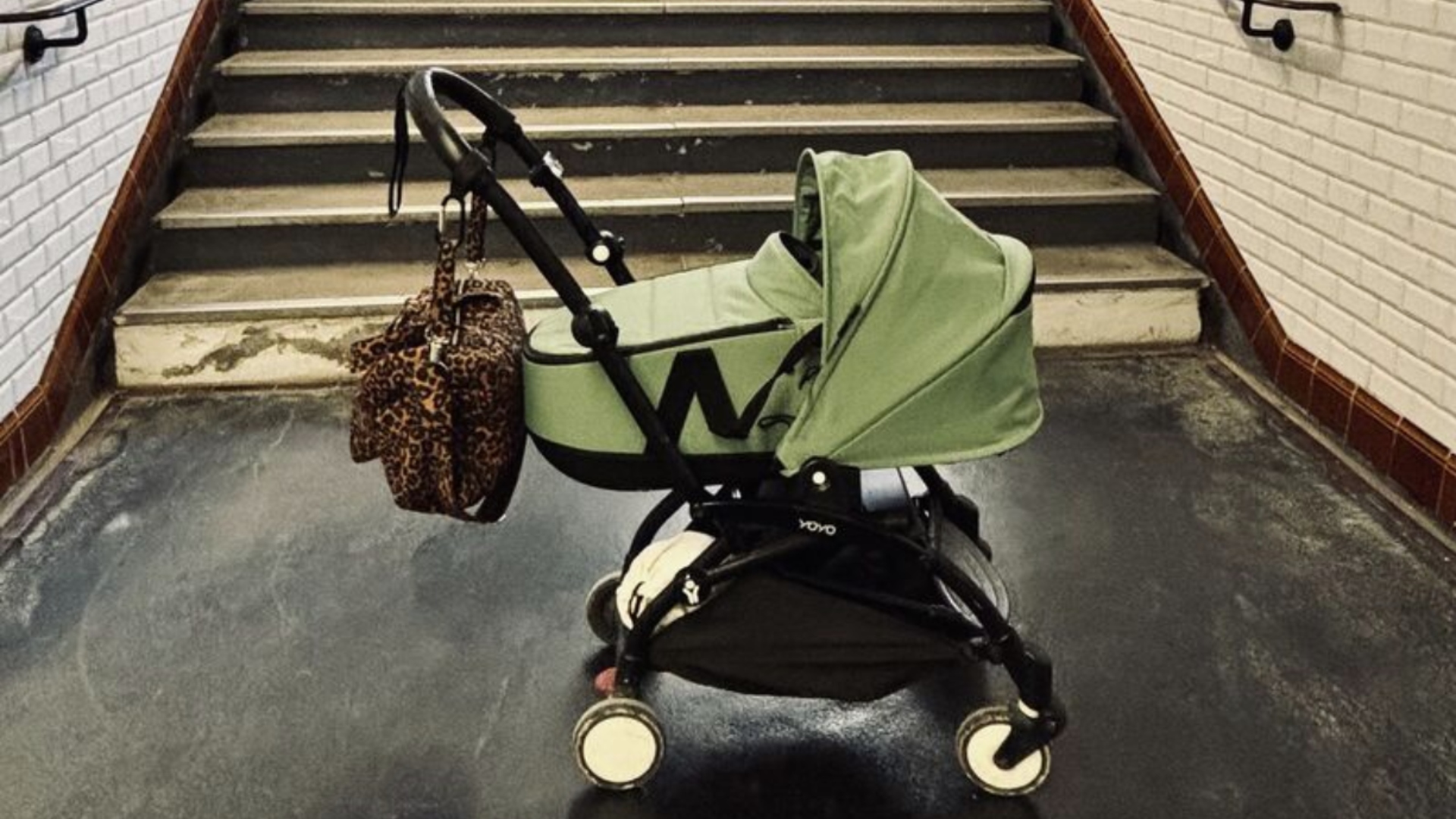
A stroller stuck at the bottom of the metro stairs, indifferent passersby, and an exhausted mother struggling to lift her baby alone. The seemingly ordinary image sparked a wave of reactions on social media. Charlotte Billot, a young Parisian mother, recounted her ordeal on the metro on LinkedIn, a story that went viral because it resonated so strongly with the reality experienced by many parents and people with reduced mobility. Her account highlights a long-standing problem: the inaccessibility of Parisian public transportation and the lack of everyday support.
A heartfelt cry that went viral
On LinkedIn , Charlotte Billot denounces a twofold problem: on the one hand, the complete lack of help from other passengers, and on the other, the inadequacy of the RATP network to meet the needs of parents. "No empathy, no respect," she writes, after two months of taking the metro with her infant. Her observation is bitter: out of ten passersby, only one person deigns to offer help, often a tourist or a foreigner.
This anecdote, far from being an isolated case, strikes a nerve: that of a society where individualism sometimes seems to supplant solidarity. The post resonated with a wide audience. More than 3,500 internet users shared it, expressing their own frustration with the inaccessibility of public transportation. While many expressed their support, others felt entitled to judge, suggesting the young mother use a baby carrier or stay home, revealing just how little understanding urban parenting still exists.
A structural problem: the inaccessible metro
Beyond the lack of support, Charlotte's story highlights a very real issue: Parisian public transport remains largely unsuitable for strollers, wheelchairs, and other mobility devices. Of the 303 stations on the Paris metro, only 29 are fully accessible to people with reduced mobility. Line 14 remains the only one fully equipped with elevators. For parents, every journey becomes an obstacle course, navigating stairs, narrow turnstiles, and a lack of appropriate signage.
Alerted by the viral nature of the message, the RATP met with Charlotte Billot to discuss potential improvements. Among the ideas discussed were an "assistance badge" for parents, pregnant women, and people with disabilities, as well as stair-free routes indicated on the RATP app. These are promising initiatives, but still insufficient given the scale of the problem.
A society at a crossroads
Charlotte's outburst goes beyond the simple struggle of finding a stroller. It raises questions about social values and the meaning of urban solidarity. Faced with maternal exhaustion and the burden of daily life, the refusal to help a mother or a vulnerable person reflects a worrying collective individualism. The episode has at least one merit: sparking a debate about accessibility and compassion. Charlotte's call for greater empathy resonates universally in a society searching for connection and meaning.
Ultimately, the story of this mother and her stroller is more than just a news item. It symbolizes a metro system that, despite its technological modernity, remains inaccessible to many users. It also reflects a society sometimes too rushed to lend a hand. While the RATP (Parisian public transport operator) promises improvements, the real change will undoubtedly come from each individual: a look, a gesture, a helping hand at the right moment. Because accessibility isn't measured solely by ramps or elevators, but also by humanity.