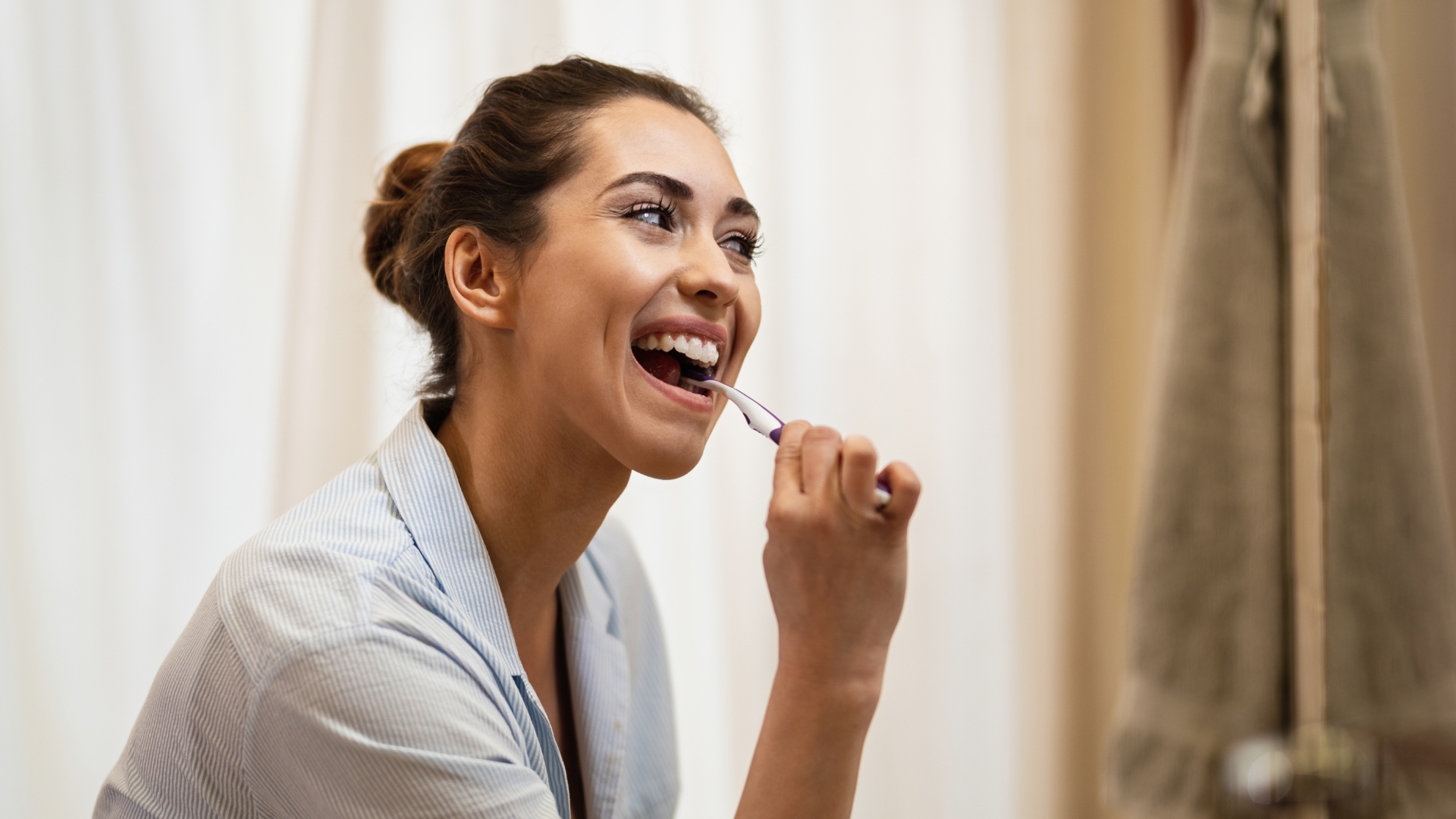
Nearly 70% of people rinse their toothbrush under water before applying toothpaste, believing it improves brushing. However, several dentists warn that this habit reduces cleaning effectiveness. A study published in the International Journal of Dental Hygiene confirms this.
Water dilutes the active ingredients in toothpaste.
Wetting the bristles alters their surface tension, reducing the toothpaste's adhesion. As a result, fluoride, antibacterial agents, and abrasives are rinsed away too quickly, losing 20-30% of their effectiveness, according to the study. Saliva is sufficient to activate the product—pre-wetting it with water wastes its key components.
The hairs become soft, brushing becomes less effective.
Soft toothbrushes are already recommended, and wet bristles make them even softer. The study measured a 15% reduction in plaque removal capacity. "Dry" brushing (direct application of toothpaste) removes residue better, especially on molars and gums.
Foaming too quickly = premature rinsing
The water creates excessive foam right away. We instinctively spit out the product sooner, limiting the contact time between the fluoride and the enamel (ideally 2 minutes). After brushing, don't rinse your mouth either: let the fluoride work for another 30 seconds.
Good, scientifically validated routine
- Dry brush + toothpaste.
- 2 minutes, all sides, soft and supple.
- No immediate mouth rinsing.
- Brush head down, dry for 24 hours.
Wetting your toothbrush before applying toothpaste may seem hygienic, but this study proves the opposite: dilution, soft bristles, and lost fluoride. Brush dry for optimal cleaning – your dentist will thank you!