
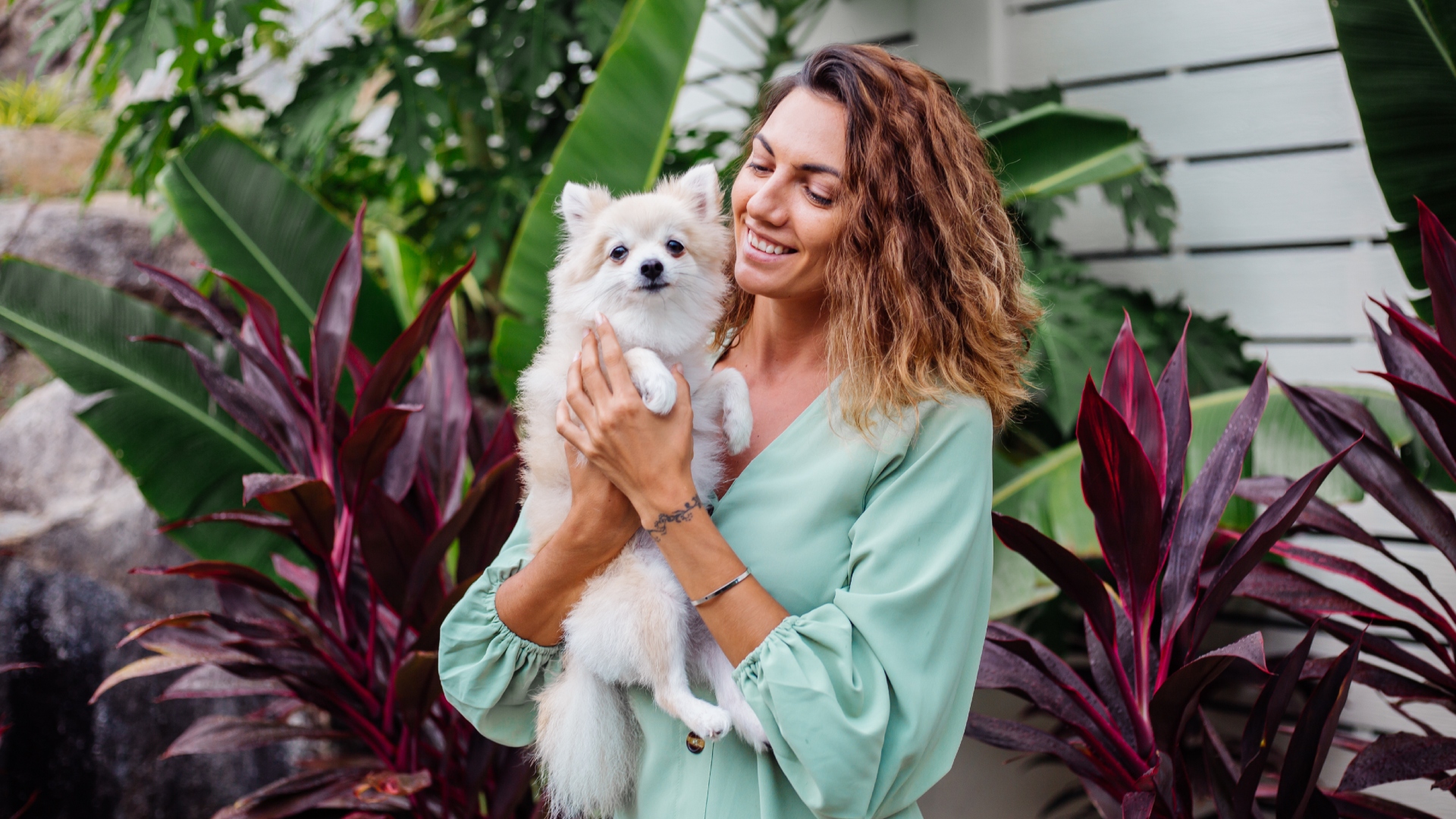
Today, a surprising yet revealing observation is emerging: the new generation seems to be abandoning traditional parenting in favor of pets. Between immediate affection, flexibility, and controlled costs, millennials and Generation Z are reinventing the concept of home and family ties.
A survey that confirms the global trend
According to a study conducted by Total.Vet with 400 childless American millennial women, 70% consider their pet a substitute for a child. Even more fascinating, 69% say it's easier to "raise" than a child, and 48% consider it less expensive.
Beyond the statistics, the testimonies reveal a deeper reality: these animals occupy a central place in their humans' lives, sometimes comparable to that of a child. Some participants organize their daily lives around their companion's needs, celebrate its birthdays, or take out specialized health insurance. The emotional bond is intense, sincere, and nurturing, offering a gentle and deliberate parenting experience, without the traditional compromises associated with raising a child.
South Korea: a striking example
The trend is also evident internationally. In South Korea, between 2019 and 2022, the number of registered dogs skyrocketed by 44.6%, rising from 2.09 million to 3.03 million. Sales of dog food even surpassed those of infant formula. Meanwhile, the fertility rate plummeted to 0.72, and doggy daycare centers are flourishing in major cities.
This phenomenon has given rise to a new term: "dinkwons" ("double income, no kids, with one or more pets"), referring to dual-income couples without children who invest heavily in their pets' well-being. Society is changing, and public policies, still focused on boosting birth rates, are struggling to keep pace with this cultural shift where dogs and cats are becoming true members of the family.
Flexibility, affection, and autonomy: why this choice is appealing
Why such a craze for animals rather than human parenthood? The reasons are many. Young people appreciate the simplicity of life with a pet: traveling or going out remains relatively easy, costs are generally lower, and affection is immediate and unconditional. More than just a companion, the animal becomes an emotional partner, capable of fulfilling the need for attachment without imposing the constraints often associated with parenthood.
This choice also reflects a redefinition of social and family norms. For many, starting a family is no longer a necessary step towards fulfillment. Owning a pet allows for the creation of a strong emotional bond while preserving one's autonomy and freedom. This is what we call "chosen parenthood": a conscious and positive way of investing in a relationship, without the sacrifices that traditional parenting demands.
A lasting and revealing trend
This phenomenon reflects profound changes: economic pressures, career priorities, modern loneliness, or simply the desire to live life to the fullest. Animals fill an emotional and social void while offering a gentle, rewarding, and joyful form of responsibility. They don't replace children, but they offer a viable and fulfilling alternative for people who wish to experience love and care on a daily basis, in their own way.
In conclusion, the rise of pets in contemporary homes is not simply a passing fad. It illustrates a cultural revolution where affection, freedom, and body positivity are taking precedence over traditional family models. The new generation is thus proving that it is possible to nurture strong and genuine bonds while maintaining a lifestyle that suits them. Between babies and furry friends, millennials and Generation Z seem to have made their choice: sometimes, the best companion can indeed be four-legged.

Il ne s’agit pas d’une tendance. C’est le résultat d’une gestion de l’administration publique par des économistes (en réalité, des comptables d’entreprise). Les économistes ne voient pas l’enfant et considèrent l’investissement des parents dans son éducation comme une fiction. De ce fait, ils conçoivent les impôts et les pensions comme contraires au système naturel.