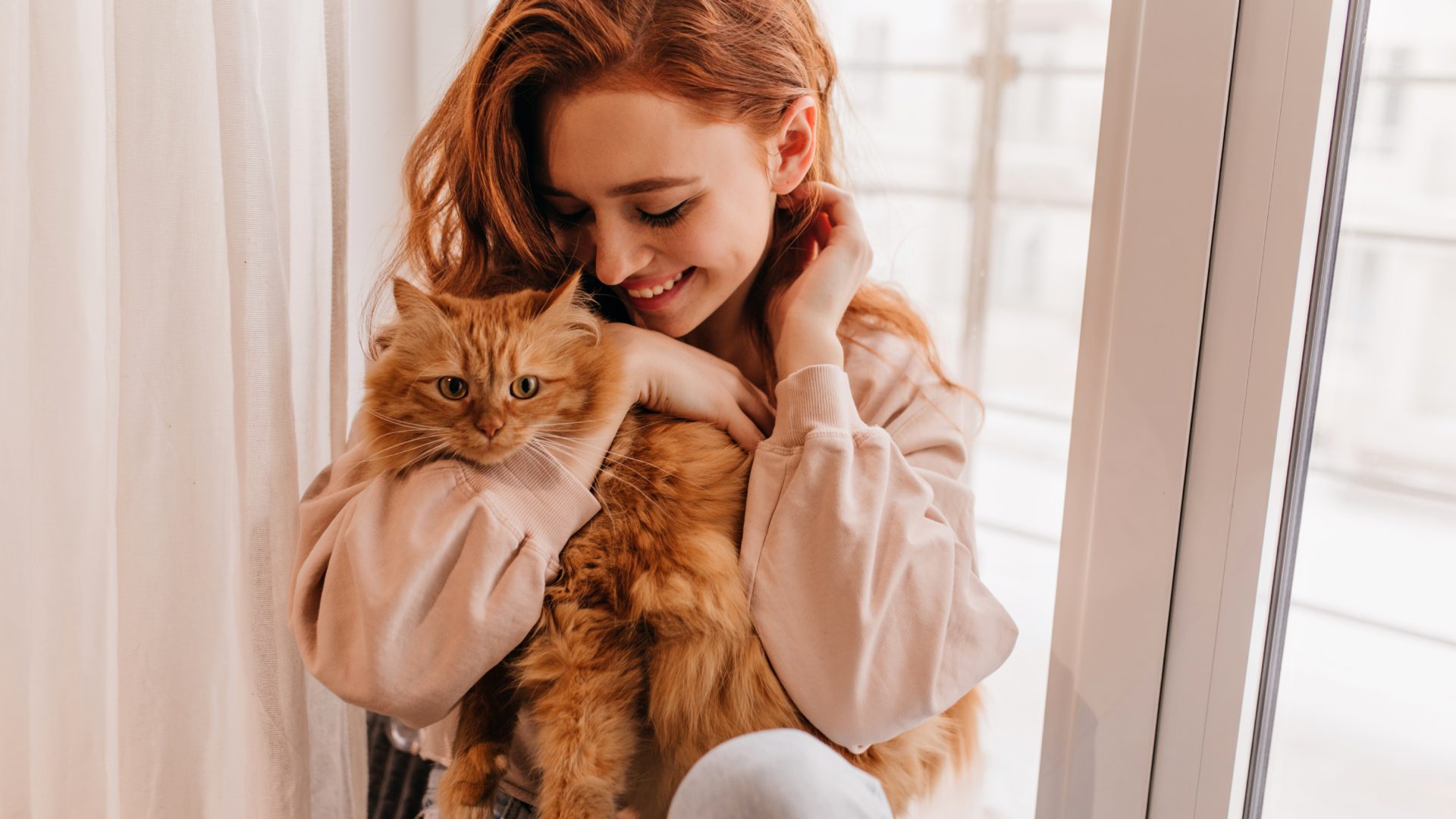
What if your cat were, in part, a mirror of yourself? A large British study , published in the scientific journal PLOS One, explored the link between human personality and the behavior of their domestic cats. No fewer than 3,331 owners participated in this research, allowing scientists to establish strong parallels between human traits and feline behavior.
When human anxiety creeps into the paw pads
The researchers relied on the well-known psychological model of the "Big Five": neuroticism, extraversion, openness to experience, agreeableness, and conscientiousness. The result? A bond that bears a striking resemblance to that between parents and children. People with high levels of neuroticism—in other words, marked emotional sensitivity, sometimes accompanied by frequent worry—are more likely to live with cats that are stressed, fearful, or aggressive.
These felines are also more prone to certain health problems, such as stress-related disorders or weight fluctuations. However, it's important to understand that the goal isn't to point fingers, but to understand. Researchers explain that less regular care or limited access to the outdoors can create a climate of insecurity for the animal. The cat then absorbs the emotional atmosphere of its home, much like an emotional sponge.
Organization and stability: a reassuring recipe for cats
At the other end of the spectrum, conscientious people—organized, reliable, and attentive to routines—often provide their cats with a predictable and secure environment. The result: calmer, more sociable, and generally healthier felines. Regular mealtimes, consistent veterinary visits, and well-defined spaces: this structure provides the cat with a sense of security essential to its well-being. Here, kindness is expressed through consistency, without rigidity, within a framework that respects the animal's natural needs.
Kindness and curiosity: cats more open to the world
Agreeableness, characterized by empathy and gentle interaction, is associated with greater satisfaction in the human-cat bond. Humans feel more connected to their pets and perceive their cats as balanced, affectionate, and comfortable in their own skin. For their part, people who are very open to new experiences often create rich environments: varied games, mental stimulation, and multiple interactions. Their cats then become more curious, sociable, and adventurous, fully expressing their feline personalities.
Extroversion, the driving force of exploration
Extroverted, dynamic, and outward-looking humans are more likely to let their cats explore the world beyond the living room. These felines are described as active, bold, and energetic. The owner's social drive seems to encourage the cat to gain confidence, explore, and assert itself. Again, this isn't a one-size-fits-all model, but rather a subtle interplay between two temperaments.
A living and reciprocal bond
Researchers emphasize a key point: the influence is not one-way. While your personality impacts your cat, its behavior also affects your emotional well-being. A calm cat can soothe an anxious human; conversely, a stressed feline can exacerbate certain tensions. This bond is therefore dynamic, fluid, and deeply interdependent.
Ultimately, rather than trying to change who you are, the study encourages cultivating self-awareness. Knowing your strengths, sensitivities, and lifestyle can help you provide your cat with a more suitable environment. A gentle and structured home can reassure a sensitive cat; a stimulating environment can help a curious feline thrive. In short, caring for your cat also involves a form of self-compassion.