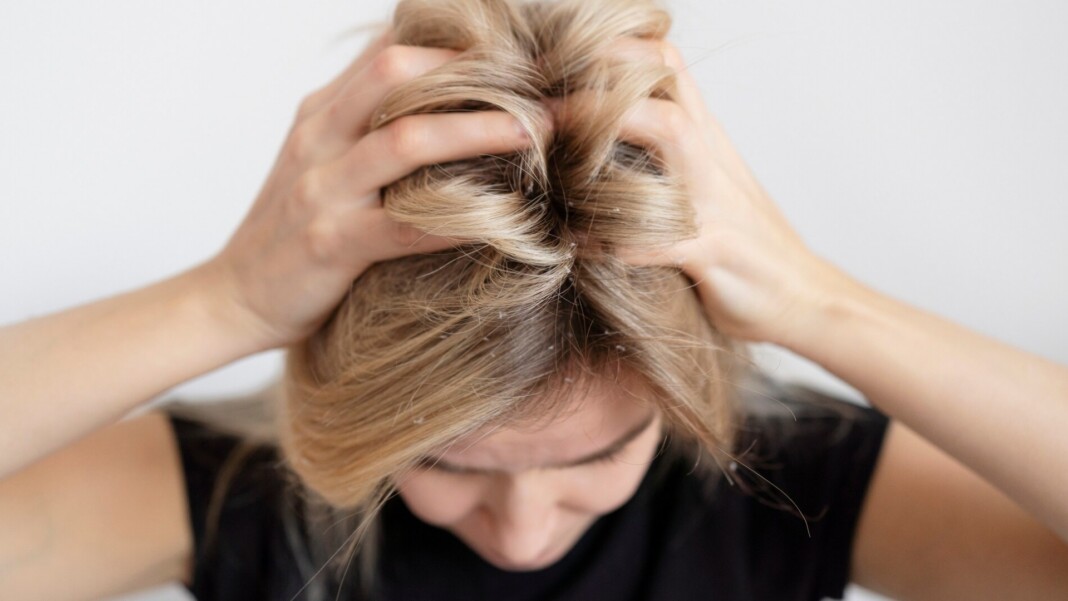
Shampoo in the morning, a sleek ponytail by evening: for many, this is a familiar and somewhat frustrating situation. Why does our hair get greasy so quickly, sometimes in less than 24 hours? The answer isn't always where you'd expect. In reality, several everyday factors, often overlooked, can play a much bigger role than simple genetics. Here's an overview of the most common causes, with advice from dermatologists.
Washing your hair too often: the rebound effect
This is the number one, and most paradoxical, cause. When you have oily hair, you tend to wash it every day. Except that this reflex, far from helping matters, can actually exacerbate the problem. According to the Columbia Skin Clinic , shampooing too frequently or too harshly irritates the scalp, which then starts producing even more sebum to protect itself. This is what's called the "rebound effect."
The culprit is often in the product's formula: shampoos containing sulfates (like sodium lauryl sulfate) tend to strip the scalp, which then overreacts by increasing sebum production. The solution? Space out your shampoos (every other day, or even less) and choose gentle formulas without harsh sulfates.


Hormones, those capricious allies
Sebum production is largely regulated by hormones, particularly androgens. And their fluctuations can turn our scalp into a veritable rollercoaster. Periods of stress, the menstrual cycle, pregnancy, menopause, or taking certain medications can all cause a sudden increase in sebum production. Healthline also points out that cortisol, the stress hormone, can play a direct role in the activity of the sebaceous glands. All the more reason to incorporate moments of relaxation into your routine.
The accumulation of styling products: a silent trap
Sprays, hairsprays, waxes, serums, leave-in conditioners… All these products, however effective they may be, can build up on the scalp and suffocate hair follicles. The result: a heavy feeling, a scalp that doesn't breathe as well, and sebum that builds up more quickly. Dry shampoo, in particular, is a good quick fix between washes, but if used too regularly, it ends up forming a layer that traps oils and residue. Ideally, use a clarifying shampoo or a gentle scalp scrub once a week to deeply cleanse without irritating the scalp.
Touching your hair (or tying it up when wet)
It's a seemingly harmless and often unconscious gesture, but it's important. Running your fingers through your hair or manipulating it throughout the day transfers sebum from your hands to the lengths of your hair. The same goes for pillowcases and covers that aren't changed regularly, or hairbrushes that are never cleaned: they accumulate sebum, dead skin cells, and product residue, which is then redeposited on your hair the very next day.
Climate, diet, and specific cases. Climate also plays a role: heat and humidity stimulate sebum production, while perspiration makes it more visible. An unbalanced diet, rich in sugars or ultra-processed foods, can also promote inflammation and therefore excess sebum. Conversely, omega-3 fatty acids (found in oily fish and flax seeds) help regulate sebum production. In some cases, hair that becomes greasy very quickly can also be linked to seborrheic dermatitis, a skin condition that affects approximately 11% of the population, according to the Cleveland Clinic . If oiliness is accompanied by greasy dandruff, itching, or persistent redness, it is best to consult a dermatologist, who can offer appropriate treatment.
Having hair that gets greasy quickly is neither inevitable nor a sign of poor hygiene. It's often the result of minor imbalances between our hormones, our hair care routine, and our daily habits. By spacing out shampoos, choosing gentle formulas, and caring for your scalp as you would your skin, you can gradually achieve lighter hair for longer. And above all, you learn to work with your scalp in a healthy way.