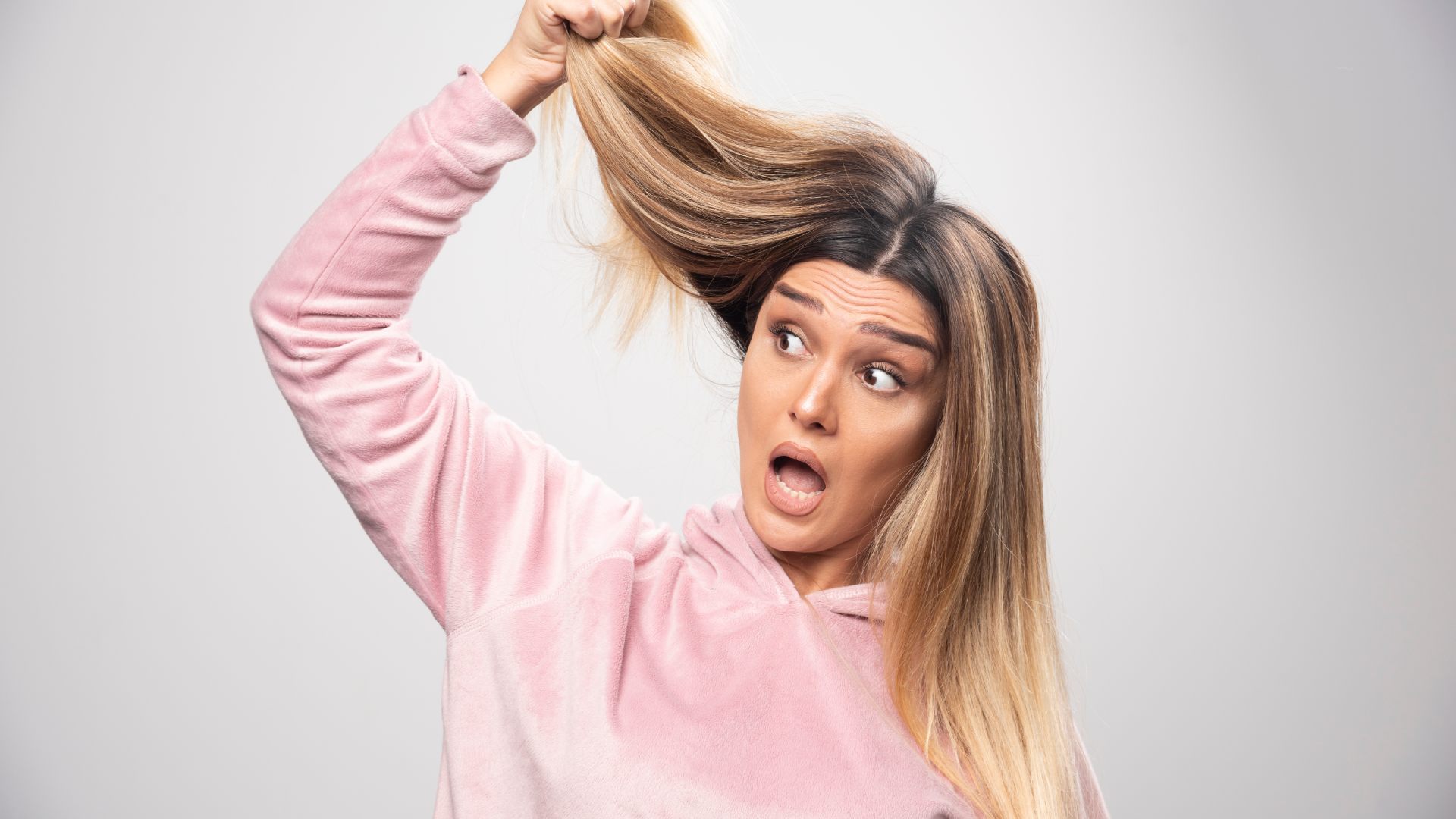
With the arrival of spring, you might feel like your hair has changed. More static, a little flat, or slightly dull, it sometimes seems to be resisting the warmer weather. Rest assured: this phenomenon is very common and is mainly due to the effects of winter on the hair fiber and scalp.
The dry winter air puts hair to the test
During the colder months, the air becomes much drier. Between the low temperatures outside and the heating inside, the ambient humidity drops considerably. As a result, your hair loses some of its natural moisture. When the hair fiber lacks water, it becomes drier and more susceptible to external aggressors. Friction, styling, or even just wearing a scarf can then make hair look duller and harder to manage.
Dermatologists also explain that this dryness weakens the hair cuticle, the protective layer that surrounds the hair fiber. When this barrier is less smooth, light reflects less effectively, making hair appear less shiny. This doesn't mean your hair is "damaged" or "problematic." It's simply reacting to its environment, just like the rest of your body.
Static electricity, the big star of winter
If your hair seems to have a mind of its own when you take off your hat, you're definitely not alone. Static electricity is especially common in winter. It occurs when hair accumulates an electrical charge due to friction. Hats, coats, or scarves—especially those made of synthetic materials—can exacerbate this phenomenon.
In dry air, this electrical charge dissipates less easily. The hairs then repel each other, creating the infamous "static hair" effect that can sometimes be difficult to control. This is neither a flaw nor a sign of "difficult" hair: it's simply physics.
Why hair looks flatter
At the end of winter, some people also notice that their hair looks less voluminous.
- Frequently wearing hats or caps can compress the roots for several hours. This temporarily causes the hair to lose its natural movement and appear flatter.
- The scalp can also slightly change its behavior during the cold season. To protect itself from the cold and lack of humidity, it may produce a little more sebum.
- This extra sebum can weigh down the roots and give the impression that the hair lacks volume, even if its structure remains the same.
Winter also affects the body
The hair changes observed at the end of winter are not solely related to the climate. The cold season can also influence the body as a whole. Lack of sunlight, changes in lifestyle, and seasonal hormonal shifts can all play an indirect role.
Some research suggests that hair loss may be slightly more pronounced at certain times of the year, particularly at the end of winter. However, these variations are perfectly natural: hair follows a growth cycle that evolves throughout the year.
How to help your hair regain its shine
Good news: with the return of spring, hair often gradually regains its balance. The air becomes more humid and winter damage diminishes. A few simple steps can also give it a little boost:
- hydrate the lengths with nourishing treatments
- limit friction with synthetic fabrics
- Opt for gentle and protective products.
- avoid hairstyles that are too tight
The idea is not to "correct" your hair, but rather to gently guide it.
After all, hair—like the body—changes with the seasons, habits, and environment. And this ability to adapt is also part of its natural beauty.