When temperatures drop, the first instinct is often to put on even more clothes. However, piling on sweaters isn't necessarily the best strategy. To stay warm while maintaining a comfortable silhouette and freedom of movement, it's all about layering… and especially choosing the right fabrics.
Why piling up clothes isn't always enough
A chunky sweater, a thick jacket, an oversized scarf, and then a coat on top: on paper, the more layers you wear, the warmer you should be. In reality, it's not that simple. The secret to thermal insulation lies largely in the air trapped between the fibers and the different layers of clothing. However, when you pile on too many items or choose clothes that are too tight, the fabrics compress. As a result, less air circulates and the insulating effect diminishes.
Another problem: perspiration. If you're too hot because you're overdressed, your body can sweat. When this moisture remains in contact with the skin, it eventually cools you down and can cause that unpleasant feeling of cold you were trying to avoid. The good news? You don't need to disappear under a mountain of clothing to face winter.
The rule to remember: three layers, three missions
Inspired by techniques used outdoors and in the mountains, the three-layer method is based on a simple principle: each layer has a specific function.
- The first layer helps manage moisture,
- The second one retains heat.
- The third one protects against external elements, such as wind or rain.
The goal is not to layer clothes mindlessly, but to choose three complementary layers. By allowing some air to circulate between them, you create effective insulation while maintaining a lighter look and a silhouette in which you can move comfortably.
First layer: choose breathable materials
This is the layer worn directly against the skin, and it's far from being a minor detail. Its main role is to wick away moisture to prevent it from becoming trapped against your body.
Merino wool is particularly prized for this function. Fine, comfortable, and able to help regulate temperature, it's an excellent option when the mercury drops. Synthetic fibers, such as technical polyester, can also be effective at wicking away perspiration.
However, cotton isn't always the best choice when you're exposed to cold weather and are very active. This material easily absorbs moisture and can retain it, which can create a feeling of coldness once your body becomes less active. A lightweight, long-sleeved top, well-chosen and comfortable to wear, can therefore make a real difference.
Second layer: create a heat bubble
This is the insulating layer, the one that helps retain body heat. The idea here is to trap as much air as possible without adding excessive bulk. A fleece, a knit vest, a lightweight quilted jacket, or even a thin down jacket can do the job. Depending on the temperature, you can also opt for a slightly thicker shirt or a lightweight knit.
The principle may seem counterintuitive, but several thin, well-chosen layers can be more effective than a single bulky garment. They create different air pockets and, above all, allow you to better adapt to your day. Too hot on public transport or at the office? Simply remove a layer. This way, you stay comfortable without having to endure temperature fluctuations.
Third layer: creating a barrier against wind and moisture
The final layer isn't just for adding warmth. Its main purpose is to prevent wind, rain, or external humidity from disrupting the work done by the first two layers.
A windproof jacket, a lightweight parka, a waterproof and breathable garment, or clothing with a technical membrane like Gore-Tex can be suitable depending on the conditions. Again, thickness isn't necessarily the most important factor. A relatively thin but well-designed windproof jacket can sometimes be more effective than a very thick coat that lets cold air in through the collar or vents.
How to stay warm without sacrificing your style
One of the great advantages of this technique is that it allows you to play with clothing rather than simply layering it. A shirt can peek out from under a sweater, a collar can add contrast, and a shorter piece worn over a longer layer can create dimension. You can also vary textures to create an outfit that reflects your personal style.
Above all, this method doesn't aim to force your body into a standardized silhouette. The key is to choose clothes you feel comfortable in, that allow you to move freely, and that reflect your personal style. A slightly looser layer can actually be more effective than a tighter one, as it allows for better airflow and insulation.
Mistakes that can make you feel even colder
For the system to work, there are a few pitfalls to avoid.
- The first is to choose clothes so tight that they compress all the layers against each other. Without space to trap air, the insulation becomes less effective.
- The second mistake is wearing too many layers without considering their breathability. Too much heat can lead to sweating, and the resulting moisture can quickly make you feel cold.
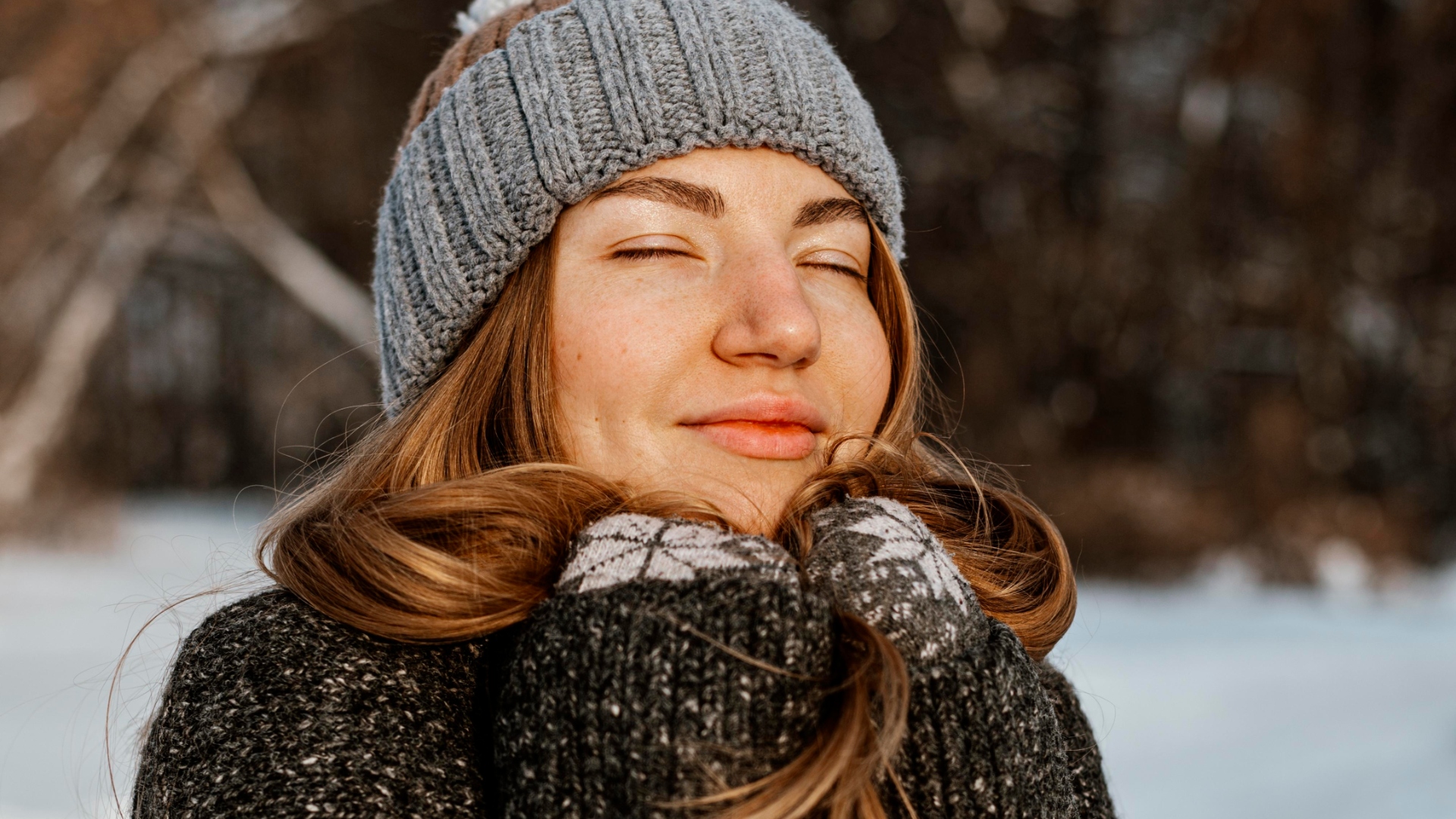
- Finally, don't forget your extremities. Your hands, head, neck, and ankles are often exposed to the cold. A hat, gloves, suitable socks, or a scarf can effectively complete your outfit without needing to add yet another sweater.
To stay warm, the best approach isn't necessarily to pile on as many layers as possible. The secret lies in balance: good fabrics, a little air between the layers, and enough freedom to keep your body comfortable. This will allow you to get through cool days without feeling constricted, overheating, or turning your outfit into a tangled mess that's impossible to remove.