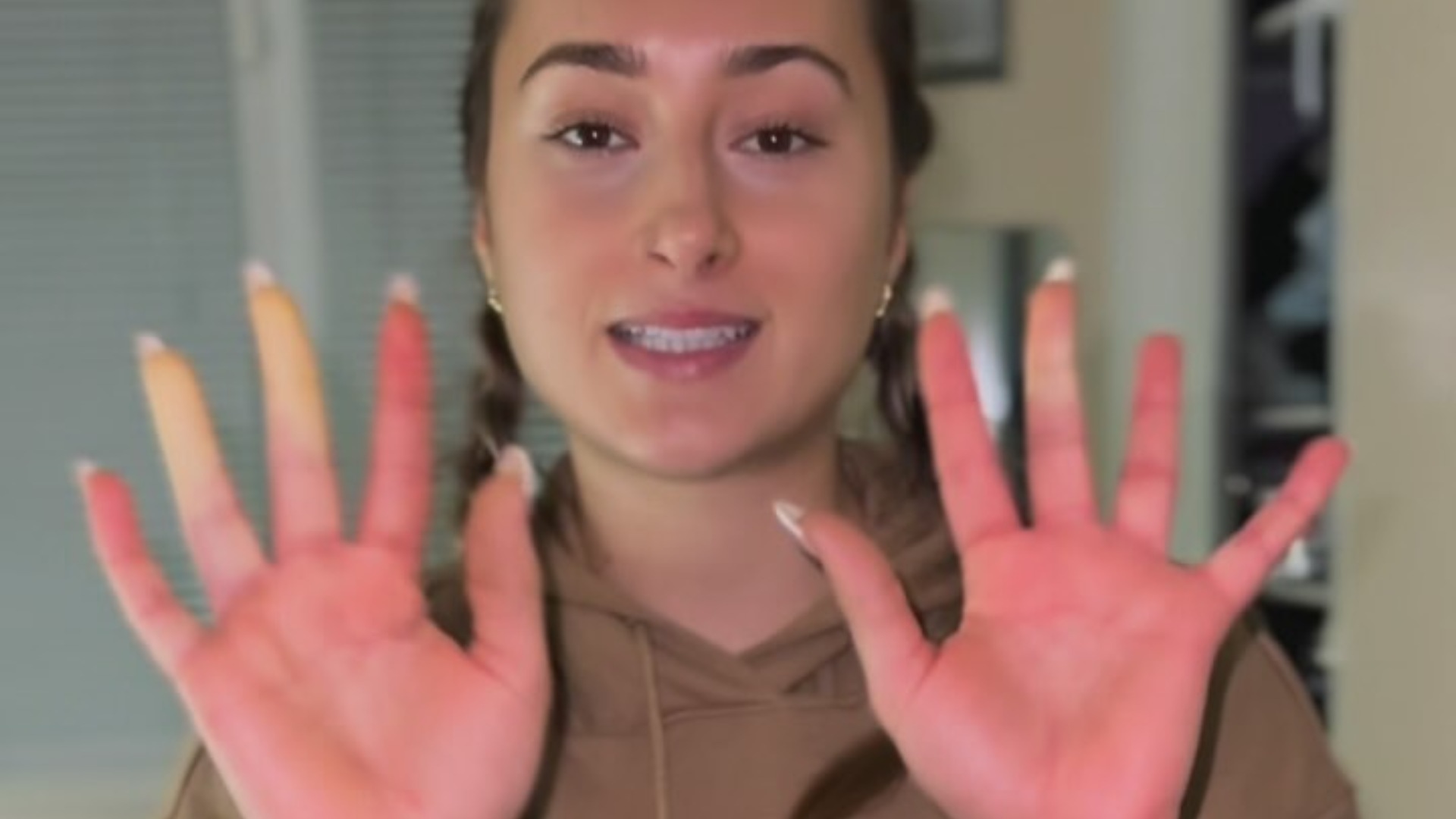
Do your fingers turn white and suddenly become painless when exposed to cold? It's as if that part of your body has died. This isn't just the effect of low temperatures. It's a rather dramatic, but quite common, condition: Raynaud's syndrome. And contrary to what you might think, it's not a phenomenon specific to old age.
Raynaud's syndrome, an underestimated disease
If every winter outing leaves your hands feeling almost lifeless, unresponsive, and abnormally white, it's not just a skin condition. You may be suffering from Raynaud's syndrome without even realizing it. This still poorly understood condition turns your fingers into ice cubes . When you have an attack like this, you're completely overwhelmed. Quite simply, you lose all feeling in your extremities. You can pinch them, scratch them, bite them—your hands are numb or in a comatose state.
Raynaud's syndrome is a vascular phenomenon. Specifically, the small blood vessels in the fingers (or sometimes the toes, nose, or ears) constrict excessively in response to cold or stress. This constriction temporarily reduces blood flow, causing the characteristic whitish or bluish discoloration. When circulation returns, the fingers may become red and tingly, sometimes even causing a burning sensation.
There are two forms: primary Raynaud's, often benign and isolated, and secondary Raynaud's, linked to another disease, such as certain autoimmune disorders. In either case, it is never a pleasant experience, but knowing how to recognize the phenomenon is the first step to managing it better.
View this post on Instagram
Why are some people more affected than others?
Raynaud's syndrome is not a disease of the elderly that appears late in life. It affects women more than men and often appears before the age of 30. It can be hereditary: if your mother or sister suffers from it, you are more likely to be affected. Emotional stress or prolonged exposure to cold triggers attacks, but sometimes so subtly that these symptoms are mistaken for simple shivering.
Certain professions or habits also increase the risk: working on a computer, handling vibrating tools, smoking, or drinking a lot of coffee can accentuate the reactivity of blood vessels. Initially, Raynaud's syndrome can be frightening and cause anxiety, especially if you are prone to hypochondria.
How to recognize Raynaud's syndrome
How can you tell if you just have icebergs for hands or if Raynaud's syndrome has struck your knuckles? What distinguishes Raynaud's from a simple passing cold is the regularity and sequence of the color changes.
The fingers typically change color from white (lack of circulation) to blue (lack of oxygen) and then to red (reactivation of blood flow). These episodes can last from a few minutes to an hour. If you notice that these episodes recur every winter, or if they occur even at moderate temperatures or during periods of stress, it is recommended that you speak to your doctor.
How to limit the symptoms
This syndrome, which would delight our beloved Wednesday Addams, is not inevitable. You are not doomed to spend the rest of winter with numb fingers. The first rule is simple: protect your extremities. Warm gloves, thick socks, a hat, and even hand warmers can reduce the frequency of attacks. Cold isn't the only enemy: stress also constricts blood vessels, hence the benefit of relaxation techniques such as deep breathing, yoga, or meditation.
Certain everyday tips can also make a big difference. Avoiding tobacco, limiting caffeine, and exercising regularly to stimulate blood circulation are simple actions that can make a difference. In more severe cases, a doctor may prescribe medications that dilate blood vessels and improve blood flow.
Raynaud's syndrome is particularly debilitating because it affects a part of your body that you use almost constantly. However, you can take action and regain control over your movements, provided you are kind to yourself. Gripping the steering wheel, opening building doors... these will no longer be an ordeal but a routine task.