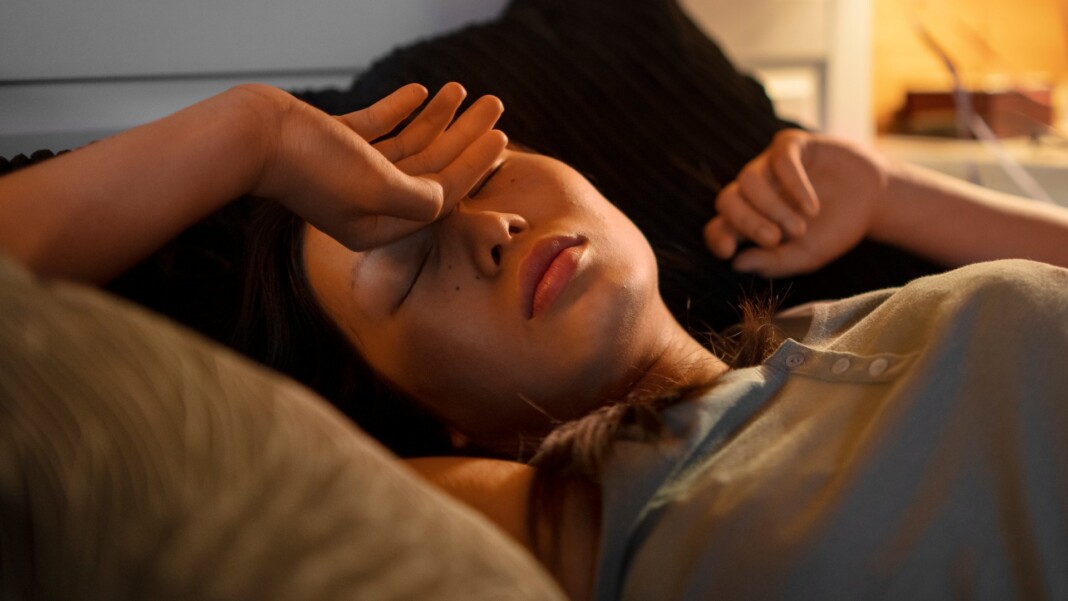
During childhood, we spend our nights by the light of a nightlight, and sometimes this comforting ritual continues into adulthood. This little ambient light reassures us and prevents us from mistaking the pile of clothes on the chair for a burglar. While some people need total darkness to fall asleep, others prefer to see their surroundings. Yet, sleeping with the light on is a bad habit for the heart.
Sleeping with the light on isn't good for the heart.
When you're a child and still believe in the monster in the closet, you ask for a little nightlight. Or you ask your mom to leave the hallway light on until you're asleep. Even if your parents constantly told you, "This isn't Versailles," once night fell, they allowed you this privilege. As an adult, you sometimes keep this habit, and not just on special occasions when turning off the light switch requires superhuman strength. Your nightlights stay on from bedtime to wake-up time, and they're kind of like your security blanket. They soothe your fears and give you a sense of control over your surroundings.
But here's the bad news: our hearts disagree and silently suffer from this nighttime habit. We may not feel like we're damaging them, nor hear them cry out for help, but in the long run, this practice can have dramatic consequences. This is the conclusion of a study conducted by researchers at Flinders University. To carry out their research, they followed nearly 90,000 adults for ten years. The participants, the majority of whom were in their sixties, had radically different sleep habits. Those who slept with the light on had a 42% higher risk of having a heart attack.


"This link has proven consistent, regardless of physical activity level, diet, smoking, or genetic predisposition to heart disease," StudyFinds explains. Whether this light emanates from a television screen, a dim lamp, or an LED panel, its intensity makes no difference. This light, which soothes our psychological distress, simultaneously exacerbates cardiovascular disease.
Light confuses the body and prevents it from repairing itself.
It's no coincidence that experts recommend turning off screens an hour before bedtime. Artificial light, whether blue, white, yellow, or Barbie pink, tricks the body and keeps it in a state of wakefulness. Scientists are unanimous on this point: light, however soothing it may be, is a disruptive element. It interferes with melatonin secretion and throws off the circadian rhythm, the internal clock that synchronizes the body with the day-night cycle. And just one small glitch in the mechanism is enough to affect the entire body.
The nervous system remains highly active, the heart rate increases, and stress hormones surge. This sometimes explains those very unpleasant palpitations upon waking, often attributed to a bad nightmare. "In the long run, living in an artificially bright environment tricks the body and plunges it into a state of chronic alert, preventing it from resting and repairing itself properly," explains the Business Standard . Another finding of the study, and a significant one at that, is that women are on the front lines and suffer more severely from the effects of this nighttime light. The term "light pollution" has never been more accurate.
Good habits to protect your heart while sleeping
The heart, which is literally our engine, is already put under considerable strain daily with stress, so there's no question of mistreating it during sleep, the only moment of respite available. It's advisable to turn off all the lights and, if necessary, cover any incandescent parts of the router or TV. Also, turn your phone face down on the furniture (yes, that matters). Invest in blackout curtains if outside light comes through your windows. Here are some other tips to take care of your already overworked heart:
- Maintain a comfortable room temperature. Between 18 and 20°C is ideal for promoting restful sleep and avoiding cardiac stress.
- Adopt a suitable sleeping position. On your back or left side to facilitate blood circulation and reduce pressure on the heart.
- Limit stimulants before bedtime. Coffee, tea, alcohol, or heavy meals can increase heart rate and blood pressure.
- Managing stress and anxiety. Breathing exercises, meditation or quiet reading before bedtime reduce nighttime palpitations.
- Maintaining a regular schedule. Going to bed and waking up at fixed times stabilizes the circadian rhythm and supports heart health.
- Watch for warning signs. Palpitations, shortness of breath, or nighttime chest pain should prompt a visit to the doctor.
Sleeping with the light on might seem harmless, but from the inside, it's not as innocent as it appears. However, the goal isn't to suffer from insomnia, so if light is truly a source of well-being, opt for red nightlights.