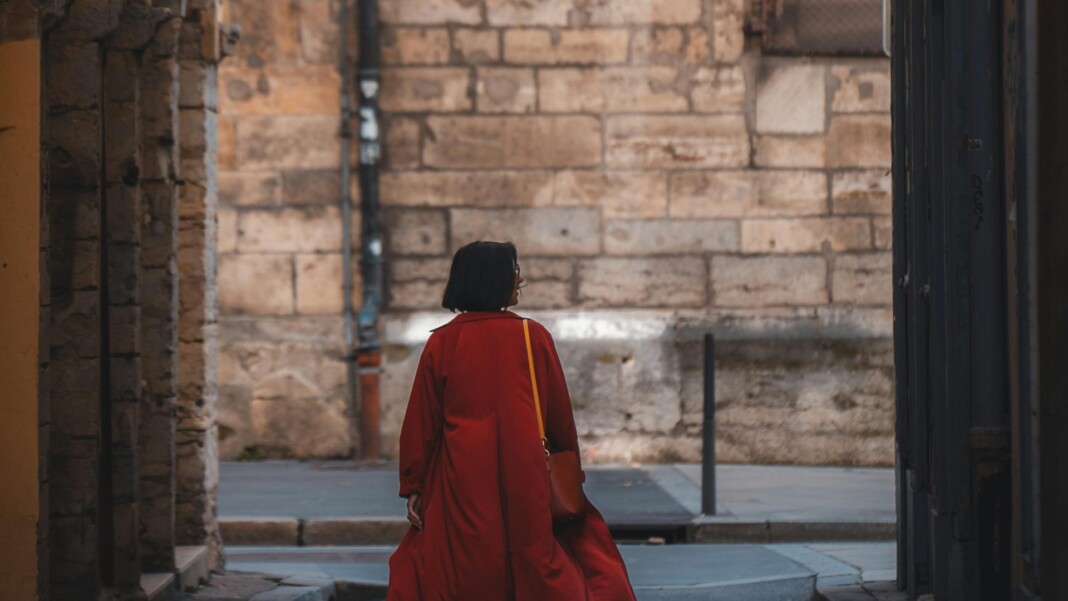
Being single is no longer necessarily seen as something to be waiting for or a limbo. For many women, being single is becoming a deliberate, assertive, and sometimes even fulfilling choice. This evolution reflects both social transformations and new ways of envisioning freedom.
An increasingly visible lifestyle
The figures show a lasting trend. According to projections by the Morgan Stanley firm , nearly 45% of American women aged 25 to 44 could be single by 2030, a historically high level.
In France, too, the phenomenon is noticeable. Several studies indicate that a significant proportion of young adults declare themselves single by choice. In other words, being single is no longer simply seen as a passing phase before "real life": it can be a life in its own right.


Fed up with dating apps
Among the reasons often cited, dating app fatigue comes up regularly. Scrolling through profiles, having numerous conversations, dealing with sudden silences, starting all over again… this process can eventually become tiresome.
Some women prefer to leave this system rather than conform to it. Not because they are closed to love, but because they no longer wish to devote their energy to relationship codes they find exhausting. The message is clear: if the search for love feels like a second job, many choose to hang up their badges.
When the couple costs time and energy
Another major factor is the unequal distribution of responsibilities in many heterosexual couples. Studies on mental load show that women often continue to shoulder a large part of the daily organization: appointments, shopping, family logistics, and constant anticipation.
Added to this can be a subtle but very real emotional burden: listening, soothing, supporting, managing tensions. For some, remaining single allows them to reclaim time, mental space, and precious energy. It's not about rejecting connection, but about rejecting imbalances.
Financial independence changes the rules
For a long time, being in a couple also represented a form of economic security. Today, many women have incomes, careers, and independent projects. This independence profoundly changes the landscape. Being in a couple is no longer a material necessity, but an emotional choice. Partnership becomes an additional option, not a social obligation.
When you can build a stable, comfortable and stimulating life on your own, the criteria for love naturally evolve: you are no longer looking for "someone at all costs", but for a truly enriching relationship.


Chosen celibacy now has a name
New terms are emerging to describe this reality: "delibat," a contraction of "deliberate" and "celibacy," or even "sovereign celibacy." The idea is simple: some people are not single "for lack of a better option," but because this lifestyle suits them.
Researchers like psychologist Bella DePaulo have also popularized the concept of "singlism," which refers to the prejudices against single people: assumed to be incomplete, waiting, or necessarily unhappy. However, more and more women are claiming the opposite: they feel whole, fulfilled, and free.
Being single doesn't mean being alone
Choosing not to be in a relationship doesn't mean choosing isolation. Many women invest deeply in their friendships, family ties, passions, or personal projects. Being in a couple is no longer the sole center of emotional gravity. Other forms of attachment exist, just as rich and fulfilling. This broader perspective on relationships allows for building a full, warm, and connected life, without necessarily having to be in a couple.
Ultimately, it's not about opposing relationships and being single. Some women thrive in relationships, others on their own, and still others alternate between relationships depending on the stage of their lives. The essential point lies elsewhere: being able to freely choose what suits you, without pressure or expectations. Because today, success in life is no longer simply about "being in a relationship." And for many women, true romance sometimes begins with themselves.