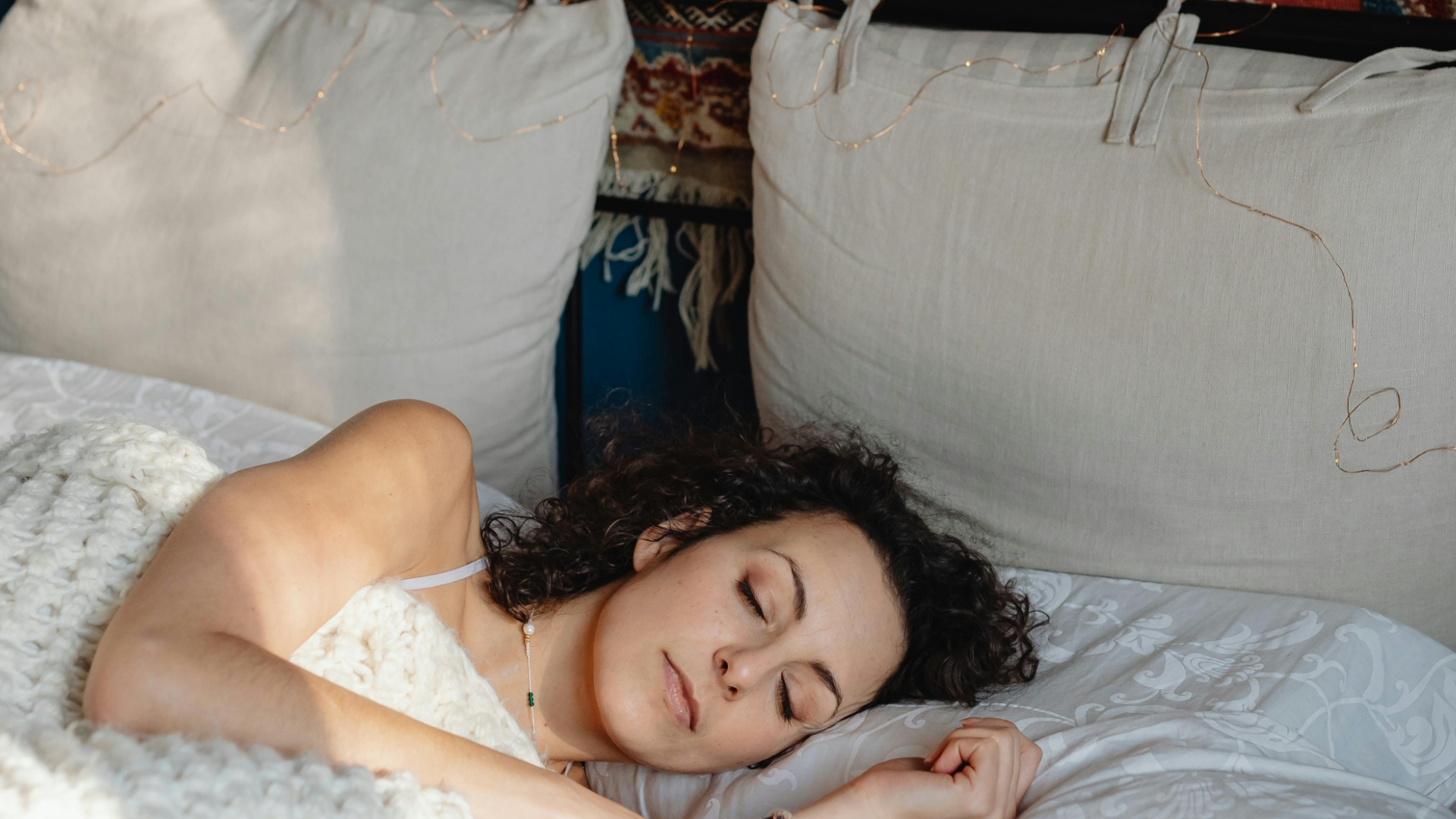
As the summer holidays approach, a new travel trend continues to attract more and more French people: "sleep tourism." The concept ? To travel not to visit a city or a country, but simply to catch up on sleep. This approach speaks volumes about the fatigue accumulated by working people in recent years.
What exactly is "sleep tourism"?
"Sleep tourism"—literally "sleep tourism"—refers to a type of vacation entirely designed around a single objective: to allow travelers to sleep better. The idea is as simple as it is radical: rather than taking time off to "do things," vacationers use it to make up for the sleep deficit accumulated throughout the year.
Born two or three years ago in several countries, the concept has since spread. It can now be found in North America, Asia, Scandinavia, Switzerland, Spain and even France, where several establishments have started to position themselves in this particularly promising niche.
Why is this trend emerging now?
The enthusiasm for this trend is no coincidence. According to several recent studies, the French sleep an average of 6 hours and 41 minutes per night—a figure far below the 7 to 9 hours recommended by specialists for an adult. Adding to this chronic sleep deprivation are the well-documented consequences of prolonged remote work, screen time, and work-related stress on sleep quality.
The result: a growing proportion of the population reports being constantly exhausted — and the idea of "active" holidays, where you have to visit, walk, plan, and rush from one museum to another, no longer appeals to everyone. For many, going away now means, above all, resting.
Accommodations designed down to the smallest detail
On the supply side, establishments are competing to offer tailored stays. Luxury hotels, secluded lodges in nature, specialized retreats or medical sleep clinics: each format now finds its clientele.
The rooms themselves are designed as restorative cocoons. High-end mattresses, custom-made pillows, sheets made of natural fibers, perfectly soundproofed rooms plunged into total darkness thanks to technical blackout blinds. Everything is designed to allow the body to rediscover, in just a few nights, a deep and restorative sleep.
Health check-ups, yoga and dedicated menus
Beyond mere material comfort, some establishments now offer truly comprehensive programs. On the menu: meditation and yoga sessions organized at the end of the day, targeted herbal teas promoting sleep, light evening meals adapted to chronobiology, and even complete assessments carried out by sleep doctors to identify the underlying causes of insomnia.
Some high-end retreats go even further by offering biological analyses, personalized follow-ups, or breathing techniques. All this so that you leave not only rested, but also better equipped to preserve your sleep on a daily basis.
If "sleep tourism" continues to appeal, it's because it responds to a deep and collective need: the need to give body and mind a break in a world that no longer allows for it. And ultimately, it reminds us that the best vacations aren't always those from which we return with the most memories—but sometimes those from which we simply return refreshed.