In a society obsessed with image, motherhood is unfortunately not immune to aesthetic standards. Caught between the pressure to be thin and the idealization of flawless bodies, new mothers often find themselves trapped by unrealistic expectations. A recent discussion on social media has brought this burning issue back into the spotlight, revealing a deep and widespread unease.
When the image erases the experience
Today, becoming a mother no longer simply means giving life; it also seems to involve conforming to a virtually unattainable ideal of physical beauty. On social media, images of slender, smiling, and perfectly groomed women with their children flood news feeds. This polished, almost advertising-like vision leaves little room for the reality of postpartum.
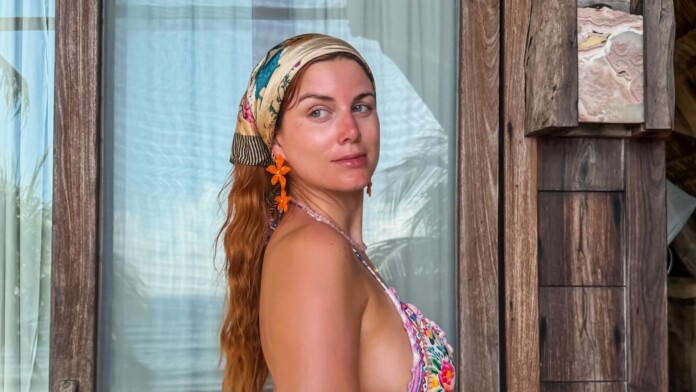
A recent post reignited the debate: an internet user claimed to only trust women who met certain physical standards, illustrating his point with photos of slim, flawless mothers. A swift and pointed response followed: "Have you noticed that mothers are always thin? We expect women to have children, but we don't want to see any trace of motherhood on their bodies." This widely shared remark highlighted a striking contradiction: we celebrate motherhood, yet we refuse to accept its visible marks.


notice how the moms are always stick thin. they want women to bear children by the dozen but don't even want to see evidence of it on their bodies https://t.co/nnovKQ5uIY
— 💗 (@ma1ybe) January 19, 2026
Between social pressure and the cult of performance
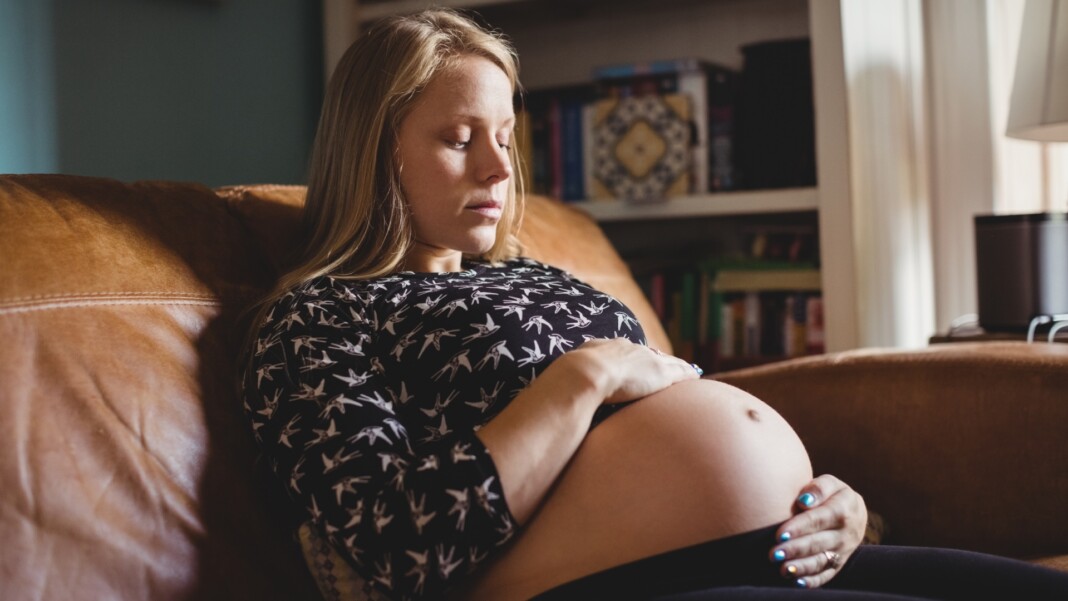
Yes, pregnancy transforms the body. It enriches it, strengthens it, and makes it capable of extraordinary feats. Yet, in the collective imagination, these transformations should remain invisible. Many expect women to instantly regain their "pre-pregnancy figure," as if nine months of changes, effort, and emotions could vanish with a simple snap of the fingers.
Some harsher comments even suggested that women who don't "get back in shape" risk being abandoned or judged. Others defend the idea that one must always strive for a physical ideal, in the name of discipline or personal achievement. This discourse overlooks one essential point: the body is not a machine that can be reprogrammed at will, especially after carrying and giving birth to a human being.
Mothers' voices are being heard
Faced with these pressures, many women have spoken out to share their fatigue, mental burden, and the physical challenges of postpartum. Between sleepless nights, breastfeeding, hormonal upheaval, and a complete reorganization of life, weight loss isn't always—nor should it be. And above all, why should it be?
More and more voices are also being raised to remind us that beauty isn't limited to a size or a number on a scale. A mother's beauty also resides—and above all—in her strength, her patience, her capacity to love unconditionally. Her body tells a story, the story of the life she carried, protected, and gave to the world. These marks are not flaws: they are testaments.
Towards a freer motherhood
This debate reveals a persistent reality: women's bodies remain a site of social control, even in the most intimate moments. Yet, motherhood could be a tremendous opportunity to redefine our standards of beauty. What if, instead of demanding effaced bodies, we celebrated living bodies? What if, instead of asking mothers to conform to a mold, we finally expanded the mold itself?


In short: you don't have to justify your body. You don't have to apologize for existing as you are. Being a mother doesn't mean disappearing behind an aesthetic ideal; it means taking your place, fully, with all that you are. Your body deserves respect, gentleness, and admiration—today, tomorrow, and always.