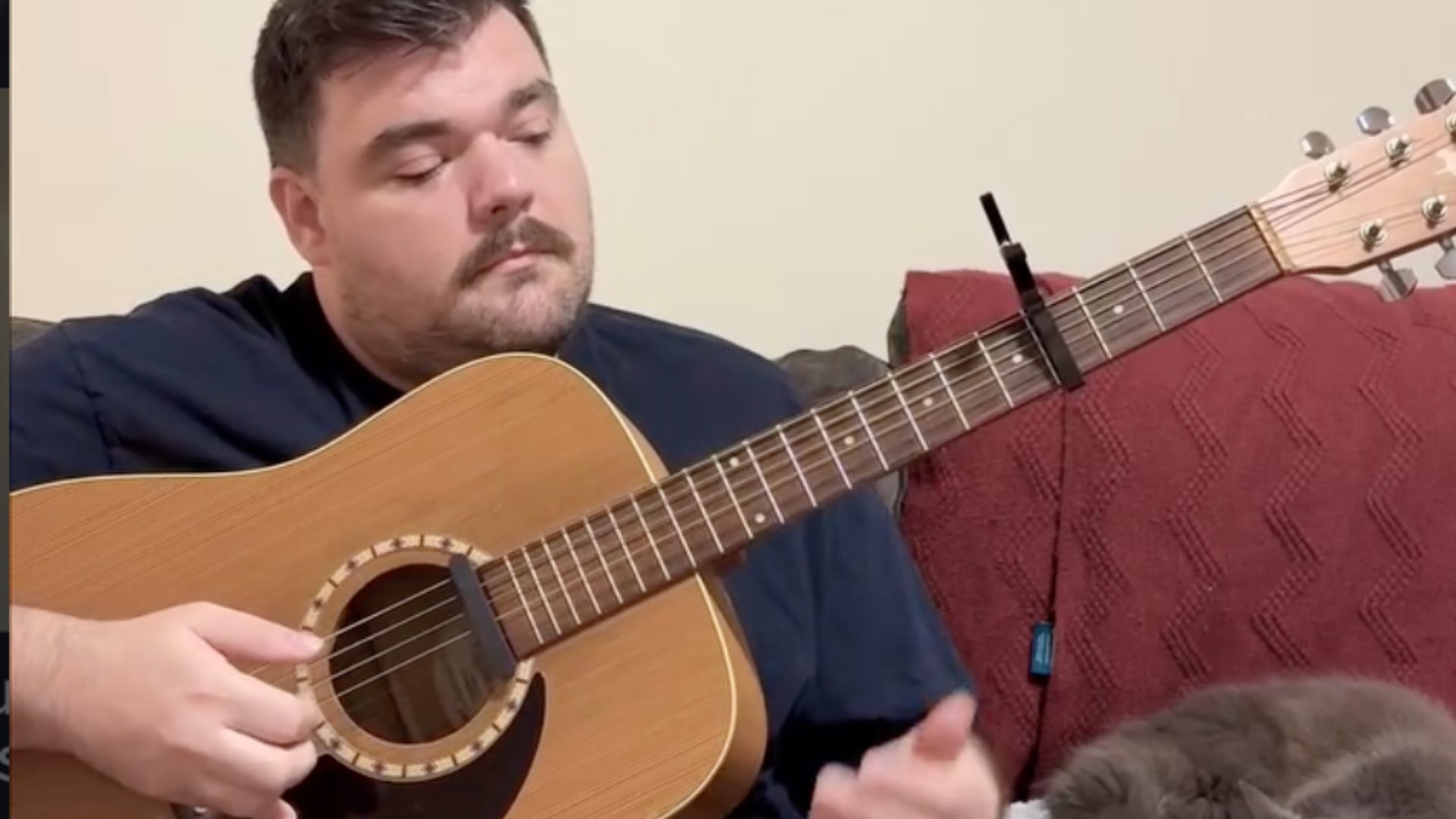
When a child's imagination meets a father's musical creativity, the result can go viral. Stephen Spencer, a composition professor in New York, sets to music the little stories his daughter tells him. This tender and powerful project has captivated hundreds of thousands of people on social media, transforming these family moments into original songs.
A musician father and an imaginative daughter
Stephen Spencer, a composition professor at Hunter College, has started posting videos on TikTok where he transforms his daughter's spontaneous ideas into short songs. His three-year-old daughter invents fantastical characters and situations, which her father records and then sets to music. In these clips, you can hear lyrics inspired by an "apple man with fairy wings," a "unicorn rabbit," or repeated declarations of love, such as "I love you 26 times." These spontaneous and naive images and words form the raw material of his creations.
View this post on Instagram
Music as a memory and creative expression
For Stephen Spencer, the motivation goes beyond mere entertainment: he wants to immortalize his daughter's early years. In an interview with The Guardian , he explains that music is his way of capturing these fleeting moments, fully aware of their ephemeral nature. His approach isn't a sugar-coated version of what the child says, but a genuine celebration of her words, without judgment or correction. It's this authenticity that resonates with many online and makes his videos particularly moving.
A viral success on social media
Initially, Stephen Spencer had only a few dozen followers on TikTok. By sharing his project, he saw his audience explode: he now has several hundred thousand followers across TikTok and Instagram. Users praise both the little girl's creativity and the father's musical talent. Comments often highlight the nostalgia of early childhood or the emotion of seeing a parent attentively listening to their child.
Given the enthusiasm, some internet users even asked Stephen to release full versions of his compositions. One of the most popular songs, titled "Regular Rabbit," was released on streaming platforms on February 17, partially fulfilling these requests.
View this post on Instagram
An artistic father-daughter bond that resonates
One of the most striking aspects of this project is the dynamic between Stephen and his daughter. According to the musician father, the child is more interested in the creative process than in the impact her lyrics have on social media. She participates in the spontaneity of the ideas but is unaware of the virality they can generate. This "intergenerational collaboration" also demonstrates how a simple activity—inventing stories—can become a source of shared creativity, strengthening the bond between parent and child.
A trend that affects the public
Stephen Spencer's videos are popular not only with parents but with a wide audience. Many see them as a celebration of children's innocence, curiosity, and freedom of expression. The way these ideas are set to music also has artistic merit in itself. It reminds us that creativity isn't limited to professionals but can emerge from ordinary, everyday moments when we take the time to listen and appreciate them.
An inspiration for other creators
Stephen Spencer's success has inspired other parents and creators to share their own experiences with their children. Some have begun posting their collaborative projects, ranging from stories told by their children to drawings transformed into animations. This wave of content demonstrates that authenticity and simplicity resonate particularly well on social media platforms, beyond more produced or heavily scripted formats.
By transforming his 3-year-old daughter's spontaneous ideas into original songs, Stephen Spencer created something more than just viral entertainment: a celebration of childhood creativity and family bonds. Thanks to his work, millions of internet users discovered pieces born from a child's pure imagination, brought to life by a father's musical talent. This project serves as a reminder that listening to and valuing the creativity of the youngest generation can produce touching and universal works, capable of uniting a wide audience.