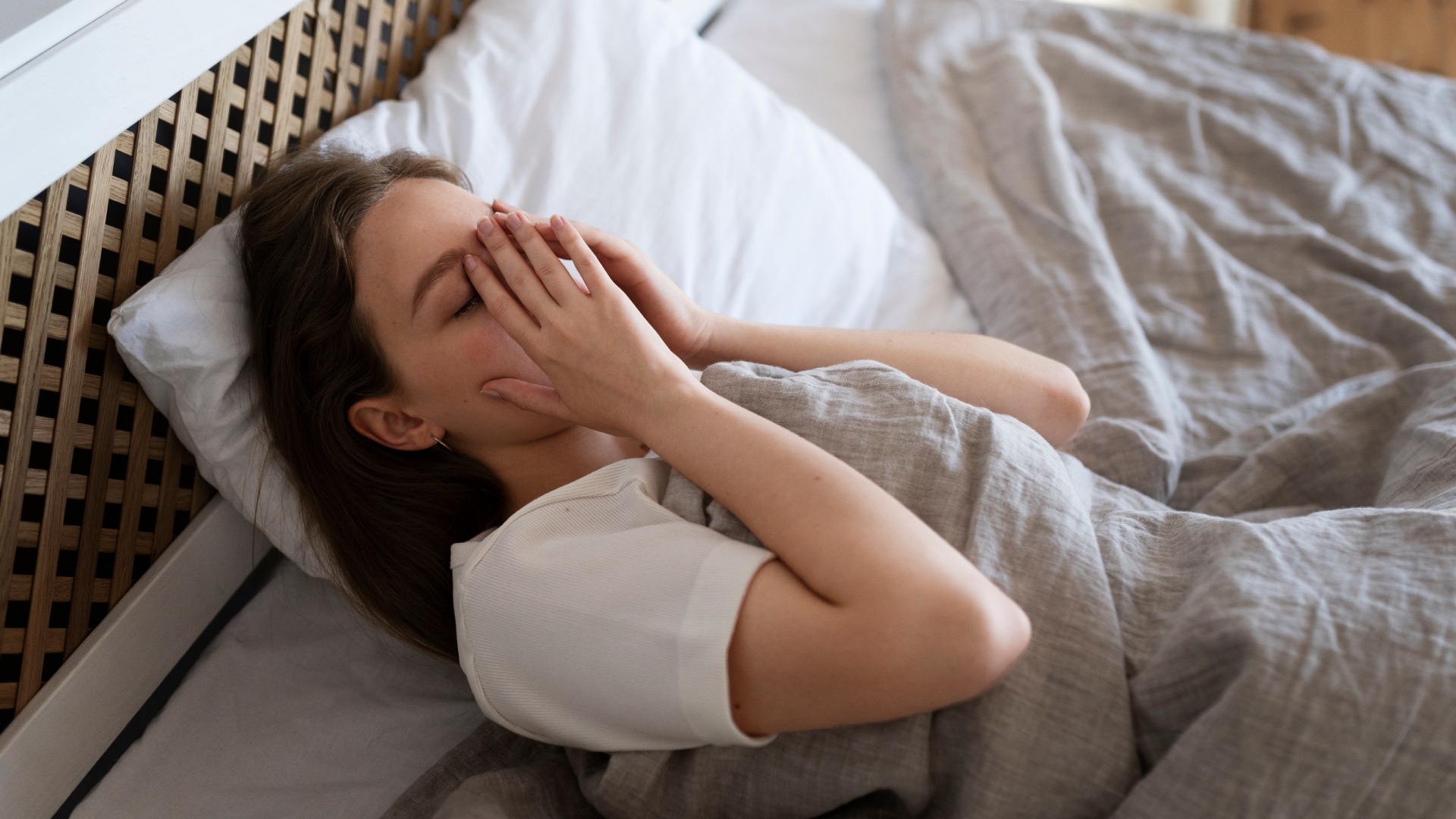
Looking for the ideal position for a good night's sleep? Your body may already have the answer. A study on sleep habits shows that one position stands out by far… and it's also the one that specialists most often recommend.
The side position, your absolute favorite for the night
According to data published in PubMed Central , sleeping on one's side is by far the most common position. Participants spend more than half their night in this position, approximately 54% of the time. By comparison, sleeping on one's back accounts for just over a third of sleep, while sleeping on one's stomach remains very uncommon.
This success is no accident. The side sleeping position is a posture your body naturally adopts for rest. It complements your shape, supports your body's natural alignment, and promotes overall comfort. Over time, this tendency even intensifies: the older you get or the more your body changes, the more you tend to favor sleeping on your side.
A more stable sleep than you think
Contrary to popular belief, you don't spend your night tossing and turning. On average, sleepers change position about 1.6 times per hour. These movements are therefore quite infrequent and, above all, very fluid. Your body simply adjusts its posture instinctively, without disrupting the quality of your sleep. These micro-adjustments are even beneficial: they help prevent pressure points and maintain comfort throughout the night.
Differences depending on the profiles
Sleep habits are not the same for everyone, and your body has its own way of resting.
- Women, for example, tend to move less than men during the night. Their sleep often appears calmer, with less movement in the arms, legs, or upper body.
- Age also plays a role. Younger adults generally have more restless sleep, with more movement. This may be related to a more active metabolism or different sleep cycles.
- Another interesting observation: people with a higher weight change their overall position less often, suggesting a certain stability. However, they sometimes exhibit more localized movements, particularly in the arms or back, possibly to adapt to sensations of discomfort.
Why sleeping on your side makes a difference
While specialists often recommend sleeping on your side, it's not just because it's common. It also offers several benefits for the body. Sleeping on your side can help reduce sleep apnea, those pauses in breathing that disrupt rest. This position also promotes better air circulation. It can also relieve certain tensions, particularly in the lower back, by better respecting the natural alignment of the spine.
Another benefit: it can reduce acid reflux, making it particularly comfortable after a meal or in cases of digestive sensitivity. In short, it's a position that supports your body rather than restricting it.
Ultimately, while sleeping on your side may seem ideal in many cases, there is no single perfect sleeping position. Your body is unique, and your comfort remains the best indicator. Some people sleep very well on their back, while others prefer to change positions throughout the night. The key is to find a position in which you feel comfortable. Your sleep doesn't need to be perfect; it simply needs to be tailored to you.