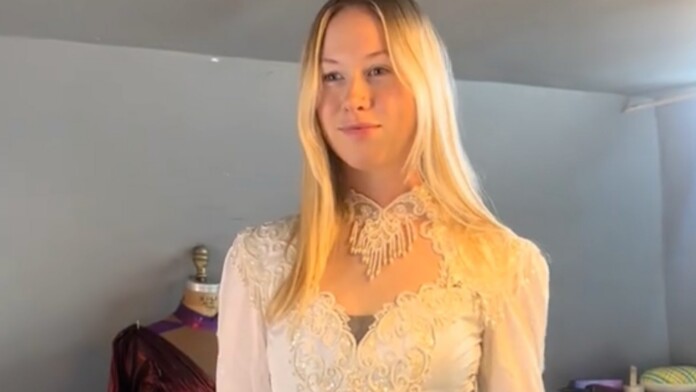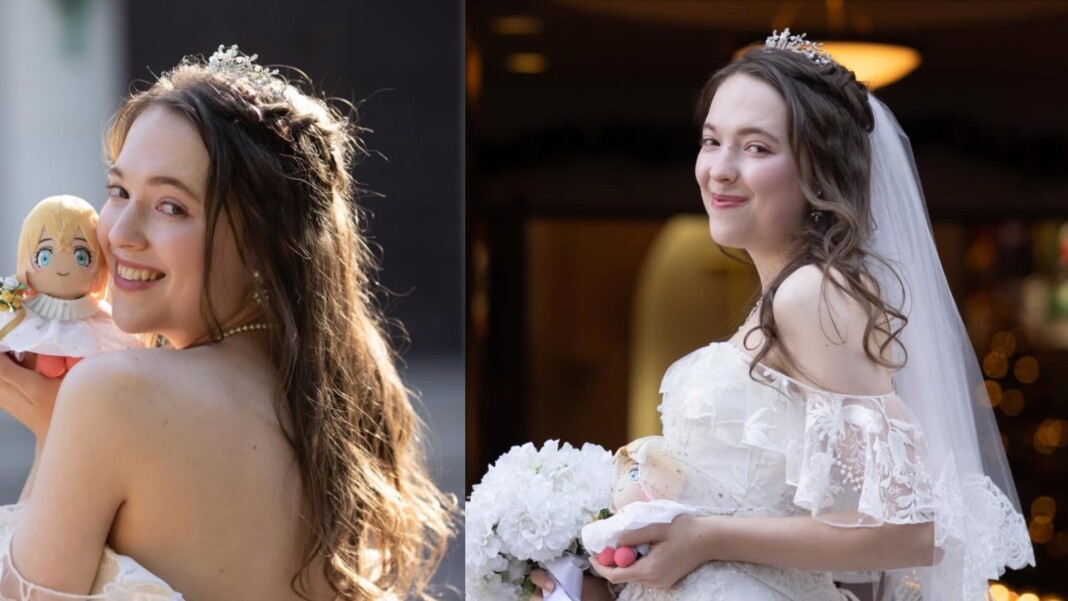
Lucie (@hikari_sunshine on TikTok), a 24-year-old French woman living in Tokyo, organized a symbolic ceremony with Mami Nanami, a fictional character from the famous anime "Rent-a-Girlfriend", in a chapel in Okayama on December 13, 2025. A graduate of Sciences Po Paris and passionate about Japanese culture since childhood, she fully embraces this non-legal union which is dividing social networks.
A passion born in Japanese childhood
Originally from the south of France with Belgian roots, Lucie discovered Japan as a child through family trips and language learning in high school. In 2018, the anime "Rent-A-Girlfriend" captivated her with Mami, a manipulative and independent antagonist who defies harem stereotypes. A compulsive collector of merchandise (figurines, posters, plushies), she organizes their symbolic engagement in 2023 to celebrate their virtual anniversary.
View this post on Instagram


Contrasting reactions: hatred and support
Contacted by Sun Euro, a company specializing in mock weddings, Lucie celebrated her "wedding" in a white dress in a chapel in Okayama, with her parents watching via Zoom. The event, shared with her 20,000 Instagram followers and 24,000 TikTok followers, generated 1,000 hateful comments within 24 hours, but also inspired fans of oshikatsu (love for fictional idols). Despite the insults, Lucie persevered: "I wasn't psychologically prepared for the exposure, but I won't stop loving him. It's like being in love with someone in real life."
Emotional freedom and societal limits
This case illustrates Japanese oshikatsu, where love for fictional characters becomes a social ritual. Lucie embodies the values of self-expression in the face of judgment: "Mami gives me daily energy." Although aware of the one-sided nature of the story and apprehension about the manga's ending, she asserts her right "to love freely without hurting others."
Beyond the controversy, Lucie's story (@hikari_sunshine on TikTok) raises questions about our relationship to love, imagination, and social norms. Whether we see it as eccentricity or a legitimate demand, her action primarily reveals a society in the midst of redefining its emotional frameworks, where personal expression is becoming, more than ever, a political act.