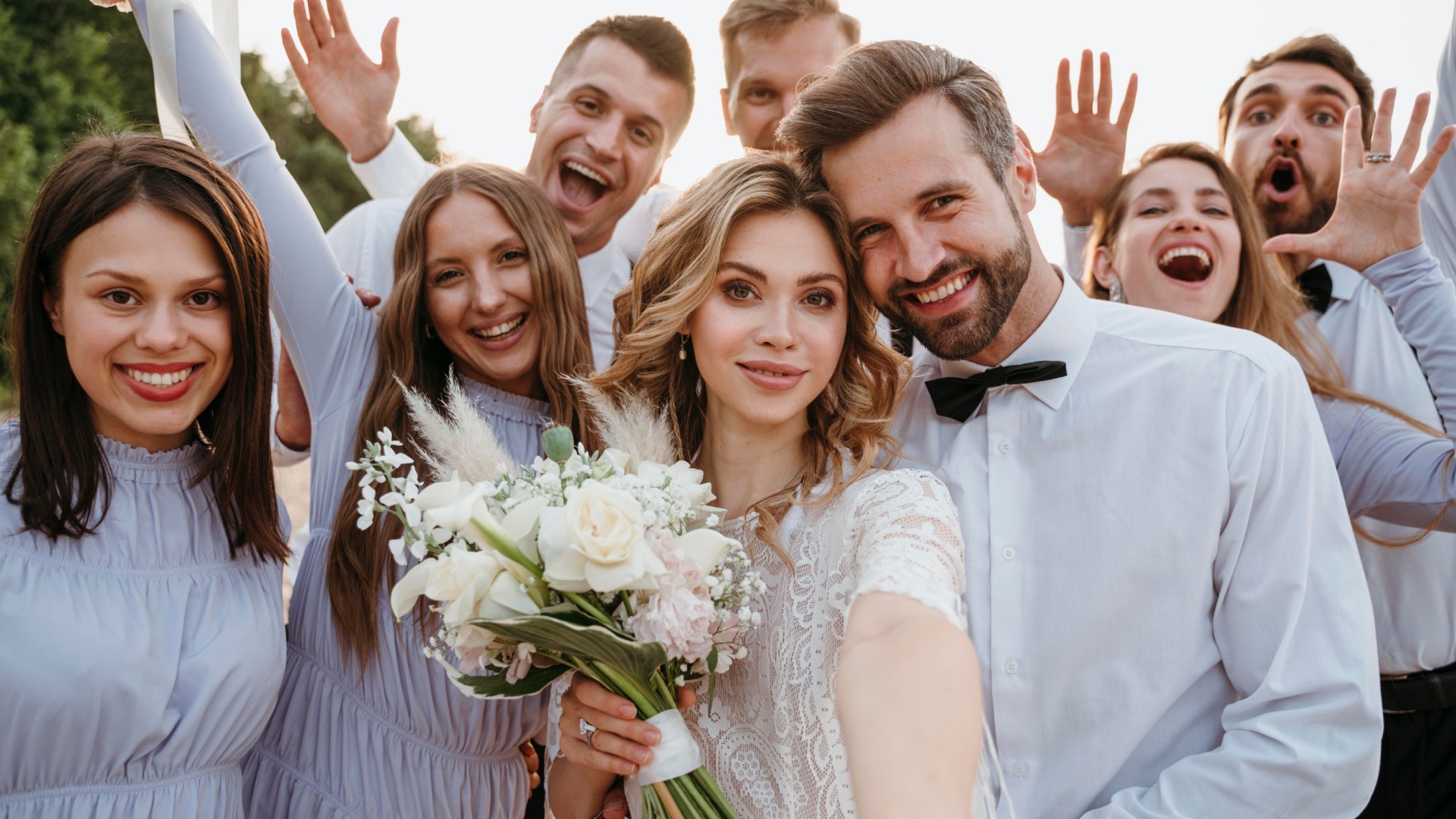
Marriage is a private celebration, usually witnessed by close family and friends. While some couples opt for intimate ceremonies, conveniently ignoring distant aunts and cousins whose phone numbers they don't even have, others charge strangers to join the festivities. They sell tickets to their weddings much like artists sell tickets to their concerts, and this practice is becoming increasingly popular.
An original way to finance your wedding
Considered the most beautiful day of a lifetime, even the culmination of a romance, a wedding is supposed to be a private affair. The guests have familiar faces, and even if, in the heat of the moment, the bride and groom forget a few names, they know everyone present. Moreover, the guests are carefully selected and strategically placed on the seating plan based on compatibility.
Couples traditionally spend time poring over their contact lists and deciding who will be attending. However, a growing number of couples are breaking with this tradition and opening their weddings to strangers, in exchange for payment. This is called “vendor sponsorship,” a technical term that describes an unusual but particularly profitable practice.
Now, strangers they've never met before can come as spectators and witness the union of a couple they know nothing about—neither their relationship history nor their profession. To soften the financial blow of a wedding, which costs an average of €19,921 , couples sell tickets online as if their celebration were a mere pastime or leisure activity. These "mystery" guests, who come for the buffet but also to experience the warm atmosphere of the wedding, must pay a minimum of around €110 to pass through the flower-filled archway.
A platform dedicated to this type of practice
The idea isn't to end up with a troublemaker who raids the canapés and steals the spotlight from the bride and groom. Nor is it to reenact scenes from the movie Project X amidst the white tablecloths and iridescent balloons. By selling tickets to their wedding, the main stars of the day are taking the risk of the celebration getting out of hand. In fiction, this kind of thing often goes wrong, but here it's all under control. How? Through the Invitin app.
On this platform, which connects couples with "surprise" guests, profiles undergo rigorous vetting. It's the same kind of check-up as on dating apps and, above all, a real guarantee of reliability. The app's founder, Katia Lekarski, also requires guests to sign a code of conduct. By signing it, these spontaneous guests, seeking human connection, promise respect and consideration.
In fact, the bride and groom have the final say and accept or decline the proposed profile. You can be sure you won't find yourself with a Mr. Bean-like figure around on your dream day. These emotional moments shouldn't become the scene of inappropriate jokes. In any case, the bride and groom are the big winners, since by hosting these ten pre-arranged guests, they can pocket "between 1,500 and 2,000 euros approximately," Katia explained in the pages of Ouest France .
Creating social connections is another reason for this trend.
A wedding is synonymous with joy, good cheer, sharing, and conviviality. In an increasingly individualistic world, inviting strangers to one's wedding is a profoundly altruistic act, going beyond mere self-interest.
But why would ordinary people want to attend a wedding at random? It's not morbid curiosity, simply a reflection of a desire for belonging, a fun solution to a lack of interaction. "I have people writing to me saying they want to attend a wedding, meet people, be part of a ceremony, be able to go out, have fun," explains the founder of Invitin.
And if this practice sounds “intrusive”, it is not new. You yourself may have already been the “outsider” at a wedding and toasted to newlyweds who were friends of friends of other friends.