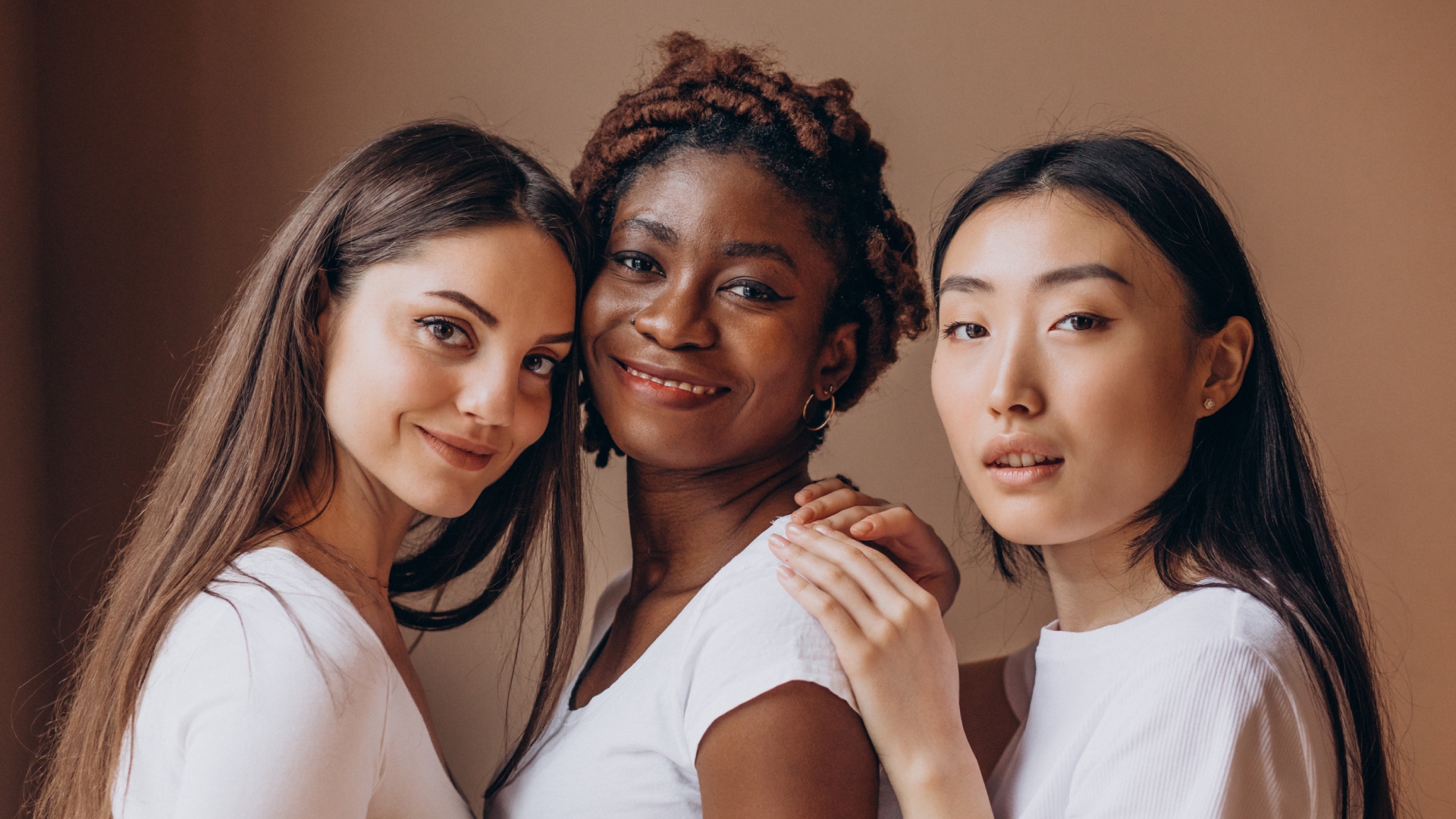
The very idea of "ideal beauty" might almost seem amusing, given how much it varies from one continent to another. What is adored here becomes criticized elsewhere, and what seems "perfect" to some appears strange to others. As you will see, around the globe, aesthetic criteria form a fascinating—and sometimes bewildering—mosaic. As a result, height, weight, shape, and features become veritable social markers, unfortunately accompanied by all the psychological pressure associated with these standards.
China: The reign of ultra-thinness
According to an analysis of Chinese standards on Marketing China , in China, thinness isn't just an ideal: it's a true social badge. Social media has amplified this quest with challenges that have gone viral, like the famous "A4 waist," where an A4 sheet of paper must cover the entire waist. You can imagine the pressure to conform to such a standard... There's even talk of a BMI around 17, far too low, pursued by many as a symbol of "aesthetic purity."
The "ideal face" follows the same logic: slender, delicate, often described as a melon seed. Large eyes with well-defined eyelids are so sought after that sophisticated makeup and targeted surgeries have become commonplace. The goal: to create a "V-line" face, perfectly oval, almost unreal.
Brazil and Africa: Celebrating Forms
A radical change of scenery in Brazil, where so-called "voluptuous" figures are not only celebrated but often held up as a cultural ideal. Wide hips, a slim waist, and a plunging neckline: the famous "guitar" silhouette reigns supreme. This aesthetic is rooted in both tradition and a relaxed attitude towards the body. Cosmetic surgery is ubiquitous, not to erase, but rather to enhance these curves.
In West Africa, in countries like Mauritania and Nigeria, a high weight remains a deeply rooted symbol of prosperity, health, and fertility. Where the West values physical austerity, these cultures see it instead as a sign of abundance, wealth, and vitality. A positive view, but one that can also become demanding.
View this post on Instagram
West vs. Southeast Asia: Two visions, two pressures
In the United States, the ideal of beauty is often shaped by the world of fitness and Instagram. The athletic, muscular, "spectacular" body is celebrated, with chiseled abs and toned lower body. This ideal can demand constant control of one's weight and diet.
In South Korea, the opposite trend is surprising: the goal is a very slim, almost youthful figure, with a V-shaped face and softened features. Extreme diets are common, encouraged by the K-pop industry where aesthetic competition is omnipresent.
In India, a more traditional ideal persists: wide hips and soft curves were long valued. However, Western influence and persistent colorism are changing expectations, sometimes in contradictory ways.
Europe: one continent, many visions of beauty
In Europe, everything depends on the cardinal direction . In the North, "simple chic" is favored: luminous skin, a slim, athletic build, light makeup, and fair hair. Scandinavians cultivate a natural style where appearance takes precedence over performance.
In the Mediterranean, on the other hand, sensuality is more embraced: curves, a sun-kissed complexion, and visible femininity. In France and Italy, effortless elegance prevails: appearing polished without seeming to.
Eastern Europe? A different vibe altogether. There, strong, sculpted Slavic features are often idealized, as are the slender figures influenced by fashion and social media. As for Spain, it traditionally values curvaceous hips and a tanned complexion.
Overall, Europe generally agrees on a BMI of around 18 to 22, more flexible than Asia, but still influenced by numerical illusions. Moreover, this indicator is far from a reliable reference: BMI says almost nothing about a person's actual health and should in no way be used as a standard to define a so-called "perfect body".
When standards change… and so do the pressures.
Beauty standards have never been fixed . In China, for example, a Sino-Western aesthetic is gaining ground: fair skin, high noses, more "international" features. This hybridization, largely fueled by social media, intensifies the pursuit of "perfection" and increases the number of cosmetic surgeries. There's even talk of procedures to refine the jawline or create the coveted crease between the eyebrows. Faced with these pressures, the body positivity movement is nevertheless growing, slowly but surely. It reminds us that every body has its own legitimacy, its own beauty, its own presence.
Ultimately, this global tour of beauty standards proves it: there is no universal truth. A figure deemed "perfect" in Korea would be criticized in Brazil. Pale skin, glorified in China, would be seen as "bland" in Spain. An angular face, admired in Eastern Europe, would be perceived as "too mature" in Korea, and so on. Comparing yourself to these shifting norms is like participating in a rigged race with constantly changing rules. You deserve better than that. Your body deserves to be seen without cultural filters.