Glow-ups, extended skincare routines, an obsession with the "perfect face"... for the past few months, a new word has been taking over TikTok and social media: "women looksmaxxing." Behind this almost futuristic-sounding term lies a very real trend, pushing some young women to optimize their appearance down to the smallest detail. And while taking care of oneself can be positive, this quest for perfection is starting to raise serious questions.
A trend that originated on the internet
"Looksmaxxing" comes from the English contraction of "looks" (appearance) and "maximizing." The idea? To become the "most attractive" version of oneself possible through an accumulation of beauty, fitness, or aesthetic techniques. Originally, the phenomenon circulated mainly within male online communities. Today, its female counterpart is exploding on social media, particularly among teenage girls and young women.
When beauty becomes a "project"
The principle of "women looksmaxxing" is based on continuous improvement: ultra-precise skincare routines, nutritional advice, exercises to "sculpt" the face, strategic makeup, intensive hair care, and increasingly commonplace cosmetic procedures. Every detail of the body becomes a "project to optimize."
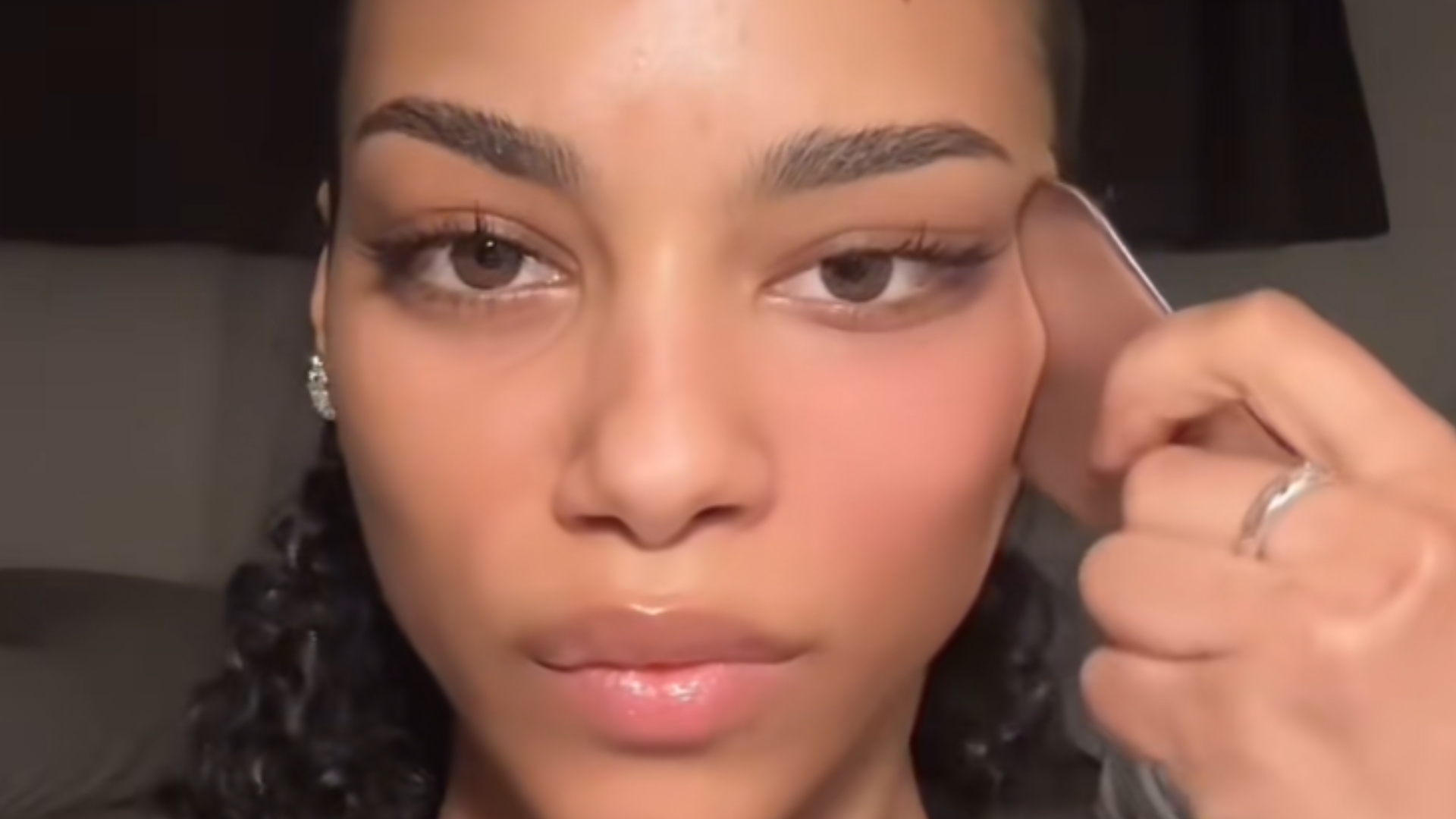
On TikTok, videos associated with the phenomenon often promise a spectacular "before and after." Some content creators share endless lists of habits supposedly designed to make them more attractive: better posture, "whiter" teeth, "glass skin," "perfectly" shaped eyebrows, or even the reduction of facial "flaws." This approach sometimes transforms well-being into a veritable quest for aesthetic performance.
@merithrah POV: You're a 10+ and you don't even know it yet. eBook link in my bio🪽 #fyp #glowup ♬ Originalton - CAXRBON
Standards that are becoming increasingly difficult to achieve
The problem, according to many experts, is that this trend is often based on unrealistic standards. Filters, retouching, and algorithms create an impression of constant perfection, difficult to achieve in real life. As a result, some young women develop a more rigid relationship with their image, with the feeling that they always have to "fix" something.
What's also worrying is the mental dimension of this phenomenon. Constantly comparing one's face or body to ultra-perfected models can quickly erode self-confidence. Beauty then becomes less a space for personal expression and more an endless pursuit of an imposed ideal. And on social media, this pressure can quickly become a daily occurrence.
Faced with the "women looksmaxing" phenomenon, a growing number of voices are calling for a more nuanced approach to online beauty discourse. A face doesn't need to be "optimized" to have value, and self-confidence should never depend on an algorithm or a viral trend. Wanting to take care of oneself is perfectly fine; however, the danger arises when appearance becomes a constant source of anxiety or a need for validation.