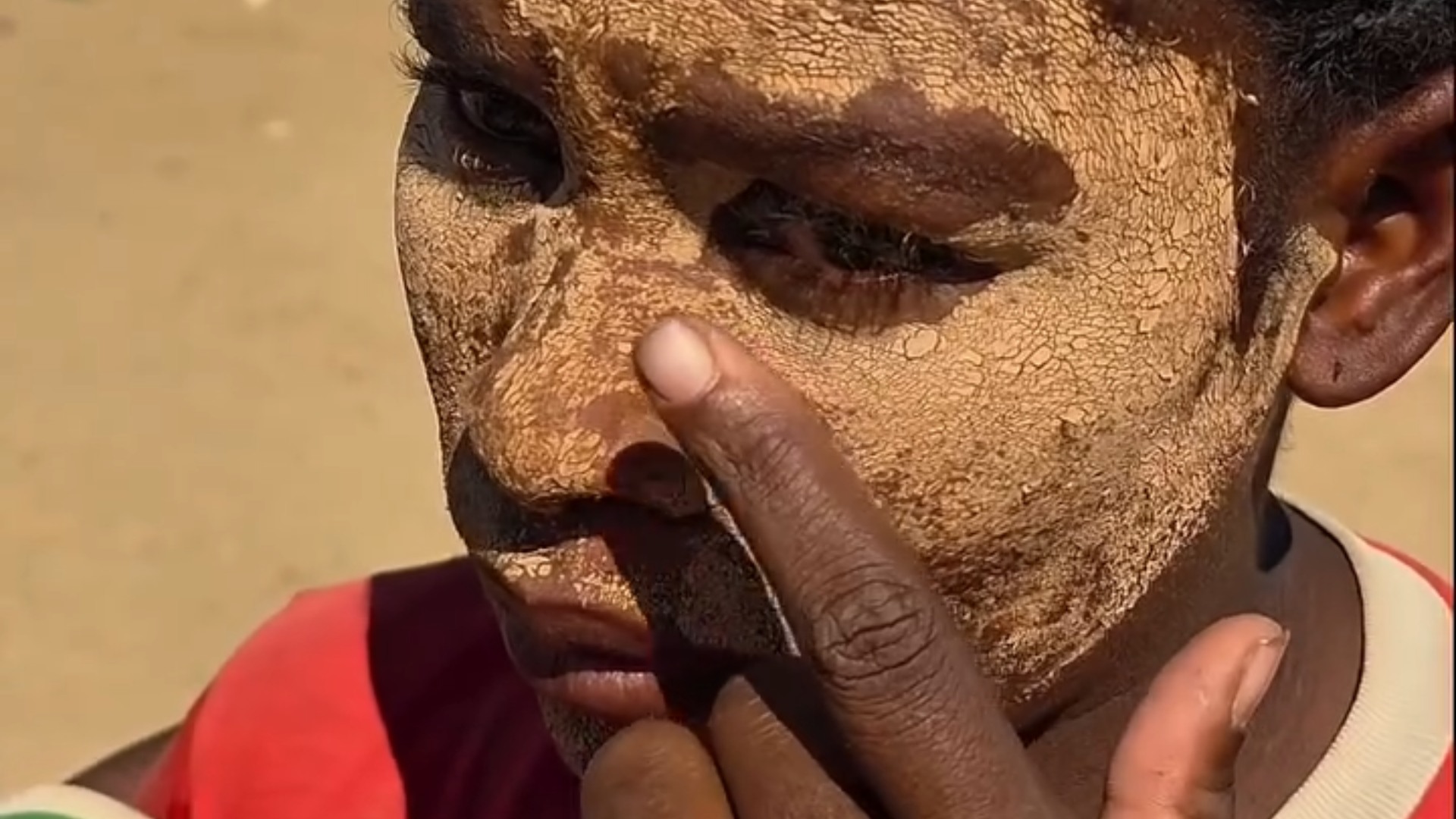
While pharmacy and supermarket shelves are overflowing with UV protection products in the form of creams, mists, and even sticks, in some isolated areas of Africa, women make their own sunscreen concoctions. To cope with the scorching sun that sets their skin on fire, they find their total sunblock in their open-air pharmacy: Mother Nature. They rely in particular on a plant-based substance known for its antioxidant properties.
Tamarind bark, an alternative to sunscreen tubes
Today, cosmetics displays are overflowing with countless bottles boasting a UV index, each more convincing than the last. Whether pocket-sized or family-sized, in spray or stick form, for urban use or swimming, modern sunscreens bear no resemblance to the plaster-like sunscreens of yesteryear. With their sophisticated marketing and sensory promises, they transform a once-outdated practice into a comprehensive beauty ritual. However, in some remote African villages, resembling no man's lands, sunscreen is a foreign concept. These isolated areas, where water is scarce, don't have a single store within a thirty-kilometer radius.
The inhabitants, who live in huts made of earth and straw, lead a self-sufficient lifestyle. On a continent where the heat warps the landscape and bends corrugated iron roofs, they rely on the wonders of nature, which offers numerous remedies to those who know how to recognize them. To combat the scorching sun, the women spread tamarind bark on their ebony skin; its orange, self-hardening texture is reminiscent of pink clay.
The internet's Indiana Jones, known as @indianajoseee , shared this long-standing beauty secret with a demonstration video. A true explorer of Malagasy cultures, he travels throughout Madagascar meeting different ethnic groups, collecting stories, traditions, and ancestral knowledge. In this impromptu beauty tutorial filmed on the arid soil of the Big Island, a woman scrapes an ochre block with water, creating a nectar that matches the background scenery. She spreads it with her fingertips on the exposed parts of her body, creating a custom-made shield for her skin.
View this post on Instagram
An age-old practice validated by the medical community
Renowned for its antioxidant properties, healing action, and antiseptic effect, tamarind bark is a key ingredient in many laboratory formulas. It is used in numerous skincare products on the market, often combined with other active ingredients. African peoples, however, use it in its purest, raw form. Considered a gift from Mother Nature, tamarind bark acts similarly to a UV filter.
Beneath the video, which highlighted this sunscreen, a product of heaven and earth, a doctor validates the method, offering his expert opinion. “Natural sunscreen: it acts as a physical barrier (a shield) that reflects UV rays. It's an age-old method used by women to protect their skin,” explains Dr. Abdulhadi Jfri.
A study published in the Tropical Journal of Natural Product Research in 2024 reached the same glowing conclusion and analyzed the plant's effectiveness against the sun. No need for complex formulations or cutting-edge biotechnological ingredients to protect against carcinomas and other skin cancers: nature has all the essentials for our beach essentials right there in its leaves.
Black skin is also subject to the harmful effects of the sun.
It's a misconception as persistent as sand in our sandals. Many people believe that ebony skin has a genetic immunity to the harmful effects of the sun. While this complexion doesn't turn red like porcelain skin, which changes color after just a few minutes without shade, it's still not exempt from the need for sunscreen.
While it's true that dark skin is more resistant to the intense heat and highly flammable rays of the sun, it cannot protect itself entirely. This is why creams are specifically formulated for dark skin and labeled "melanin-resistant." To say that dark skin is naturally immune to the sun is a misinterpretation that can be detrimental to its well-being.
In the poorest regions, dominated by a scorching sun, sunscreen exists only in its wildest form. What this discovery teaches us is that the answer to our summer mishaps isn't always found on air-conditioned shelves. It invites us to return to the essentials.