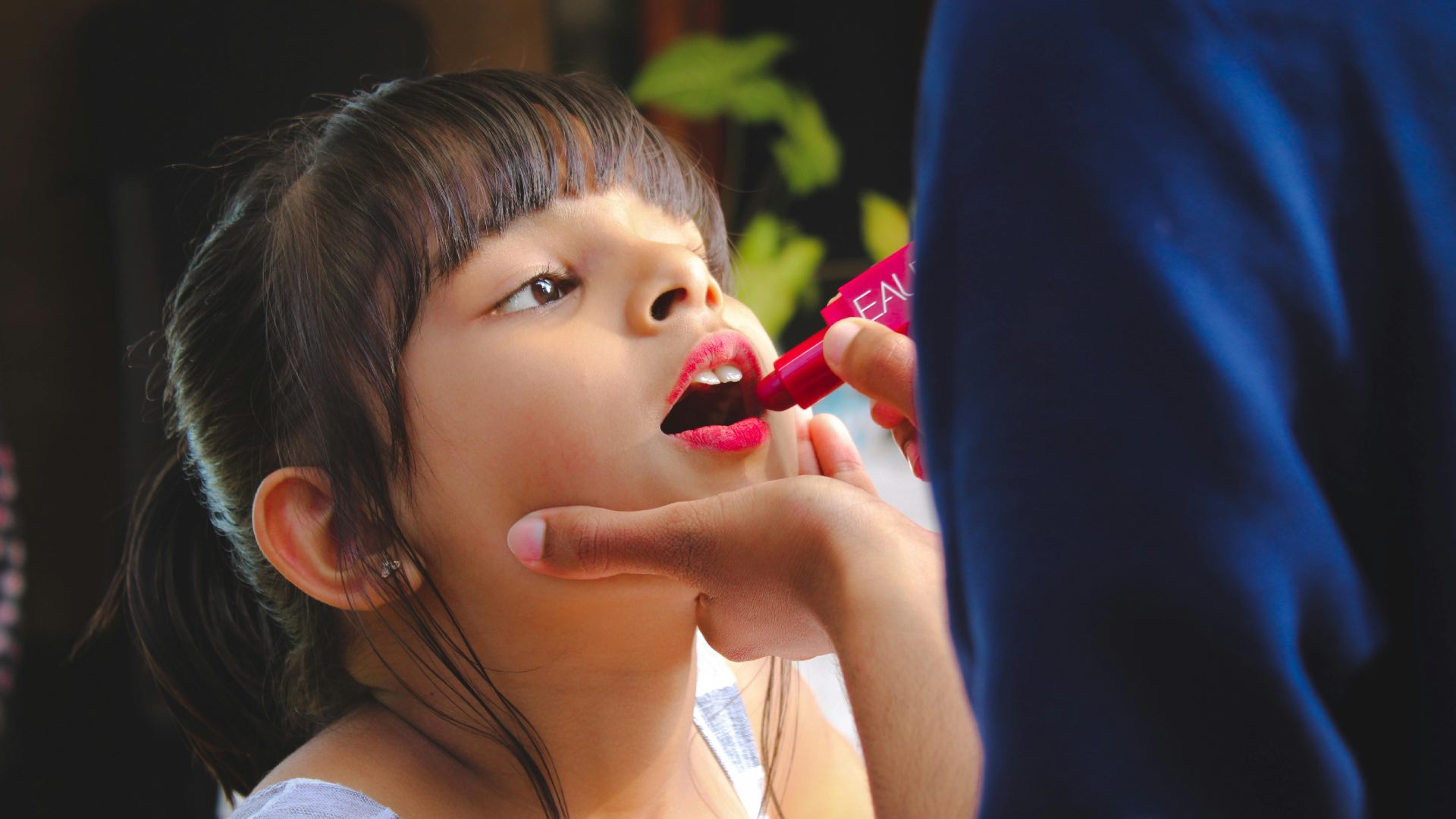
Between ten-step skincare routines and "glow-up" videos, beauty is increasingly entering children's lives at a younger age. On social media, one trend is both intriguing and worrying: "cosmeticorexia," an early quest for "ideal skin" that raises numerous questions about self-image and the well-being of young people.
An obsession with "perfect skin" from a very young age
"Cosmeticorexia" is not an official medical diagnosis, but a term increasingly used to describe an excessive focus on skincare and appearance. It primarily affects pre-teens and teenagers, sometimes as young as 9 or 10. In this context, beauty routines become highly elaborate: multiple cleansers, serums, hydrating masks, eye patches, and so-called "anti-aging" creams. Products initially designed for adults thus find their way into the daily lives of children who are still developing.
This phenomenon raises questions, as it can instill a demanding idea very early on: that skin should be "perfect". Specialists then suggest a sometimes anxious relationship with appearance, to the detriment of a simpler and more peaceful view of self-care.
View this post on Instagram
TikTok and "Sephora Kids": when social media accelerates the trend
Social media plays a central role in this evolution, particularly TikTok. On the platform, videos of skincare routines or beauty shopping accumulate millions of views, often featuring teenage girls or very young influencers.
The "Sephora Kids" phenomenon illustrates this trend: children and pre-teens are passionate about cosmetics and frequent stores like Sephora, replicating gestures and routines inspired by online content. The videos showcase trendy products—hydrating serums, lip masks, hair oils—in a playful and accessible tone. However, this approach can normalize routines unsuitable for "young" skin.
Added to this is the power of algorithms: a simple interaction with beauty content can quickly transform a news feed into a continuous stream of skincare advice, reinforcing the idea that a complex routine is essential to "take good care of oneself".
Growing concern among parents and specialists
Many parents question this early pressure to conform to beauty standards. Beyond the financial aspect, which can sometimes be significant, specialists primarily warn about the psychological impact. Repeated exposure to very high beauty standards can affect self-confidence. The idea that non-existent "imperfections" should be corrected or that aging should be anticipated from childhood can weaken a child's relationship with their body and self-image.
Dermatologists also point out a concrete risk: some products containing powerful active ingredients, such as exfoliating acids or retinol, are not suitable for "young" skin and can cause irritation or skin sensitization.
Italy is paving the way for European reflection
Faced with the scale of the problem, Italy has launched an investigation into certain marketing practices related to cosmetics aimed at minors. Authorities are particularly interested in the role of micro-influencers and promotional content deemed potentially overly suggestive. The aim is to understand whether certain marketing strategies encourage children to consume products not intended for them. The brands involved, for their part, maintain that they do not directly target minors.
Supporting without forbidding: finding a balance
Experts do not advocate a total ban on cosmetics, but rather a structured approach tailored to age. A simple routine focused on hygiene and well-being is generally sufficient for "young" skin. Open communication remains essential. Understanding teenagers' interest in these practices allows for the discussion of broader topics: self-confidence, the influence of social media, and the development of personal image.
In a digital world where aesthetic standards circulate rapidly, the challenge is not to reject cosmetics, but to place them within a gentler, more inclusive, and more caring perspective. A beauty that accompanies personal growth rather than imposing it.