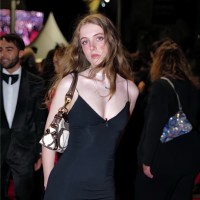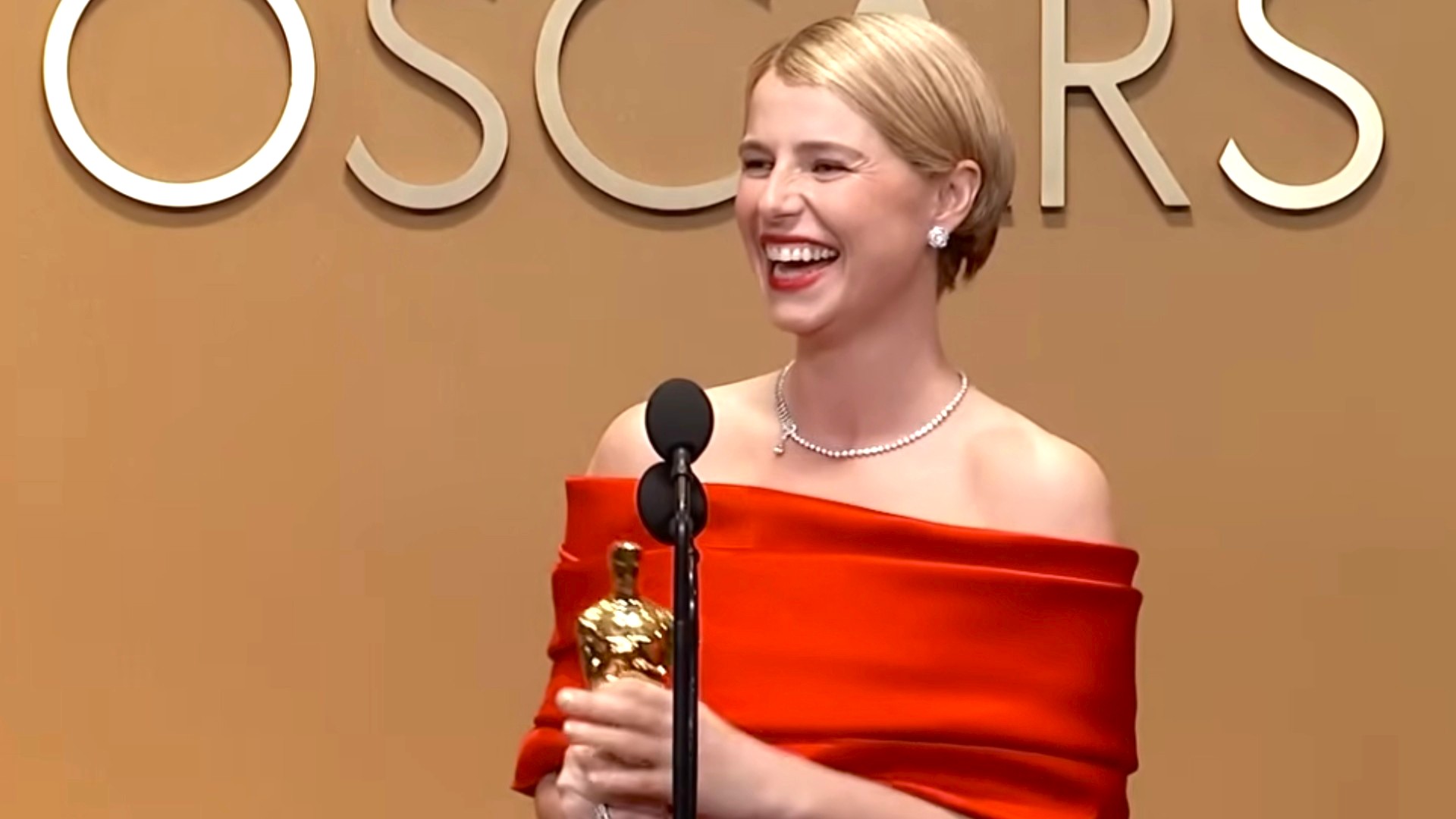
Jessie Buckley, Amy Madigan and Autumn Durald Arkapaw made their mark on the 2026 Oscars by winning the main female awards and, in doing so, marking a real turning point for the representation of women in Hollywood.
Jessie Buckley, queen of the evening with Hamnet
Irish actress and singer Jessie Buckley won the Academy Award for Best Actress for her role in "Hamnet," becoming the first Irish woman to win in this category. Her intense and sensitive portrayal of a complex character allowed her to triumph over Emma Stone, Kate Hudson, Rose Byrne, and Renate Reinsve. This victory confirmed her status as a major actress, capable of alternating between independent films and ambitious studio productions.
View this post on Instagram
Amy Madigan, the quiet strength of supporting roles
In the Best Supporting Actress category, American actress and musician Amy Madigan took home the Oscar for her performance in Weapons. At 75, she embodies a key figure in the film, bringing depth, gravity, and humanity to her character. Her victory, ahead of Elle Fanning, Inga Ibsdotter Lilleaas, Wunmi Mosaku, and Teyana Taylor, underscores the importance of mature female roles, often undervalued in Hollywood.
View this post on Instagram
Autumn Durald Arkapaw, a historic victory behind the camera
She's not an actress, but she made history behind the camera: American cinematographer Autumn Durald Arkapaw won the Oscar for Best Cinematography for "Sinners." She became the first woman, and also the first Black cinematographer, to win this award. Her visual work on this horror action film, praised for its contrasts, bold lighting, and sense of composition, paved the way for a new generation of female directors of photography in a field long dominated by men.
View this post on Instagram
Between Jessie Buckley's Oscar win, Amy Madigan's triumph, and Autumn Durald Arkapaw's historic performance, the 2026 Academy Awards celebrated female talent both in front of and behind the camera. These victories send a powerful message: women are no longer content to simply exist within narratives; they embody them, carry them, and shape them.