What if your next favorite reality TV show had never been filmed… or even experienced? On social media, formats entirely created by artificial intelligence are attracting a growing number of viewers. Between fascination and questions, this content is redefining the boundaries of entertainment.
Shows that follow all the conventions… without humans
These new videos, often called "AI reality shows," are directly inspired by classic reality TV. They have all the elements that make the genre so appealing: well-defined characters, storylines, tension, plot twists, and sometimes even romance. The difference? Everything is generated by artificial intelligence. The faces, voices, dialogue, and sometimes even the scripts are created using digital tools.
The result: short, fast-paced episodes designed for quick consumption on TikTok, YouTube, or Instagram. Thanks to recent advancements, this content can appear surprisingly realistic, while remaining entirely fictional. We are thus presented with a hybrid mix of animation, fiction, and reality television.
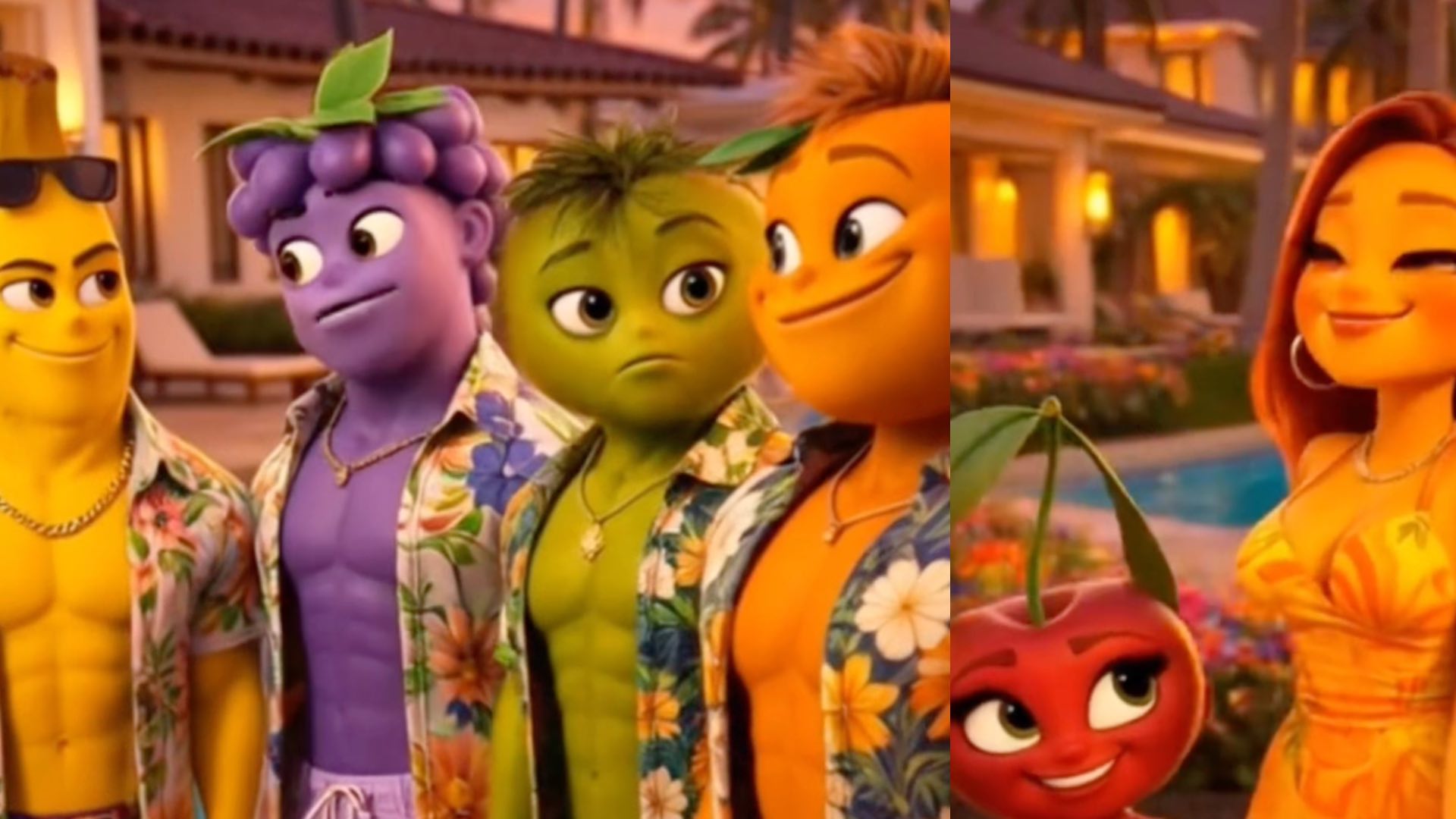
@ai.cinema368 1 Hour Of Fruit Love Island 🏝️ All Episodes 1-22🍿 #fyp #aistory #foryoupage #aifruit#viral ♬ original AI Cinema sound 🍿
An increasingly blurred border
The proliferation of these formats is no accident. Artificial intelligence technologies have become much more accessible in recent years. Today, sometimes just a few text instructions are enough to generate images, videos, or dialogues. However , with this content, a question quickly arises: what is real… and what isn't? AI-generated images can be very convincing, which can sometimes blur the lines. Some internet users may have difficulty distinguishing fictional content from more traditional productions.
This is why many experts emphasize the importance of transparency. Knowing that content is generated by AI allows for a better understanding of it and a more critical perspective. In a fast-paced digital world, this ability to take a step back becomes essential.
Formats perfectly tailored for social media
These "AI-powered reality TV" shows fit perfectly into the current conventions of these platforms. The videos are short, scripted, easy to follow, and designed to grab attention from the very first seconds. This type of content is also highly shareable. An original concept or a surprising storyline can quickly go viral.
This development reflects a broader trend: the rise of short formats in digital usage. Internet users are looking for quick, immersive, and entertaining content that easily integrates into their daily lives.
When AI transforms fruit into masculine symbols
Amidst the explosion of AI-generated content, another trend has recently captured the attention of internet users and sparked debate: videos where fruits are portrayed as "masculinist" characters. In these viral creations, anthropomorphized fruits find themselves immersed in scenes and dialogues that perpetuate masculine stereotypes or discourse associated with certain online masculinist movements.
This phenomenon has been reported by media outlets like Konbini, which have analyzed how these fruity representations can sometimes reflect or amplify highly problematic discourse found on social media. This trend illustrates a less lighthearted aspect of AI creation: when generative tools appropriate cultural and social codes without critical distance, they can reproduce or even exaggerate stereotypes.
View this post on Instagram
AI-generated reality TV shows ultimately illustrate above all an ongoing transformation: that of our way of consuming and creating entertainment.