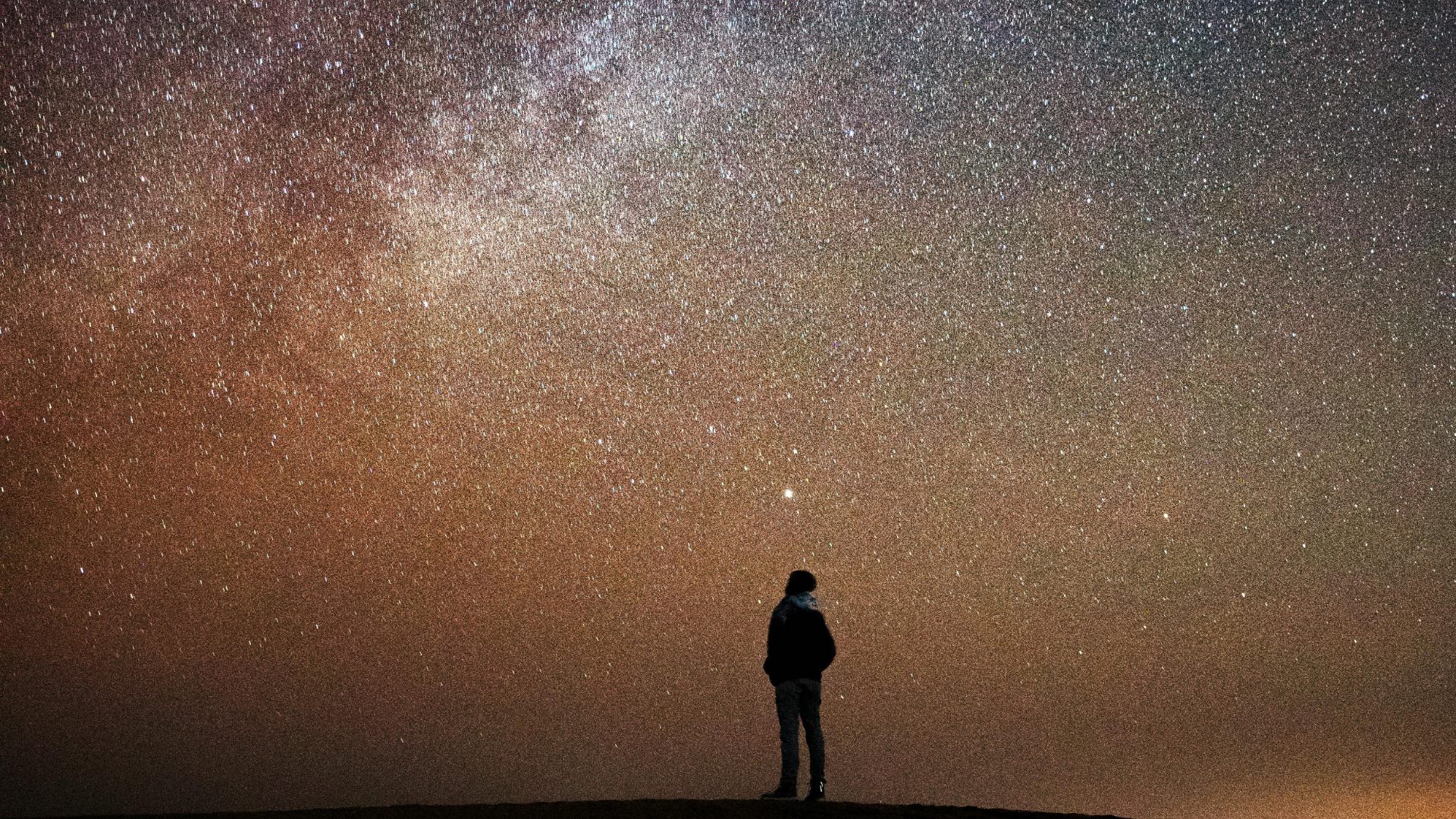
If you love celestial bodies that shine brightly, 2026 will definitely captivate you. The cosmos will display itself in all its splendor, embracing its vastness, its light, and its excesses. Far from a discreet sky, it invites you to celebrate the diversity of its forms and rhythms with generosity and panache. Here are five major astronomical events , visible from France, that will transform your evenings into true moments of celestial reconnection.
1. February 3rd: the supermoon that takes center stage
From the very beginning of the year, the Moon decides to embrace itself fully and get as close as possible to Earth. On February 3rd, it will appear larger, brighter, and more present than ever. This supermoon is an ode to unapologetic roundness: a radiant disk that refuses to shrink. To the naked eye, the difference is striking, and in photographs, the result is spectacular. It's the perfect moment to slow down, breathe, and admire a celestial body that shines without trying to conform.
2. May 31st: the rare and mysterious Blue Moon
May 2026 will feature a double lunar event. Two full moons in a single month is unusual, and the second, expected on May 31st, has the charming nickname "Blue Moon." No, it won't change color, but its very existence is extraordinary. This phenomenon, which occurs only every two to three years, reminds us that the exceptional needs no artifice to be remarkable. A beautiful lesson in celestial singularity.
3. August 12: When the Sun plays hide-and-seek
In the heart of summer, the sky will offer you a moment of pure magic. On August 12th, a near-total solar eclipse will cross France. For a few moments, the Moon will almost completely cover the Sun, plunging the landscape into an unexpected twilight atmosphere. This rare event deserves your full attention—and appropriate protective eyewear. It's a powerful, almost intimate spectacle, where the celestial bodies align with fascinating precision.
4. From October to December: the final trio of supermoons
The end of 2026 will be marked by an abundance of light. Three consecutive supermoons will illuminate the months of October, November, and December. Each full moon will seem closer, more intense, as if the sky refuses to do anything halfway. Far from the city lights, their amplified brilliance will be particularly impressive. A reminder that light, when fully embraced, is best shared.
5. From April to December: the free dance of shooting stars
Finally, throughout the year, the sky will come alive with several spectacular meteor showers. The Lyrids in spring, the famous Perseids in August, and then the Orionids, Leonids, and Geminids in winter will fill your nights with light. Lie back, spread out, and look up: these fast-moving and unpredictable meteors celebrate movement, freedom, and the present moment. Some nights may offer dozens of meteors per hour, enough to fuel your most audacious wishes.
In 2026, the sky invites you to observe it as it truly is: multifaceted, luminous, sometimes excessive, always fascinating. A wonderful opportunity to celebrate, with your head in the stars, all that shines without apology.