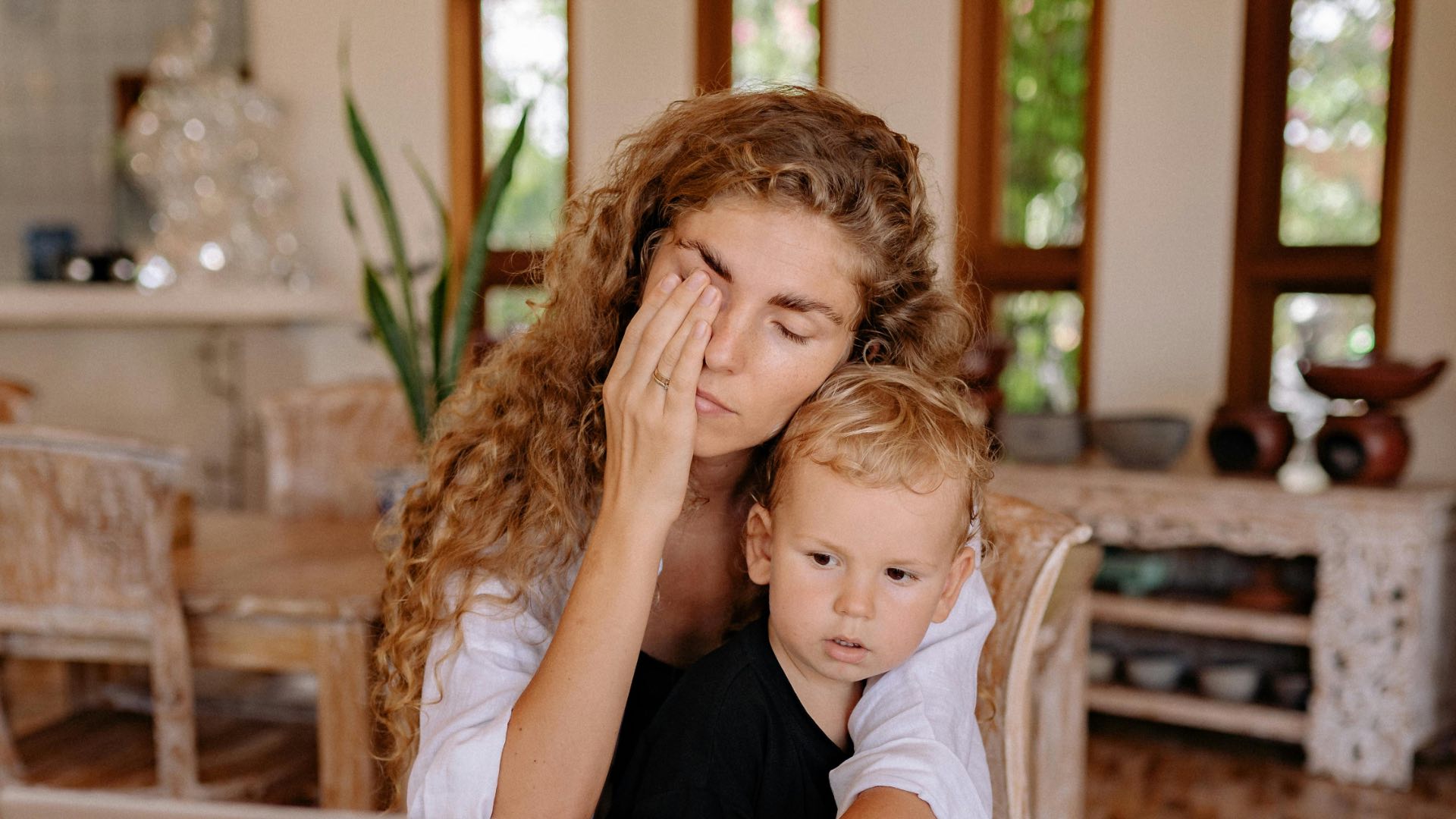
We hear about absolute bliss, magical skin-to-skin contact, and unconditional love. All of that exists, of course. Except that behind these idyllic images, many new mothers also experience a more complex reality: sleepless nights, intense mental strain, and feelings of isolation. Talking about it is the first step in supporting them.
Lack of sleep: an almost universal challenge
The first few weeks – and often the first few months – after a baby's birth profoundly disrupt sleep patterns. Nighttime awakenings to feed, comfort, or change a newborn fragment the nights. As a result, even when you go to bed early, your sleep is often interrupted, fragmented, and rarely restorative.
Research shows that more than half of postpartum women experience significant sleep disturbances. And it's not just a matter of the number of hours spent in bed: sleep quality plays a crucial role. Constantly interrupted sleep cycles prevent the body and brain from fully recovering. The result is reduced concentration, less efficient memory, and heightened emotional sensitivity.
Studies also establish a strong link between poor sleep quality and depressive symptoms after childbirth. In other words, lack of rest not only tires the body but can also weaken emotional balance.
Mental fatigue: much more than just a "slump"
Mental fatigue far surpasses physical exhaustion. It's a pervasive depletion that affects your ability to think clearly, manage unexpected events, and make decisions. Becoming a mother involves constant adaptation: learning to understand crying, organizing days around the baby's needs, anticipating medical appointments, and managing daily tasks.
This constant cognitive load, combined with hormonal fluctuations and lack of sleep, can intensify psychological stress. Researchers speak of a bidirectional link between sleep disorders and anxiety or depressive symptoms: one can worsen the other, and vice versa.
Postpartum depression affects approximately 10 to 20% of new mothers, according to various clinical studies. This figure serves as a reminder that what you are experiencing is neither rare nor shameful. Mental exhaustion is not a sign of weakness; it is often the result of an immense responsibility carried with love and commitment.
Loneliness: a silent burden
You can be surrounded by people and still feel alone. After giving birth, many new mothers describe a kind of social or emotional disconnection. Days spent primarily with a newborn, limited outings, and the transformation of their personal identity can create a feeling of isolation.
Data shows that a lack of emotional or practical support—whether from a partner, family, or social network—is strongly associated with a decline in mental well-being. When support services are difficult to access or insufficient, this feeling can intensify. Not feeling heard or acknowledged in one's struggles can reinforce isolation. And motherhood is not meant to be a solitary marathon.
A cycle that is sometimes difficult to break
Lack of sleep, mental fatigue, and loneliness don't operate in isolation. They feed off each other. A fragmented night makes emotional management more difficult. Exhaustion complicates social interactions. Isolation exacerbates stress, which in turn further disrupts sleep. This cycle can feel like being trapped in a never-ending spiral. Yet, it's crucial to remember that this period doesn't define your worth or your competence as a mother. You are facing a major biological, psychological, and social upheaval.
Breaking the silence to better support
Beyond the idealized images of motherhood, acknowledging these realities opens up a space for more honest and compassionate communication. You can love your child deeply and feel exhausted. You can be grateful and need support. These emotions are not mutually exclusive.
Putting words to sleep deprivation, mental fatigue, and loneliness validates the experience of many new mothers. It also reminds us that no woman has to go through this alone. Your vulnerability is not a failure; it's a sign that you are human, committed, and that you deserve support as much as you give it.
In short, behind the idealized images, motherhood is also made up of short nights, doubts, and intense emotions. Acknowledging the lack of sleep, mental fatigue, and loneliness isn't painting a bleak picture; it's doing justice to the reality experienced by many women. Because a new mother who is supported, heard, and respected in her experience is a woman who can take care of herself with as much kindness as she offers her child.