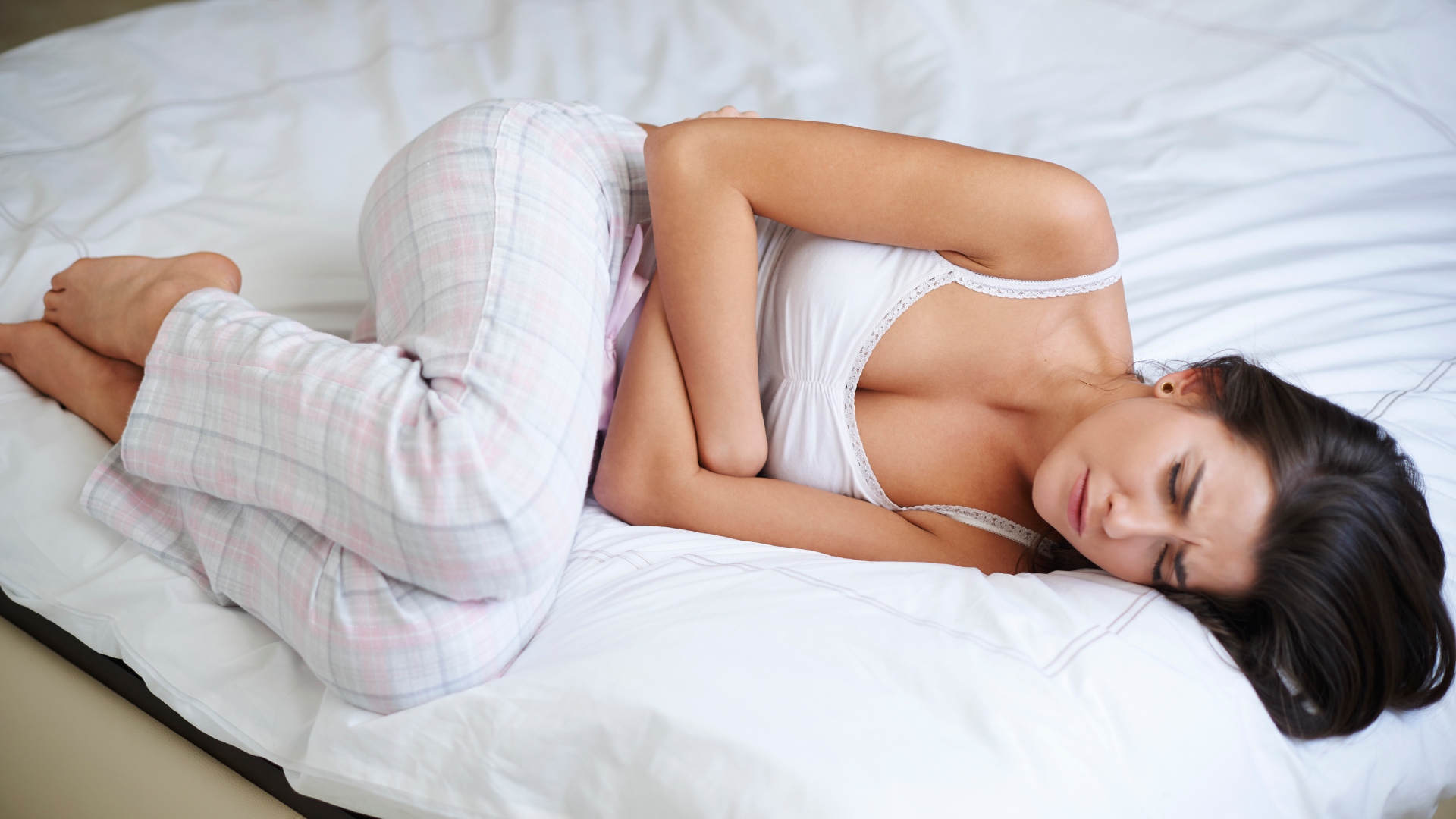
Periods can sometimes be accompanied by a feeling of heaviness or cramps of varying intensity. As the return to routine and daily life resume, a few simple steps can help you get through these days more easily. However, if the pain becomes intense or prevents you from living normally, it should never be considered inevitable.
Heat, your best ally against cramps
This is probably one of the most well-known remedies, and for good reason: heat can truly provide comfort when menstrual cramps strike. A hot water bottle, a warm compress, or a heating pad placed on the lower abdomen can help relax the muscles and soothe the pain.
The idea is obviously not to endure excessive heat: opt for gentle, comfortable warmth , ideally for about twenty minutes, avoiding placing a very hot source directly on your skin. A little pampering ritual that can do wonders for your body, especially when it's craving a little extra care.
Move, even when your couch is calling you
When you have cramps, the urge to stay perfectly still under a blanket can be very strong. However, gentle movement can also help relieve the discomfort. There's no need to embark on an intense workout: a short walk, a few stretches, or a gentle yoga session can be enough.
Physical activity promotes the release of endorphins, often called our body's "natural painkillers." The key is to respect your current energy level. Your body doesn't need to perform: a few gentle movements can already make a difference.
Positions to adopt to ease tensions
Certain postures can also help to relax the abdominal area and lower back.
- The child's pose, well-known to yoga practitioners, involves kneeling before gently bending your torso forward. It helps stretch the back and release tension.
- Another particularly comfortable option: lie on your side and gently bring your knees towards your chest.
- If you prefer to stay on your back, placing a cushion under your knees can also help relieve the lumbar region.
Again, no position is universally correct. The best approach? Listen to your body and choose the one in which you feel most comfortable, without trying to contort yourself.
A gentle self-massage
Taking a few minutes to gently massage your lower abdomen can also provide a feeling of calm. Using your fingertips, make small, clockwise circular motions. You can use a neutral vegetable oil to make the experience more pleasant.
There's no need to press hard: the goal is to relax the area, not to put more strain on it. This moment can also become a true wellness break, a way to gently reconnect with your body rather than fighting against it.
Hydration and rest: the small steps that count
We sometimes underestimate the impact of our daily habits on our comfort. Drinking enough water, in particular, can contribute to the proper functioning of the body and limit the discomfort associated with muscle cramps.
Sleep also plays an important role. When fatigue accumulates, pain can be felt more intensely. If your schedule allows, give yourself more rest during this time. And above all, don't feel guilty if you need to slow down. Your energy levels can fluctuate throughout your cycle, and taking care of yourself doesn't mean doing nothing.
Moderate cramps or intense pain: a key difference
Not all period pain should be lumped together. A feeling of heaviness in the lower abdomen or moderate cramps that improve with rest, a hot water bottle, or a pain reliever are common. This is generally referred to as primary dysmenorrhea, meaning menstrual pain without an identified underlying gynecological condition.
However, severe menstrual pain is not "normal" and should not be dismissed. If your period regularly prevents you from going to school or work, from carrying out your usual activities, or from living your daily life as you wish, it is important to talk to a healthcare professional. The same applies if the pain does not improve despite standard treatments or if it gradually worsens over the months.
When menstruation can mask an underlying illness
Severe menstrual pain can sometimes be a sign of a gynecological condition that warrants investigation.
- Among them is endometriosis, a disease in which tissue similar to the lining of the uterus develops outside of it.
- Adenomyosis, which has some similar mechanisms, corresponds to the presence of this tissue inside the uterine muscle.
- Fibroids or polyps, which are generally benign growths in the uterus, can also be associated with pain or heavy bleeding.
If your symptoms are particularly severe, worsen over time, or are accompanied by very heavy periods, a medical or gynecological consultation is recommended. You don't have to minimize your pain or wait until it becomes unbearable to seek help.
The key is to relieve pain, but above all, listen to your body.
A hot water bottle, gentle movement, stretching, rest, or self-massage: these actions can help you better manage menstrual cramps and bring a little comfort to your daily life. However, there's a fundamental difference between occasional discomfort and pain that takes over your entire life. If your period regularly forces you to cancel plans, miss classes or work, or simply puts your life on hold, it's not something you have to endure in silence.
Taking care of your body also means knowing how to listen to it. And when the pain becomes too intense, seeking medical advice can be the first step to better understand what's happening and finding appropriate treatment.