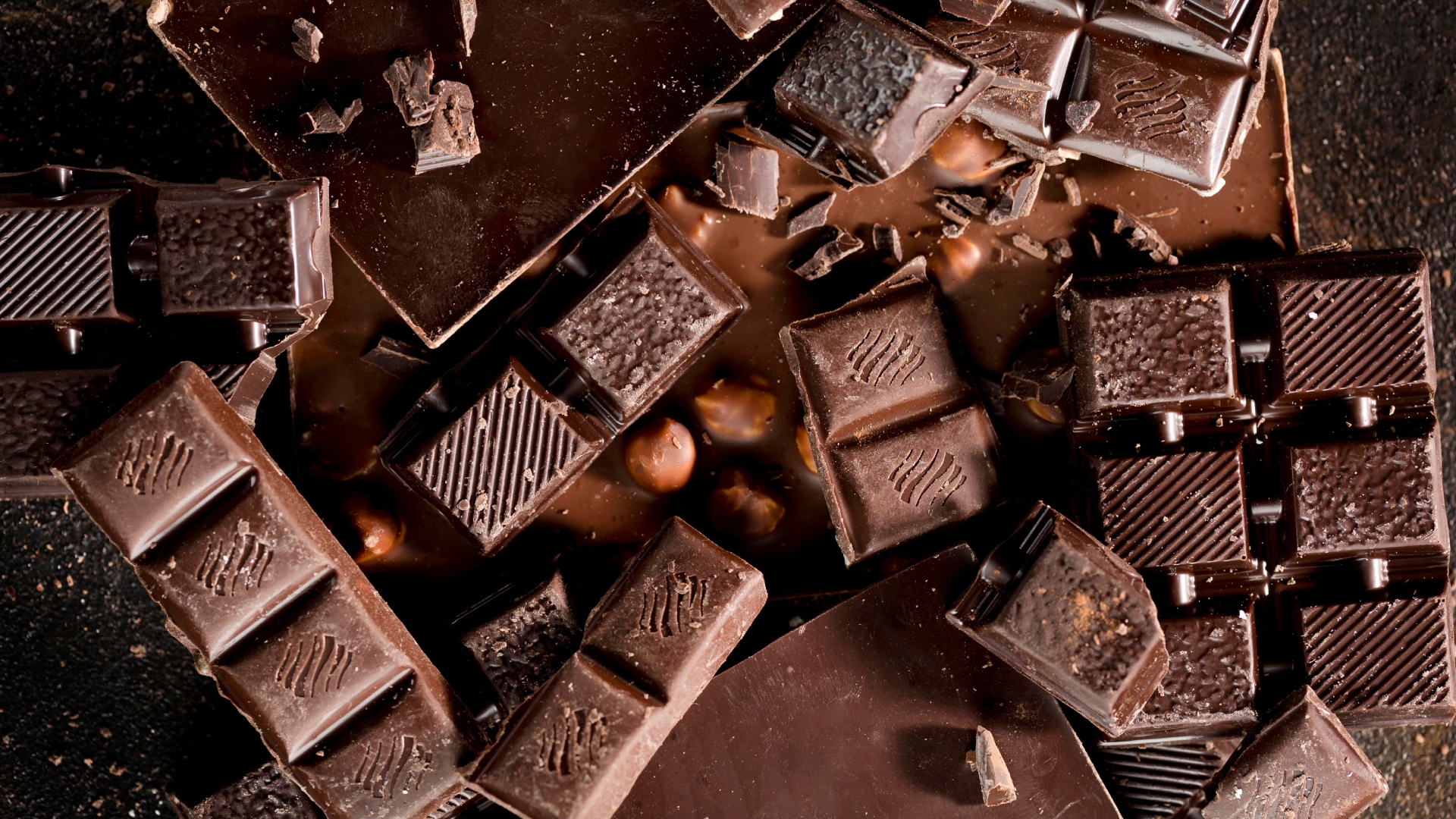
What if your sense of smell could become a helpful ally before a workout? A recent study suggests that smelling dark chocolate before and during exercise could help you complete more repetitions without necessarily feeling like you're exerting yourself more intensely. This surprising discovery highlights the fascinating connection between our senses, our brain, and our body.
When the smell of chocolate makes its way into the workout
The idea may seem surprising: improving athletic performance simply through a delicious scent. Yet, this is the avenue explored by researchers at the University of Malaya in a study published in the scientific journal Frontiers in Physiology .
Scientists have been investigating a relatively unexplored question: the influence of smell on how we experience physical exertion. To this end, they recruited 23 moderately fit men, who were asked to perform leg extension exercises after a fasting period of at least ten hours. Before and during the exercise, the participants were exposed to different odors: a very rich dark chocolate aroma (90%), a milk chocolate aroma (60%), or simply water, which was used as a reference to compare the results.
Dark chocolate may have given it a little boost.
The results surprised the researchers. Those exposed to the scent of dark chocolate performed, on average, more repetitions than those in the control group. The observed difference was approximately 18 additional repetitions compared to participants exposed to water. The scent of milk chocolate also appeared to have a positive effect, with about 9 additional repetitions.
The most interesting point, however, doesn't just concern the number of movements performed. Participants didn't report feeling like they were exerting more effort. In other words, they managed to go a little further while maintaining a similar perception of difficulty. For researchers, this phenomenon is particularly interesting because it shows that our experience of effort doesn't depend solely on our muscles. Our brain also plays a crucial role in how we perceive our abilities.
A story of brains, hunger, and sensations
How can this effect be explained? The study authors propose a hypothesis related to appetite. The smell of dark chocolate may have contributed to reducing the feeling of hunger in participants and reinforcing a sense of satiety. When exercising on an empty stomach, hunger can sometimes become a distraction. By providing the brain with a signal associated with pleasure and reward, the aroma of chocolate could help some people better concentrate on their workout. The researchers even refer to this as a "learned signal": over time, our brain may associate the rich smell of dark chocolate with a pleasant and satisfying sensation, which would influence our perception during exercise.
An interesting discovery, but one that shouldn't be overinterpreted.
While these results are intriguing, they should be interpreted with caution. The study was conducted on a small group of young, moderately fit men. It also involved a specific exercise under particular conditions, including a prolonged fasting period. The researchers themselves describe this work as a preliminary exploration. Further studies will be needed to determine whether these effects apply to a wider range of people, different fitness levels, or other types of physical activity.
Sport is not just about breaking records
This study offers a fresh perspective on the influence of our senses on our relationship with movement. However, it's essential to remember one key point: sport doesn't have to be a constant pursuit of performance. Moving can simply be a way to unwind after a busy day, recharge your batteries, or experience pleasure. Every session counts, whether it results in progress, discovery, or simply a pleasant moment with your body.
Ultimately, while the smell of dark chocolate might become a motivating little ritual for some, it will never replace the pleasure of moving at your own pace. The most important thing is to find an activity that makes you feel good and to celebrate what your body is capable of.