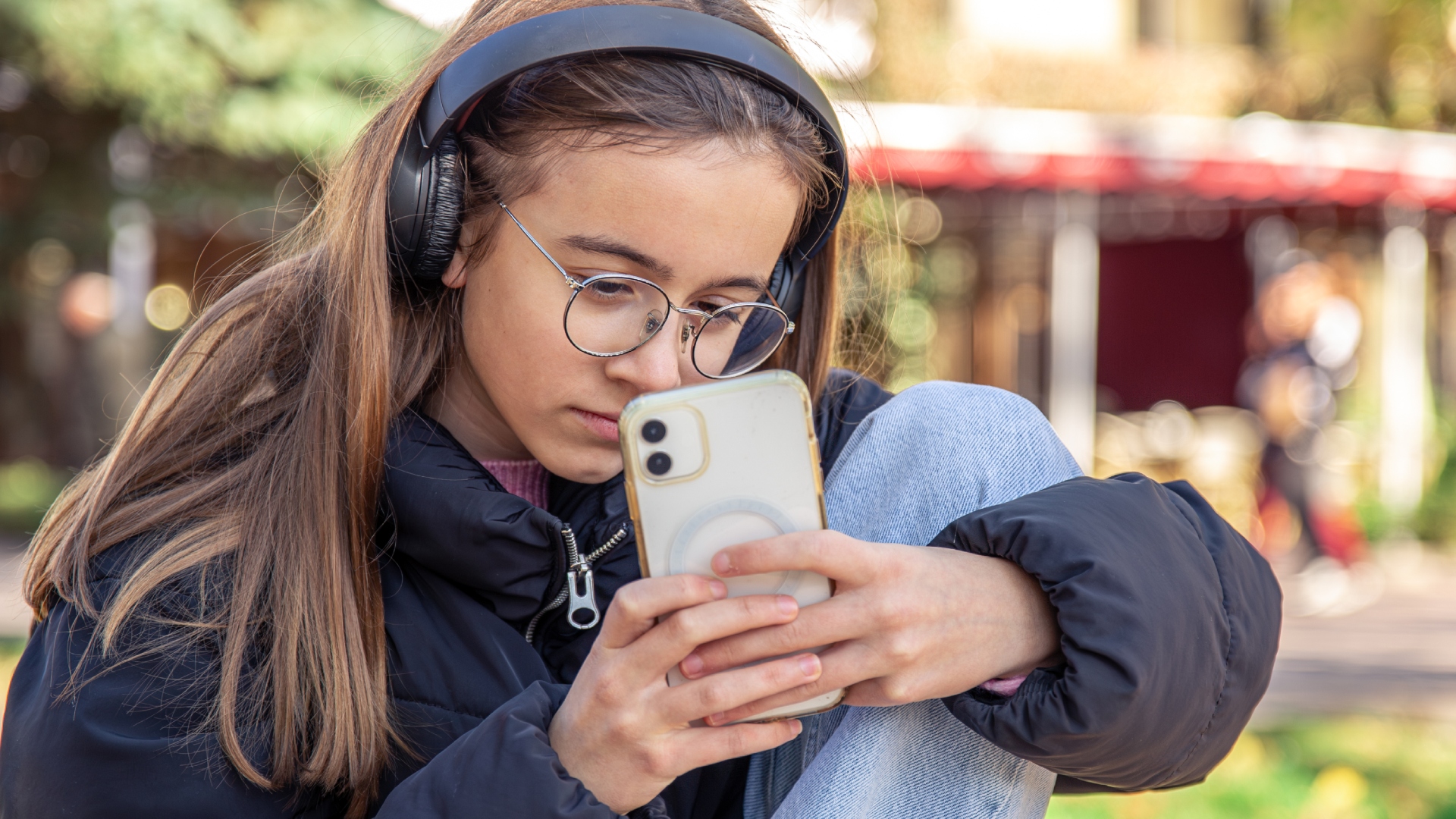
Have social media platforms become too intrusive for young people? This issue is now being addressed by legislation in several countries, including France. Between protecting teenagers, freedom of expression, and the effectiveness of these measures, the debate is far from over.
A trend that is accelerating worldwide
In just a few years, the idea of banning social media for minors has gone from political debate to reality. Australia led the way with a ban for those under 16 by the end of 2025. Turkey and Malaysia followed with their own restrictions, while in Europe, a large majority of member states are working on similar measures.
France has also taken the plunge. On July 21, 2026, the National Assembly and the Senate passed a law prohibiting access to social media for those under 15. Supported by the government and personally championed by Emmanuel Macron, the legislation is scheduled to come into effect on September 1, 2026.
Same idea, very different rules
While many countries want to better protect young people, each applies its own method. Some allow access with parental consent, others set different age limits, or offer adapted versions of platforms for teenagers.
At the European level, a resolution recommends a reference age of 16, with parental authorization possible for children between 13 and 16. The United States, however, follows a different approach: several local laws have been blocked by the courts, which believe they could infringe on freedom of expression. The debate there focuses more on how the platforms function than on the age of the users.
Australia provides a first glimpse
Australia is currently the only country with initial experience to draw on. A study published in June 2026 shows that social media use did indeed decrease among 12- to 15-year-olds after the law came into effect. However, the results are nuanced: nearly nine out of ten teenagers still use at least one platform every week. In other words, the measure limits certain uses without eliminating them.
A protection that also raises questions
Proponents of these laws point to the well-known risks of excessive social media use: anxiety, sleep disorders, cyberbullying, and exposure to inappropriate content. In France, nearly 28% of middle school students report having experienced online violence, and several hundred thousand new cases of depression are linked each year to excessive social media use.
However, there is a great deal of criticism. Some internet users denounce it as an attack on freedom of expression, the right to information, and digital freedoms. Others are concerned about age verification systems, which could force users to provide more personal data. These databases of sensitive information could become prime targets for cybercriminals.
Banning it... or simply shifting the problem?
Another question that often arises is: is a ban truly effective? In Australia, several studies show that 61% of 12- to 15-year-olds still access the platforms that are banned. Around 70% even believe it's easy to circumvent the restrictions, particularly through VPNs that allow them to simulate a connection from another country.
There is also a risk that teenagers will turn to other tools. According to a study by Arcom , 44% of children would consider using conversational artificial intelligence more, which also raises questions about well-being, data protection, and the reliability of information.
Ultimately, the debate is no longer really about the effects of social media on young people, which are well-documented, but about the best way to respond. Because protecting young people without completely cutting them off from the digital world remains a delicate balance to strike.