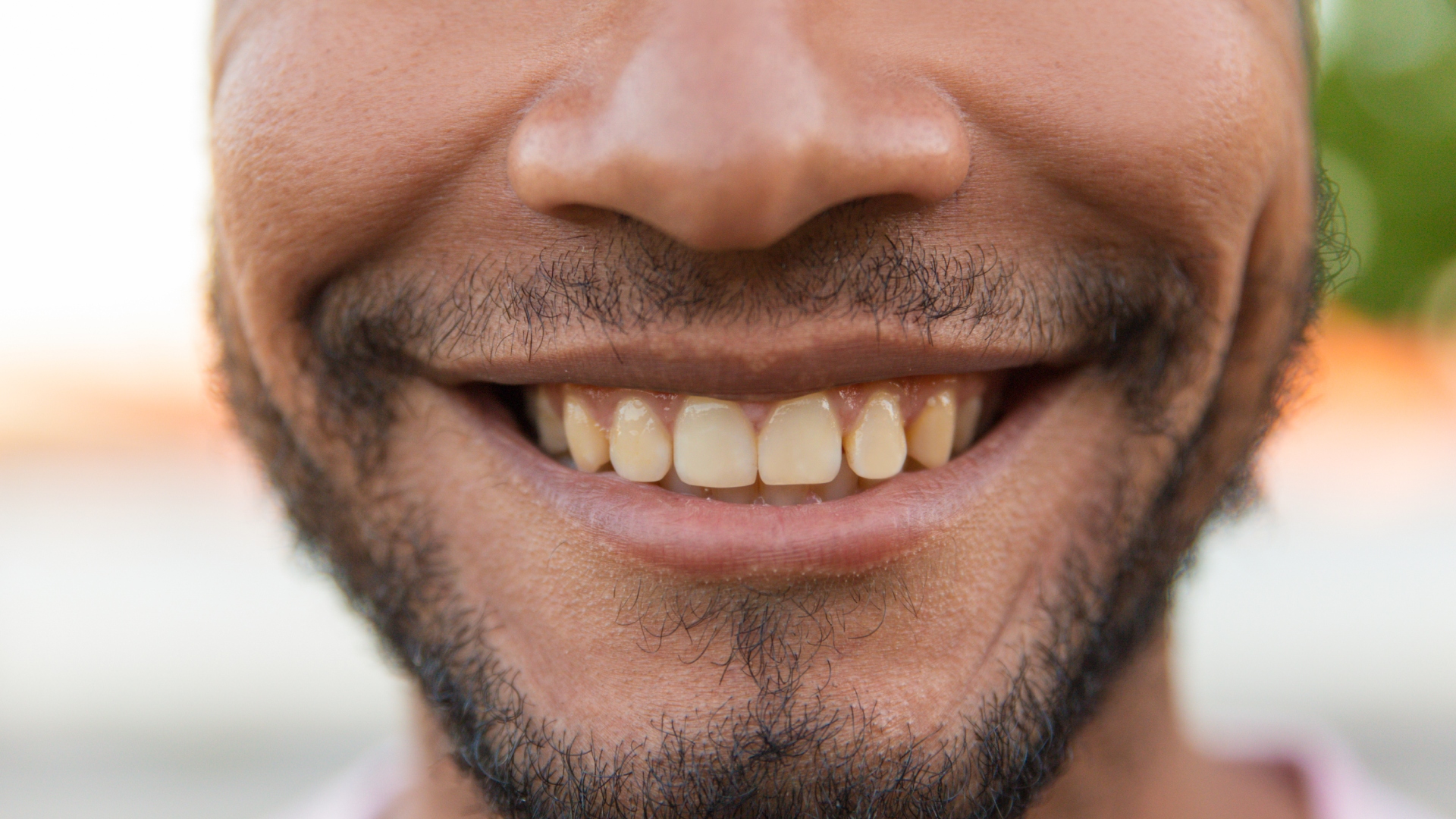
Even with good oral hygiene, certain daily eating habits can influence the color of your teeth. Nothing alarming, but here's some helpful information to better understand what's happening.
Why some foods leave marks on your teeth
Enamel, that thin layer that protects your teeth, is not completely smooth. Over time, it becomes slightly porous, allowing it to absorb certain pigments from food.
Among the main culprits are tannins, compounds found in beverages like coffee and tea. They facilitate the adhesion of pigments to the surface of teeth. Added to this is the acidity of certain foods and drinks, which can temporarily weaken enamel and make teeth more susceptible to staining. As a result, over time, slightly yellower or duller shades may appear, even if you maintain good oral hygiene.
Drinks often singled out
Certain beverages are particularly studied for their impact on tooth color. Coffee and tea, widely consumed daily, contain tannins that promote staining. Red wine, rich in dark pigments, is also frequently mentioned. As for dark sodas, they have two combined effects: their intense color and their acidity, which can make enamel more vulnerable. This doesn't mean you should avoid them altogether, but rather that their regular consumption can play a role in the natural evolution of your tooth color.
Highly colored foods are also affected
When it comes to foods, those with intense colors are no exception. Tomato sauce, curry, berries, and beets contain powerful pigments that can, over time, leave marks. The good news is that these foods are often nutritionally valuable. So, it's not about avoiding them, but simply being aware of their potential effect on your smile.
Acidity, a subtle but important factor
Acidic foods like citrus fruits or salad dressings can temporarily weaken tooth enamel. In this state, teeth become more susceptible to pigment absorption. A helpful tip: avoid brushing your teeth immediately after consuming something acidic. It's best to wait a while to prevent further weakening.
Other factors come into play
Diet doesn't explain everything. With age, tooth enamel naturally thins, revealing the dentin, a yellower layer underneath. Smoking is also a well-known cause of tooth discoloration. Other factors include genetics, certain medical treatments, and the quality of your oral hygiene. In other words, every smile is unique, and so is its evolution.
Simple steps to preserve the shine
Without aiming for perfection, a few habits can help limit hair coloring:
- Drinking water after a pigmented beverage can help reduce deposits.
- Maintaining a regular brushing routine remains essential.
- Consulting a dentist allows you to obtain advice tailored to your situation.
- Chewing on foods like apples or carrots can help to mechanically clean the surface of the teeth.
Your teeth are already normal.
It's essential to remember: naturally white teeth are practically nonexistent. The dazzling smiles you see in advertisements, TV shows, or on some celebrities are often the result of cosmetic treatments, such as veneers. In reality, teeth have nuances, change over time, and reflect your story. Your mouth is alive, and so are your teeth. An ivory or cream smile is perfectly normal. There's no shame in it, nor is there a single standard to strive for.
Ultimately, the goal isn't to achieve an unrealistic white smile, but to take care of your oral health while respecting your body as it is. Your smile doesn't need to be perfect to be beautiful.